
Journalists face police pledge order in Indian-administered Kashmir
JournalismPakistan.com | Published: 21 January 2026 | JP Global Monitoring
Join our WhatsApp channel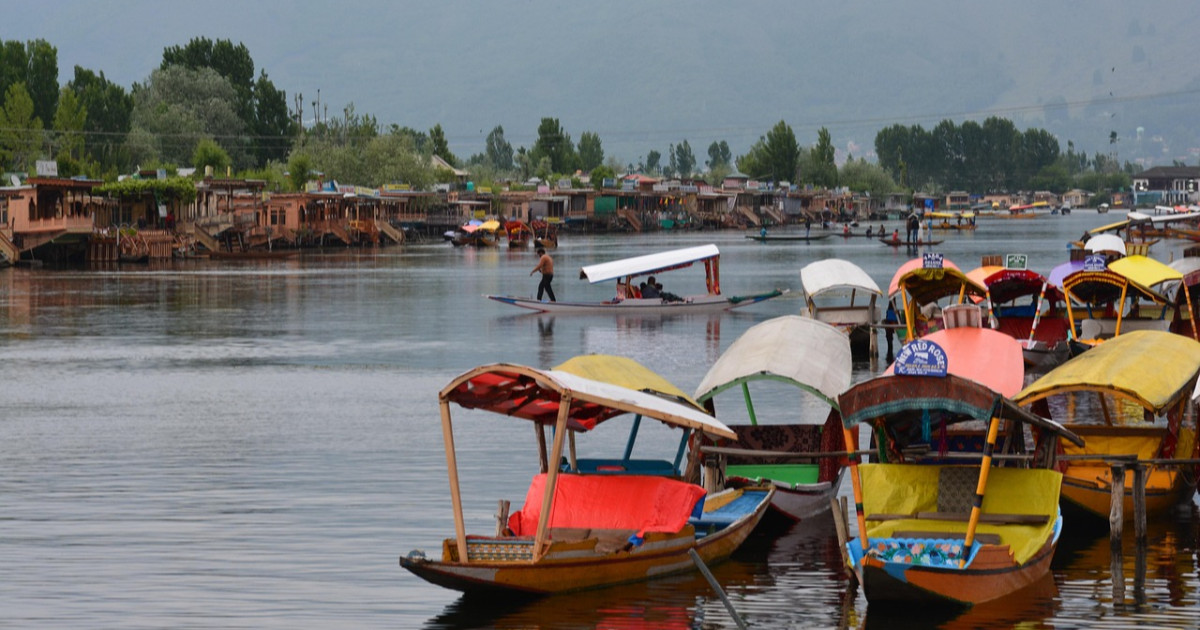
Police in Kashmir summoned at least three journalists and sought signatures pledging not to 'disturb peace' after reporting on mosque funding inquiries. Press Club and media groups called the summonses intimidation that could curb sensitive reporting.Summary
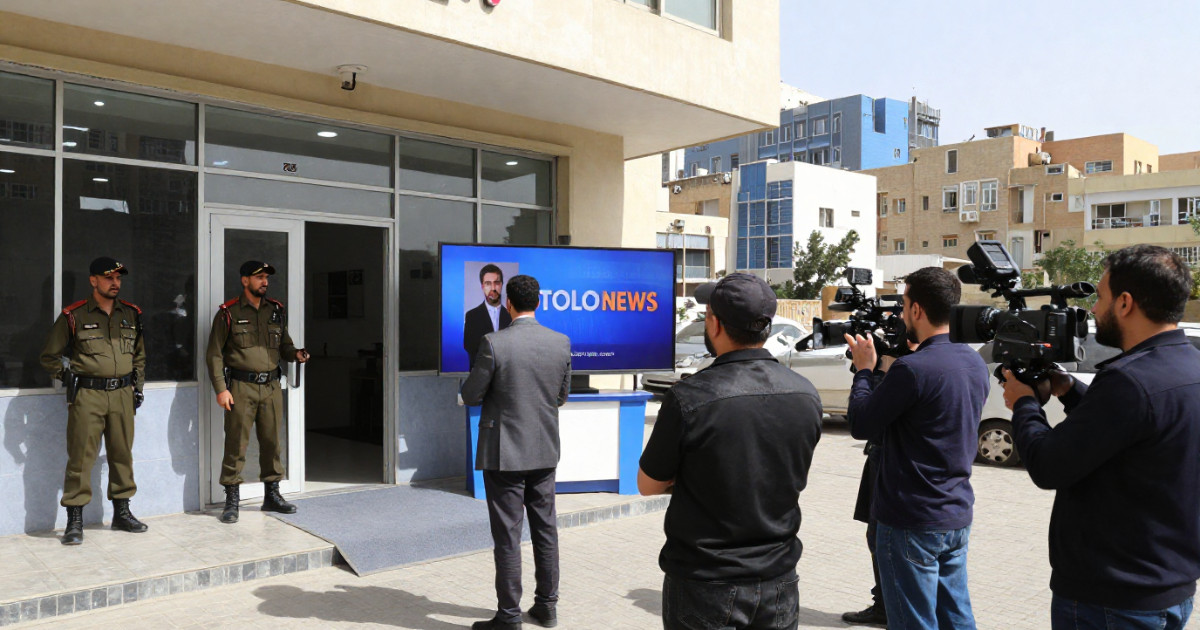
SRINAGAR, India — According to Reuters, police in Indian-administered Kashmir have asked at least three journalists working in the region to sign pledges committing not to “disturb peace,” an action that has drawn sharp criticism from press freedom advocates and media organizations. Two journalists confirmed the request to Reuters, while a third, an assistant editor with The Indian Express, was summoned multiple times but refused to sign the pledge.
The requests for pledges followed reporting on a police inquiry into the funding, management, and budgets of mosques and other religious institutions in the Muslim‑majority territory, according to news reports. Journalists said they were questioned at Srinagar’s Cyber Police Station and in some cases urged to accept conditions that could limit their reporting on sensitive issues.
Police action and press club response
The Indian Express said its journalist was called to the police station on four separate occasions between January 15 and 19 and was asked on January 16 to sign a bond pledging not to disturb peace, which he declined. The newspaper reaffirmed its commitment to protect the rights and dignity of its journalists in a statement.
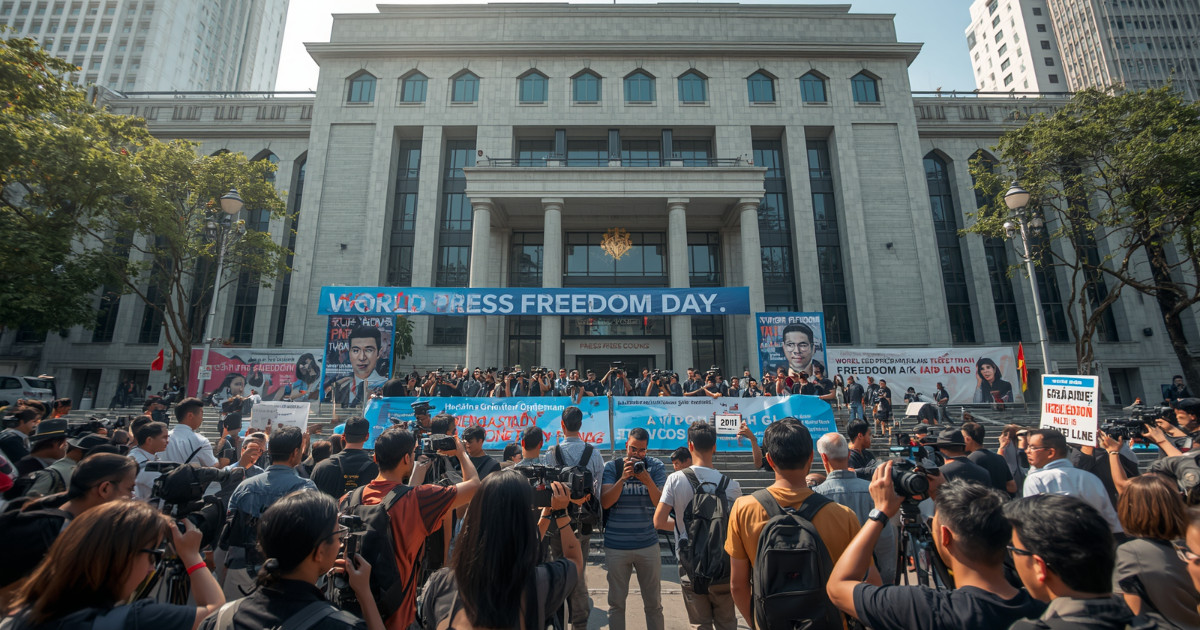
The Press Club of Kashmir, an association of journalists in the region, issued a statement saying that several of its members had been summoned or advised by the police to stop covering stories on the profiling of religious institutions. The club described the use of police powers to summon journalists over their legitimate reporting as part of a broader pattern of intimidation against the media in Jammu and Kashmir.
Wider condemnation and political context
Press freedom groups and local political figures have condemned the police action as an overreach that undermines independent journalism. Leaders from regional political parties, including the People's Democratic Party and the Jammu and Kashmir People’s Conference, said forcing reporters into affidavits or bonds is condemnable and marks an erosion of press freedom.
India revoked the constitutional autonomy of Jammu and Kashmir in 2019 and has since imposed rules governing how the region, long troubled by insurgency and conflict, is covered and reported. Critics say the latest police actions reflect ongoing restrictions on civil liberties and free expression in the territory, which remains a flashpoint between India and Pakistan.
ATTRIBUTION: Reporting by Reuters
PHOTO:By Rohit Singh from Pixabay
Key Points
- Police asked journalists to sign pledges not to "disturb peace" following reporting on mosque funding inquiries.
- Requests reportedly followed a police probe into funding, management and budgets of mosques and religious institutions.
- At least three journalists were summoned; an assistant editor at The Indian Express was called multiple times and refused to sign.
- Some journalists were questioned at Srinagar's Cyber Police Station and urged to accept conditions limiting sensitive coverage.
- The Press Club of Kashmir and media groups condemned the summonses as intimidation that threatens press freedom.
Relevant Topics
Ask AI: Understand this story your way
AI EnabledDig deeper, ask anything — get instant context, background, and clarity.
Disclaimer: This feature is powered by AI and is intended to help readers explore and understand news stories more easily. While we strive for accuracy, AI-generated responses may occasionally be incomplete or reflect limitations in the underlying model. This feature does not represent the editorial views of JournalismPakistan. For our full, verified reporting, please refer to the original article.