.png)
Investigative journalism training, workshops in July
JournalismPakistan.com | Published: 26 April 2015
Join our WhatsApp channel
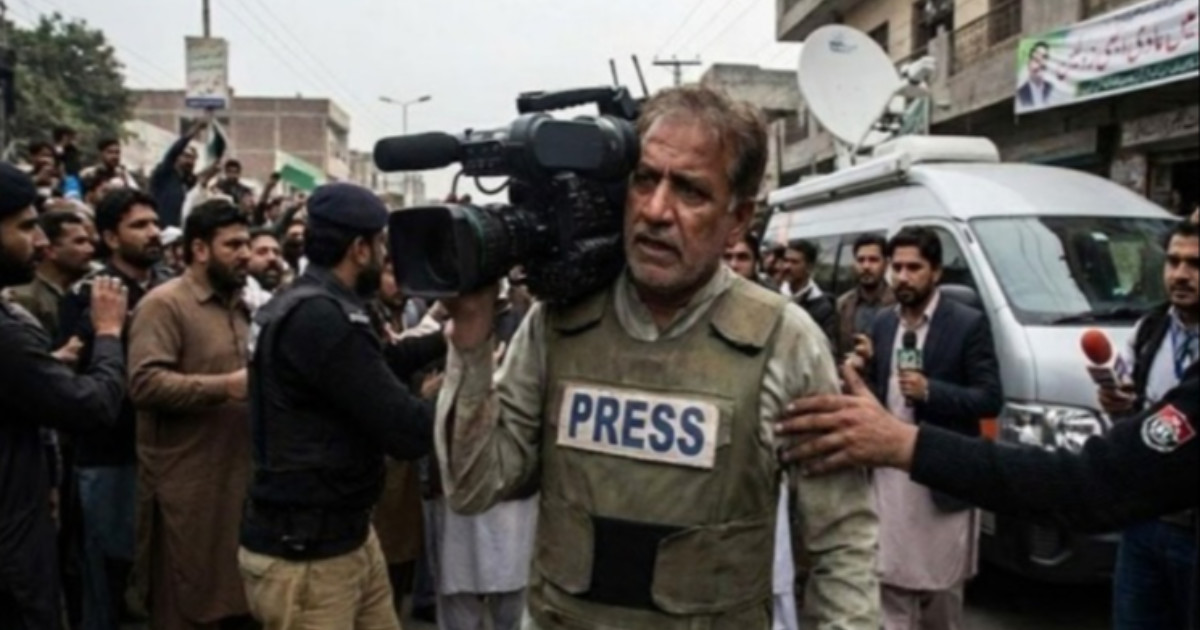
Alfred Friendly Press Partners will host a training on investigative journalism from July 25-30 in Islamabad. It aims to equip journalists with essential skills and techniques for effective reporting.Summary
ISLAMABAD: Alfred Friendly Press Partners in collaboration with the Center for Investigative Reporting in Pakistan is to organize a training on investigative journalism in Islamabad from July 25-30.
AFPP is a non-profit Washington-based organization that annually awards 10 fellowships to journalists from developing countries who spend six months doing on-job training with American newspapers. Instructors from the University of Missouri and Investigative Reporters and Editors (IRE) will teach investigative skills to Pakistani journalists in partnership with local trainers.
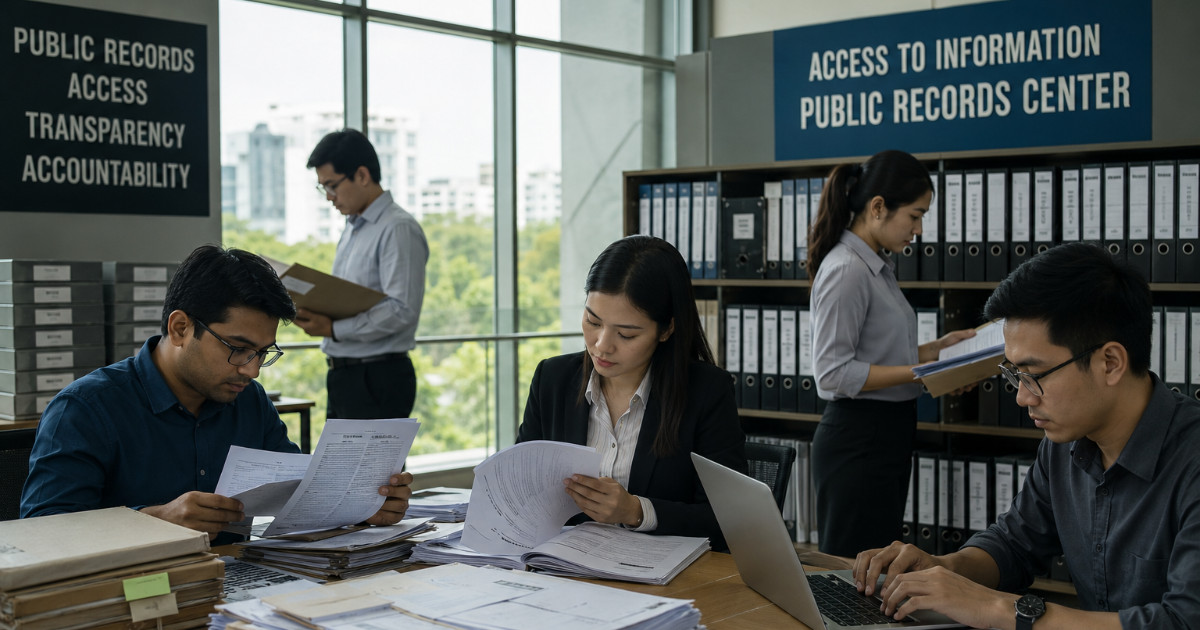
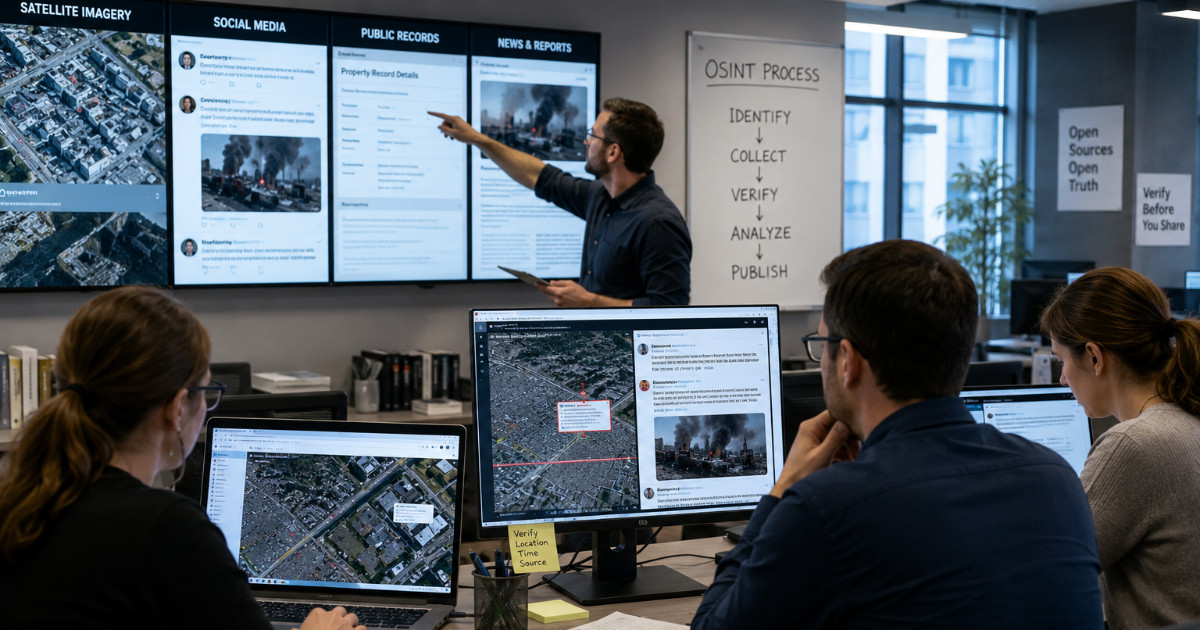
The topics include effective reporting, using legal tools for accessing information, effective computer assisted reporting, using spreadsheets in reporting, data analysis, data visualization, using anonymous sources, finding and protecting sources, using email encryption, taking advantage of social media, analyzing annual reports and using Pakistan’s Right to Information Law.
Most of the training will be hands-on, with exercises, and investigative reporters will present compelling case studies.
“Space is limited to 30 participants, and there will be no cost to participants. Meals will be provided during the session periods and accommodation provided for participants coming from outside Islamabad,” says an announcement by the organizers.
Deadline for the application is June 7, 2015. Individuals can send applications and questions to David Reed, Program Director, AFPP [email protected].
Key Points
- Training runs from July 25-30 in Islamabad.
- Open to 30 participants at no cost.
- Focus on hands-on exercises and case studies.
- Application deadline is June 7, 2015.
- Accommodation and meals provided for out-of-town participants.
Relevant Topics
Ask AI: Understand this story your way
AI EnabledDig deeper, ask anything — get instant context, background, and clarity.
Disclaimer: This feature is powered by AI and is intended to help readers explore and understand news stories more easily. While we strive for accuracy, AI-generated responses may occasionally be incomplete or reflect limitations in the underlying model. This feature does not represent the editorial views of JournalismPakistan. For our full, verified reporting, please refer to the original article.