

India's top court orders safeguards after Delhi detentions
JournalismPakistan.com | Published: 11 October 2026 | JP Asia Desk
Join our WhatsApp channel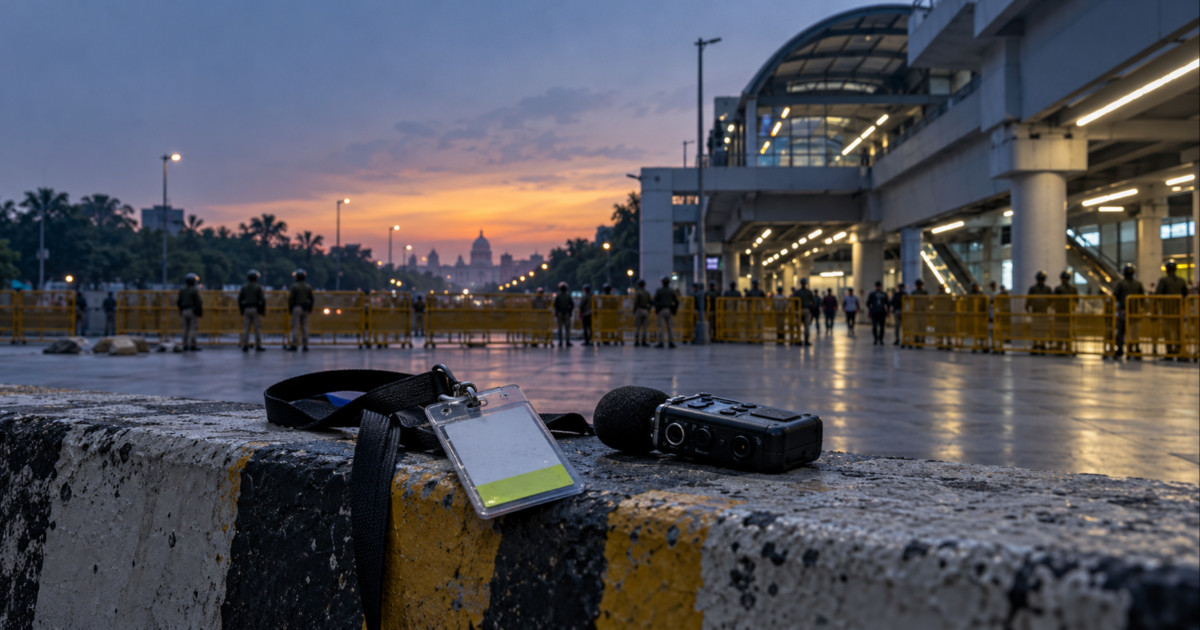
India's Supreme Court ordered officials to keep Delhi Metro and rail running, keep internet and movement open, limit detentions to legal process and let professionals work. It ordered review of barricades, removal of the prohibitory notice and a report by Oct 13.Summary
NEW DELHI — India’s Supreme Court on Sunday directed authorities to keep Delhi’s Metro and railway services operating normally, ensure internet access remains uninterrupted, and allow people to move freely, subject to law and order and traffic requirements. It also said peaceful, unarmed people must not be detained except through procedures established by law, and that journalists, lawyers and other professionals must be able to do their work without obstruction.
The two-judge bench, comprising Justices Joymalya Bagchi and V Mohana, ordered officials to review road barricades and remove a notice imposing prohibitory restrictions around the Supreme Court complex. It issued notices over allegations that authorities had failed to comply with an earlier order and directed them to submit responses and a compliance report by October 13.
Court orders follow protest curbs
The hearing followed protests in Delhi against Chief Election Commissioner Gyanesh Kumar and alleged irregularities in the revision of electoral rolls. On October 9, the court had directed authorities to reconsider restrictions on Metro stations and regulate public transport rather than impose an outright ban. A contempt petition later alleged that transport restrictions and detentions continued despite that order.
The Supreme Court’s directions came amid reports of large-scale detentions during the protests. Reuters reported that police detained 2,400 people on Saturday, most of whom were released that night, and that hundreds more were detained during protests on Sunday. Metro stations had reopened, and mobile internet services had been restored by Sunday, Reuters reported.
Journalists detained after court directions
On Sunday, Delhi Police detained three Indian Express Hindi journalists reporting on the protests. The journalists displayed their press cards but were taken from Connaught Place to Chhatrasal Stadium, about 12 kilometres away, and released after roughly 45 minutes. The Indian Express said police did not cite a specific legal provision or reason for detaining them.
Reuters also reported that police detained several journalists covering the protests, including reporters carrying microphones and visibly displaying press cards. It said a Reuters journalist and lawyers had also been briefly detained on Saturday. A Delhi Police spokesperson did not respond at a media briefing to questions about the reported detentions and alleged assaults.
The reported detention of the three Indian Express journalists on the same day as the Supreme Court hearing highlights the gap between the protections stated in court and events reported on the ground. The authorities’ compliance report, due October 13, is expected to address the court’s directions and the allegations of non-compliance.
ATTRIBUTION: Based on the Supreme Court’s directions as reported by The New Indian Express (October 11, 2026), and reporting by Reuters and The Indian Express (October 11, 2026).
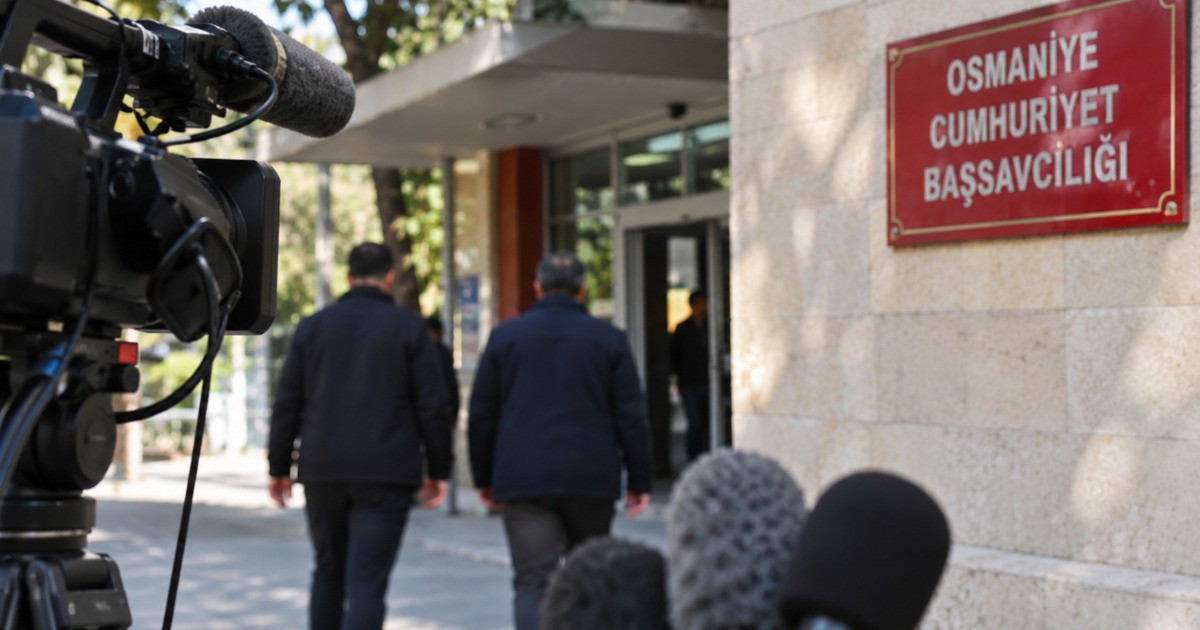
PHOTO: AI-generated; for illustrative purposes only.
Key Points
- Bench ordered Metro and rail services in Delhi to operate normally.
- Authorities instructed to ensure internet access and allow free movement.
- Peaceful, unarmed people should not be detained except through lawful process.
- Journalists, lawyers and other professionals must be allowed to carry out work unhindered.
- Court asked officials to review barricades, remove a prohibitory notice and file a compliance report by Oct 13.
Key Questions & Answers
What did the Supreme Court order regarding transport?
The court directed that Delhi's Metro and rail services should be kept running and public transport regulated rather than banned outright.
Did the court address internet access?
Yes, the court instructed authorities to ensure internet access remains uninterrupted so communication is not hindered.
What did the court say about detentions?
The court ruled that peaceful, unarmed people must not be detained except through procedures established by law and limited to lawful cases.
Were any actions ordered about barricades and notices?
The bench directed officials to review road barricades, remove a prohibitory notice around the Supreme Court complex and submit a compliance report by Oct 13.
Relevant Topics
Ask AI: Understand this story your way
AI EnabledDig deeper, ask anything — get instant context, background, and clarity.
Disclaimer: This feature is powered by AI and is intended to help readers explore and understand news stories more easily. While we strive for accuracy, AI-generated responses may occasionally be incomplete or reflect limitations in the underlying model. This feature does not represent the editorial views of JournalismPakistan. For our full, verified reporting, please refer to the original article.