
Why governments are tightening control over online platforms
JournalismPakistan.com | Published: 9 February 2026 | JournalismPakistan Staff
Join our WhatsApp channel
Governments are expanding laws, technical controls and platform rules to regulate social networks and messaging services, citing security, child protection and misinformation. These moves, used also to suppress dissent, are eroding internet freedom worldwide.Summary
ISLAMABAD, Pakistan — Governments around the world are increasingly tightening their control over online platforms and digital spaces, driven by concerns over national security, misinformation, youth safety, cybercrime, and political dissent. Authorities in countries ranging from Nepal and Iran to Russia and across Europe are deploying a mix of new laws, technical controls, content restrictions, and identity verification requirements to regulate online speech, monitor content, and exert authority over social networks and messaging services.
In some authoritarian systems, these controls are part of broader strategies of digital authoritarianism, where surveillance and censorship tools are integrated into governance to suppress opposition and limit access to information. Even in established democracies, legislation such as age‑verification laws and online safety acts is expanding state oversight of platforms to address perceived harms such as child protection and misinformation.
Global trend of internet regulation
Digital repression and segmented access policies, such as tiered internet access in Iran, illustrate how tightening online controls can create unequal digital environments where only selected users enjoy relatively open access. Governments also employ deep packet inspection, protocol filtering, and platform‑specific bans to enforce compliance and suppress dissent, contributing to a global decline in internet freedom for the 12th consecutive year.
Impacts on platforms and users
This tightening control affects both international tech companies and local online communities, forcing platforms to comply with new legal obligations and face fines, content takedowns, or outright bans. Countries such as Nepal have moved to ban major social media platforms like TikTok entirely to enforce local content standards, while European regulators pursue identity verification measures that critics argue infringe on privacy and anonymity.
WHY THIS MATTERS: For Pakistani journalists and media professionals, understanding global trends in online regulation highlights the balancing act between combating online harms and preserving digital rights. Pakistan’s own moves toward enhanced online surveillance and content control underscore the need for newsroom strategies that protect digital freedoms while navigating evolving legal frameworks.
ATTRIBUTION: Reporting includes information from Freedom House, Time, Reuters, and analysis of global cybersecurity and internet freedom trends.
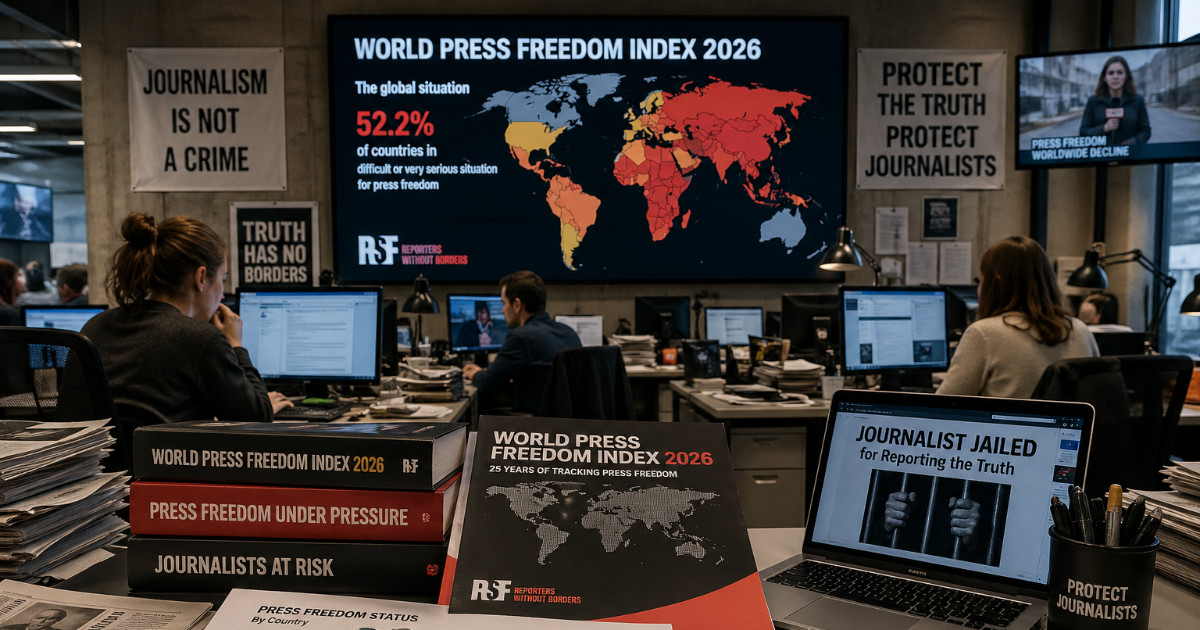
PHOTO: AI-generated; for illustrative purposes only.
Key Points
- Governments deploy laws, technical measures and platform rules to monitor and regulate online speech.
- Measures include age verification, content takedowns, platform bans, deep packet inspection and protocol filtering.
- Digital authoritarianism and tiered access policies create unequal digital environments and restrict dissent.
- International tech companies and local platforms face increased compliance demands and operational constraints.
- The trend is contributing to a continued global decline in internet freedom and affects user access and safety.
Relevant Topics
Ask AI: Understand this story your way
AI EnabledDig deeper, ask anything — get instant context, background, and clarity.
Disclaimer: This feature is powered by AI and is intended to help readers explore and understand news stories more easily. While we strive for accuracy, AI-generated responses may occasionally be incomplete or reflect limitations in the underlying model. This feature does not represent the editorial views of JournalismPakistan. For our full, verified reporting, please refer to the original article.