
What editorial independence means and why it matters
JournalismPakistan.com | Published: 15 February 2026 | JP Special Report
Join our WhatsApp channel
Editorial independence means newsroom leaders decide coverage based on professional standards, free from undue influence by owners, politicians or state actors; it preserves journalistic credibility and the public's access to reliable information.Summary
ISLAMABAD — Editorial independence is the principle that journalists and editors make decisions about news coverage without improper interference from owners, advertisers, political actors, or other outside interests. It is widely regarded as a cornerstone of credible journalism because it safeguards the integrity of reporting and protects the public’s right to reliable information.
In practical terms, editorial independence means newsroom leaders determine what stories to cover, how to frame them, and which facts to prioritize based on professional standards rather than external pressure. International press freedom organizations such as Reporters Without Borders and the Committee to Protect Journalists regularly cite interference in editorial decision-making as a key indicator of declining media freedom worldwide.
Editorial independence versus ownership influence
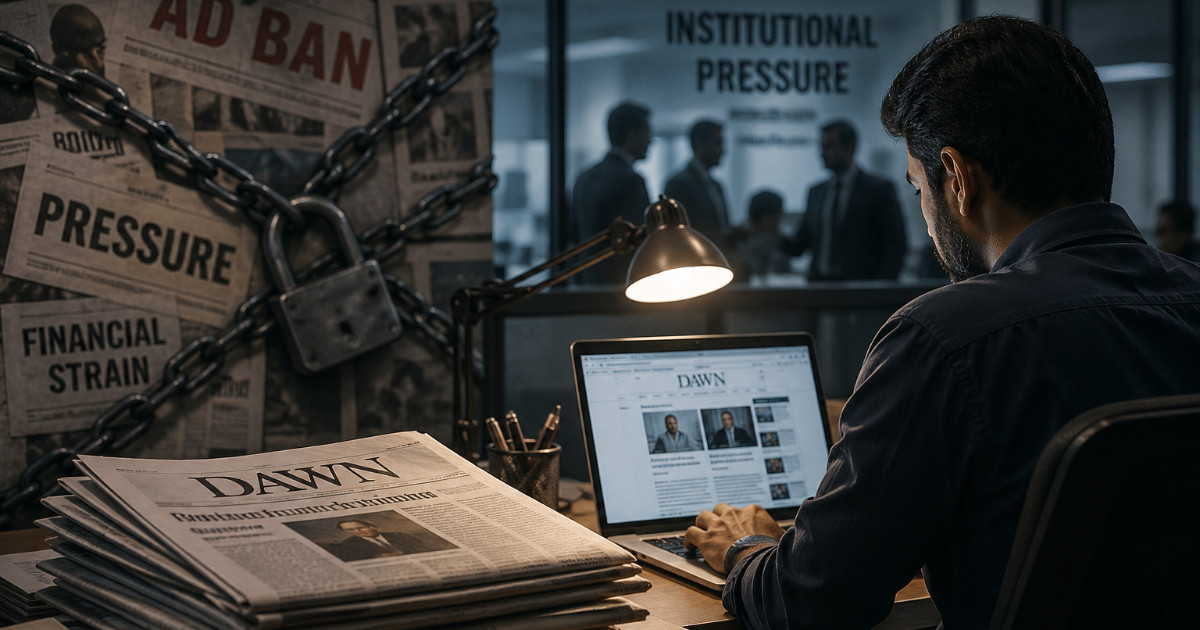
Ownership structures can significantly shape how independent a newsroom can be. In privately owned media organizations, proprietors may attempt to influence coverage that affects their business or political interests. In state-funded outlets, government control over budgets or appointments can create pressure on editors to align with official narratives.
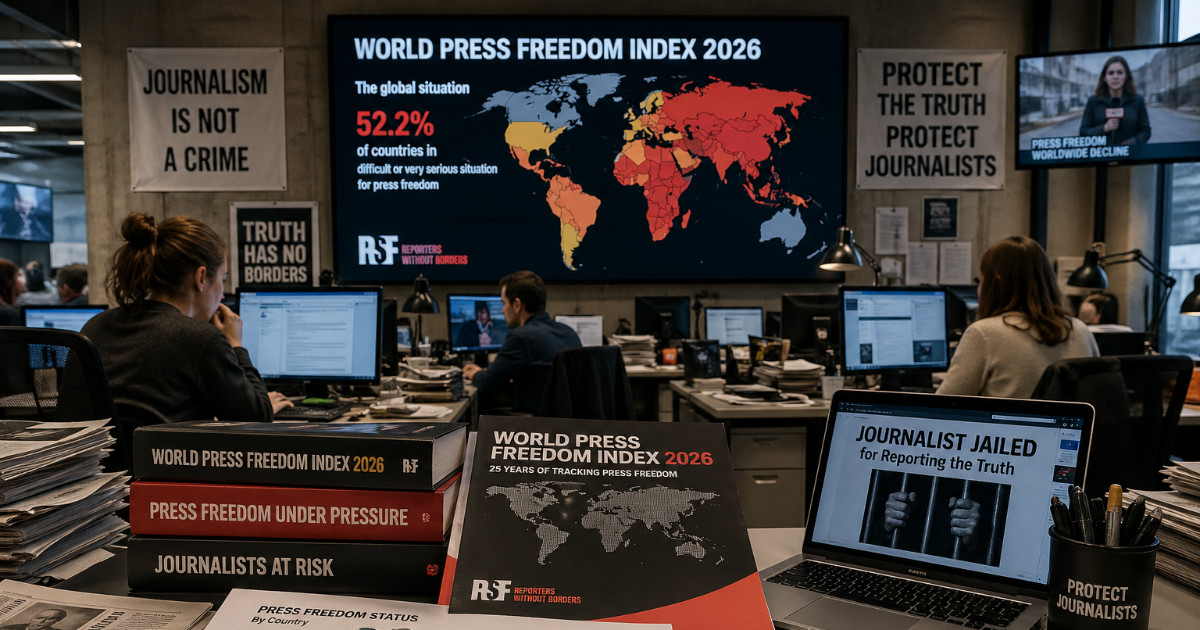
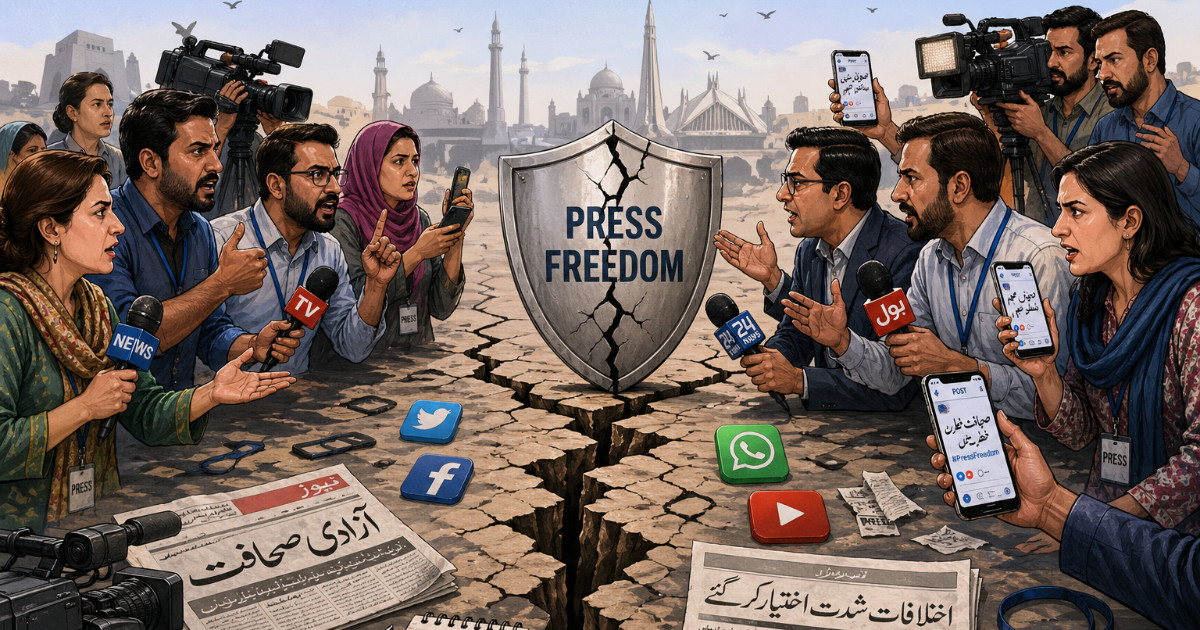
In Pakistan, debates about editorial independence often surface during election cycles or major political transitions. Media watchdogs and journalist unions have raised concerns in recent years about alleged pressure on broadcasters and newspapers regarding coverage of sensitive political developments, though specific cases vary and require case-by-case verification. Pakistan’s ranking in the annual World Press Freedom Index published by Reporters Without Borders has frequently cited political and economic pressure on media as structural challenges.
Internationally, controversies surrounding publicly funded broadcasters such as the BBC have sparked debates about the balance between government funding and editorial autonomy. The BBC’s Royal Charter formally guarantees editorial independence, yet disputes periodically arise over coverage of politically sensitive issues, illustrating the ongoing tension between governance structures and newsroom autonomy.
How editorial independence is protected
Many news organizations codify editorial independence through written charters, ethics codes, and firewalls between editorial and commercial departments. The Society of Professional Journalists’ Code of Ethics in the United States, for example, emphasizes acting independently and avoiding conflicts of interest.
Public broadcasters often rely on legal frameworks. In the United Kingdom, the BBC operates under a Royal Charter that outlines its mission and independence from government. In contrast, in countries where state media lack such safeguards, editorial lines may shift in tandem with political leadership changes.
In Pakistan, private media outlets are regulated by the Pakistan Electronic Media Regulatory Authority, which oversees licensing and content compliance for broadcast media. While PEMRA’s mandate focuses on regulation rather than editorial control, media stakeholders have argued that licensing powers and content advisories can indirectly influence newsroom decisions. These dynamics have been documented in public statements and court proceedings reported by Pakistani news outlets.
Why it matters in the digital age
The rise of digital platforms has complicated the concept of editorial independence. Algorithms on platforms owned by companies such as Meta Platforms and Google can shape which news stories reach audiences, indirectly affecting newsroom priorities. Economic pressures driven by digital advertising models have also increased reliance on sponsored content, raising fresh concerns about blurred lines between editorial and commercial material.
Globally, independent newsrooms argue that maintaining editorial control is essential to counter misinformation and political polarization. Without independence, public trust erodes, and journalism risks becoming a tool of partisan or commercial agendas rather than a public service.
WHY THIS MATTERS: For Pakistani journalists and media managers, editorial independence directly affects credibility, newsroom morale, and audience trust. Understanding the structural pressures that influence editorial decisions can help newsrooms strengthen internal safeguards and advocate for transparent governance models. As digital disruption and political polarization intensify, protecting editorial autonomy is increasingly tied to long-term sustainability and professional integrity.
ATTRIBUTION: This explainer draws on publicly available documentation and reports from Reporters Without Borders, the Committee to Protect Journalists, the BBC Royal Charter, public statements by the Pakistan Electronic Media Regulatory Authority, and corporate disclosures from Meta Platforms and Google.
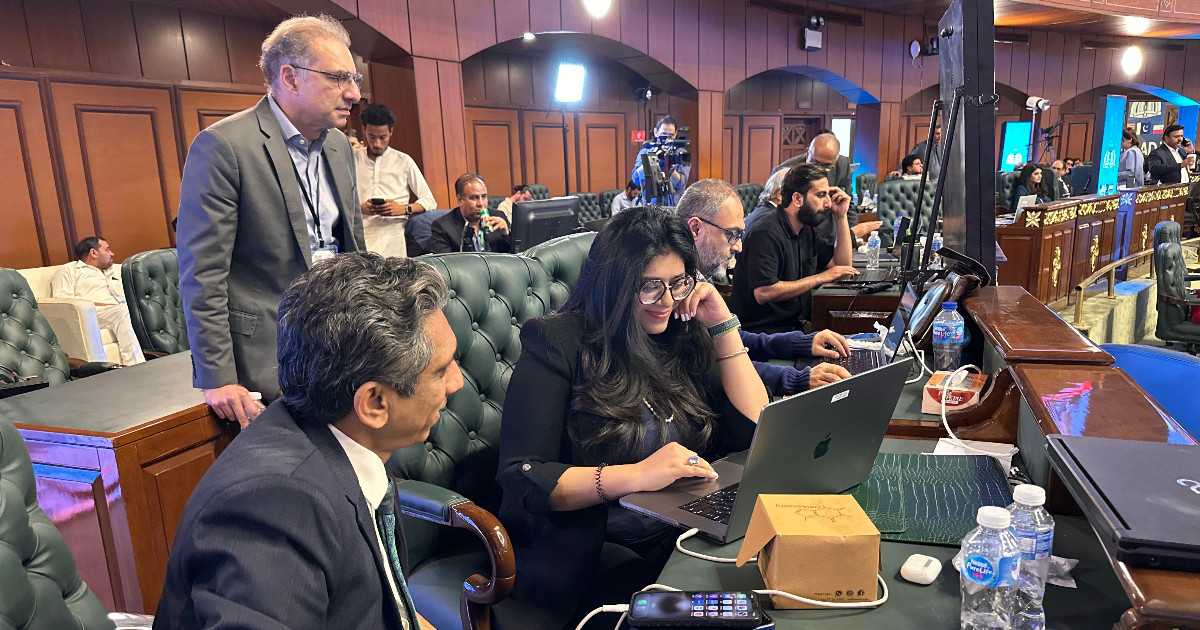
PHOTO: AI-generated; for illustrative purposes only.
Key Points
- Editorial independence: newsroom decisions made free of improper outside influence.
- Practically means editors choose stories, framing, and facts based on professional standards.
- Threats include owner, advertiser, political, or state pressure affecting coverage.
- In Pakistan, concerns often surface during elections and political transitions, with watchdogs noting interference.
- It upholds journalistic credibility and the public's right to reliable information.
Relevant Topics
Ask AI: Understand this story your way
AI EnabledDig deeper, ask anything — get instant context, background, and clarity.
Disclaimer: This feature is powered by AI and is intended to help readers explore and understand news stories more easily. While we strive for accuracy, AI-generated responses may occasionally be incomplete or reflect limitations in the underlying model. This feature does not represent the editorial views of JournalismPakistan. For our full, verified reporting, please refer to the original article.