
Fear in the newsroom: How it shapes editorial decisions
JournalismPakistan.com | Published: 10 February 2026 | JP Special Report
Join our WhatsApp channel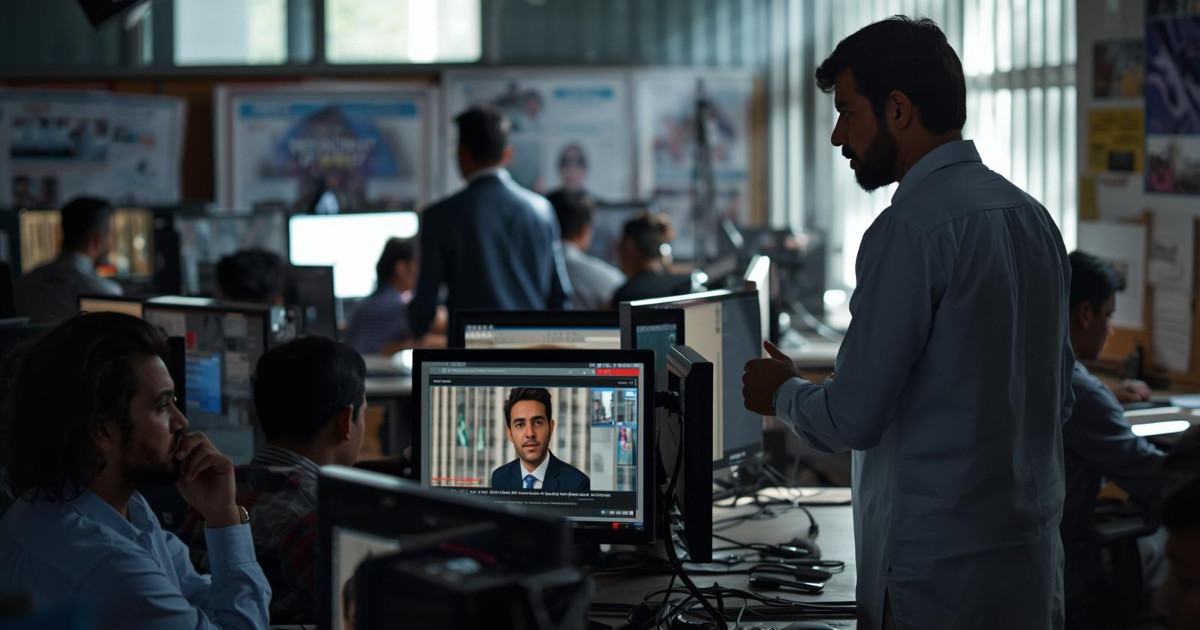
Fear of legal action, regulatory scrutiny, lost advertising and political backlash prompts Pakistani editors to alter, delay or drop investigative stories. This anticipatory self-restraint reduces the scope of public reporting.Summary
ISLAMABAD — The chilling effect in journalism occurs when fear of legal, financial, or political consequences subtly alters editorial decisions before stories reach the public. Unlike direct censorship, it operates invisibly, shaping what editors choose to publish or withhold. In Pakistan, newsrooms face overlapping pressures from regulators, advertisers, and political actors, making this phenomenon particularly relevant.
Newsroom leaders describe the chilling effect as anticipatory risk management. Editors may delay investigative stories, soften headlines, or avoid naming influential figures, not because of formal bans but due to perceived consequences. These decisions often stem from a combination of legal exposure, financial vulnerability, and political sensitivity.
Legal and regulatory pressures
Pakistan’s media framework includes laws on defamation, cybercrime, and the regulation of electronic media. Outlets have faced fines, license warnings, and legal notices from authorities such as the Pakistan Electronic Media Regulatory Authority. While enforcement is officially based on compliance, the broader effect is a culture of caution that extends across many newsrooms.
Journalists report that even the potential for lengthy legal proceedings or regulatory scrutiny encourages preemptive self-restraint. Investigative reporting on corruption, governance, or powerful interests may undergo extensive legal review. In some cases, editors choose to delay or drop stories entirely if documentation is not deemed robust enough to withstand scrutiny.
Economic pressures and advertiser influence
Financial instability amplifies the chilling effect. Pakistan’s media industry has seen budget cuts and reduced government and private advertising revenues in recent years. Editors may weigh the risk of losing advertisers when considering controversial stories, and some outlets prioritize safe, commercially viable content over investigative reporting.
This economic dimension means certain topics may be systematically avoided. Newsrooms often limit coverage of politically sensitive issues, financial scandals, or polarizing social matters to protect revenue streams. Even without overt censorship, financial considerations influence editorial judgement and content priorities.
Digital threats and online harassment
The rise of social media adds another layer of influence. Coordinated online harassment campaigns, especially against women journalists, create personal and professional pressures. Reporters covering political, religious, or social controversies in Pakistan have reported threats and trolling after publishing sensitive stories. Newsrooms may respond by anonymizing bylines, limiting coverage of polarizing issues, or discouraging investigative angles that could provoke backlash.
Impact on investigative journalism
Investigative projects are most vulnerable to the chilling effect. They require time, resources, and legal protection. Editors under regulatory, economic, and security pressures may impose multiple layers of verification, sometimes beyond standard practice. While rigorous fact-checking is essential, excessive caution can narrow the scope of inquiries, limiting public-interest reporting.
Balancing caution with public responsibility
Media professionals emphasize that responsible journalism requires balancing legal and ethical concerns with public interest. The challenge arises when fear drives decisions more than professional standards. Strengthening legal support, diversifying revenue sources, and implementing newsroom protocols for digital safety are strategies that can reduce the chilling effect.
Ultimately, the chilling effect shapes the stories that never make it to publication, quietly influencing public knowledge. In Pakistan, understanding this dynamic is crucial for assessing the resilience of the media sector and editorial independence.
WHY THIS MATTERS: For Pakistani journalists and media organizations, the chilling effect highlights how systemic pressures can subtly influence editorial decisions. Recognizing its impact helps newsrooms implement safeguards, strengthen legal support, and develop policies that protect investigative reporting and editorial independence.
ATTRIBUTION: Based on publicly available legal documents, regulatory notices, and reporting by media development and press freedom organizations.
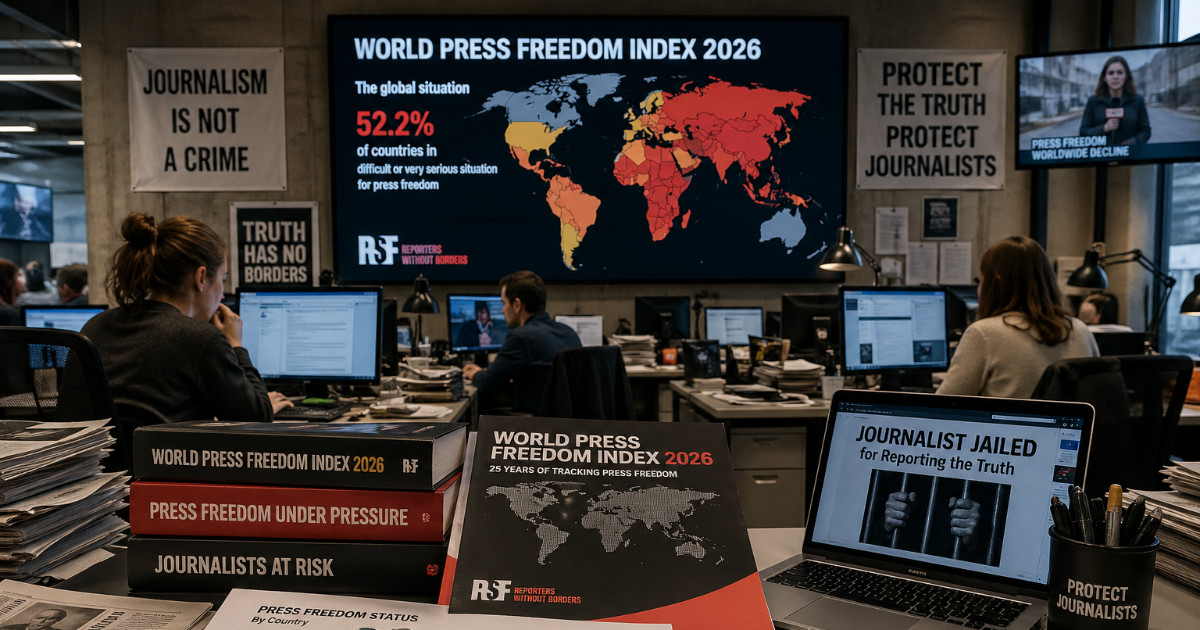
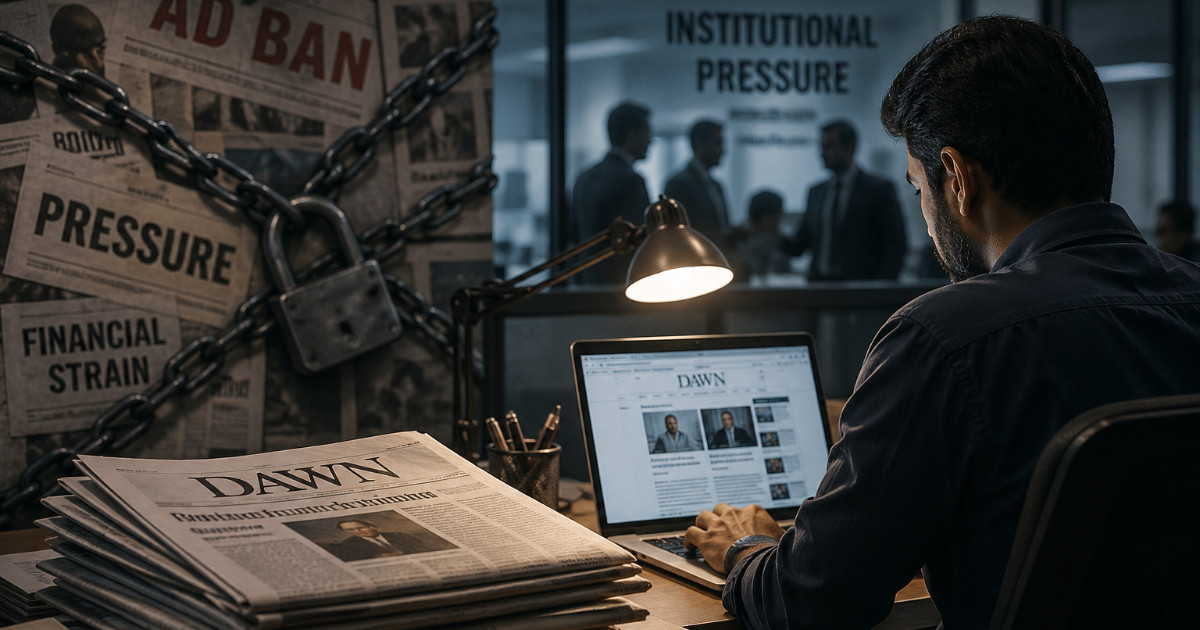
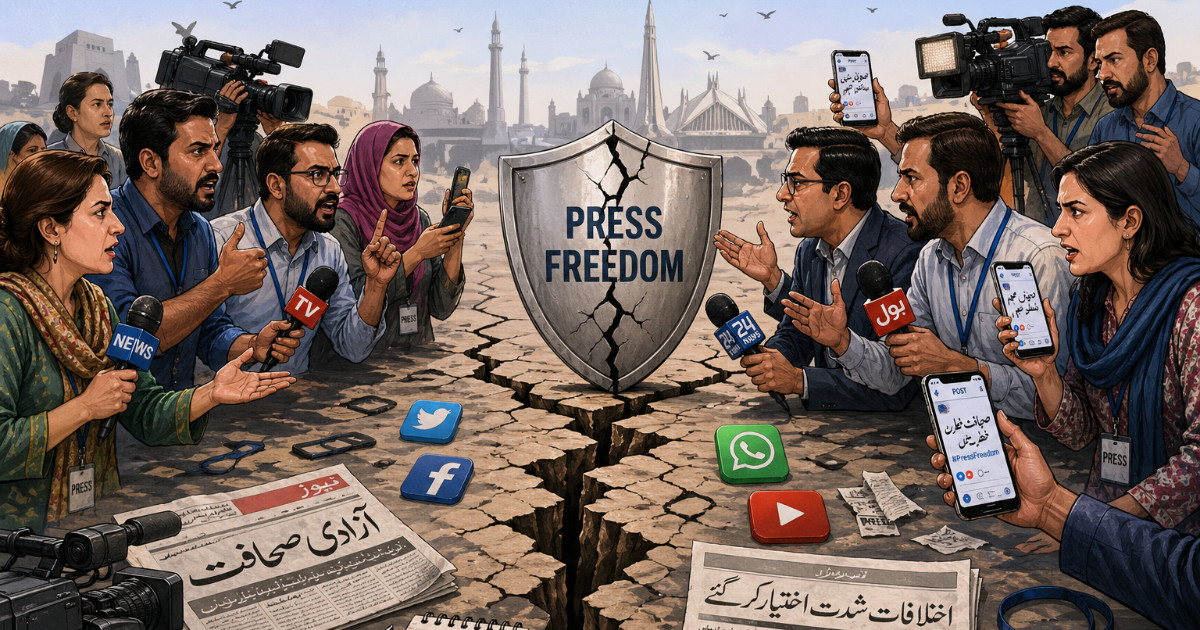
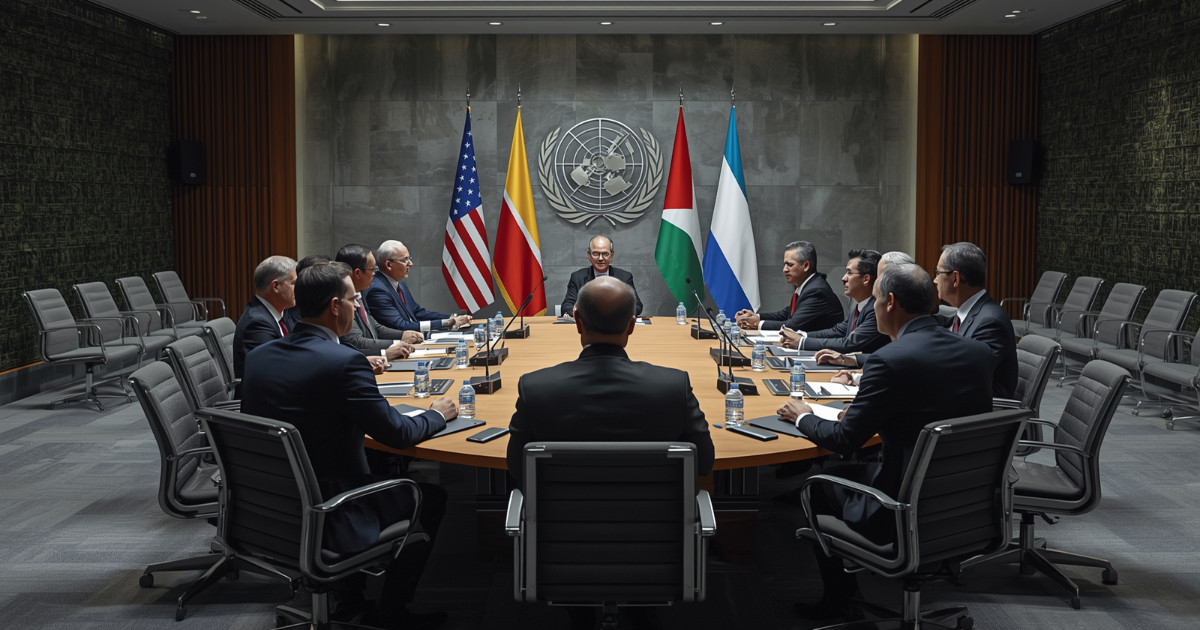
PHOTO: AI-generated; for illustrative purposes only.
Key Points
- The chilling effect alters editorial choices before publication.
- Pressures from regulators, advertisers and political actors overlap in newsrooms.
- Legal risks like defamation, cybercrime rules and PEMRA enforcement drive caution.
- Economic vulnerability leads editors to delay, soften or abandon investigative stories.
- Editors may avoid naming powerful figures or temper headlines to reduce perceived risk.
Relevant Topics
Ask AI: Understand this story your way
AI EnabledDig deeper, ask anything — get instant context, background, and clarity.
Disclaimer: This feature is powered by AI and is intended to help readers explore and understand news stories more easily. While we strive for accuracy, AI-generated responses may occasionally be incomplete or reflect limitations in the underlying model. This feature does not represent the editorial views of JournalismPakistan. For our full, verified reporting, please refer to the original article.