
Aslam Azhar (1932-2015)
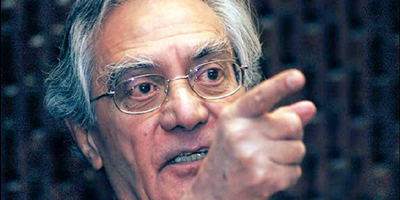
Born on 2 September 1932, Aslam Azhar is remembered as the founding father of Pakistan Television. After earning a law degree from Cambridge University, he chose not to pursue a legal career but instead immersed himself in the world of performing arts.
In 1964, he became the first chairman of Pakistan Television (PTV), where his visionary leadership transformed the medium into a hub of literary and artistic excellence. Under his guidance, a new generation of writers and actors emerged, many of whom went on to become household names. He championed programming that spoke to all age groups and social classes, making television an inclusive and powerful cultural force.
As media veteran Javed Jabbar observed, "He was solely responsible for engendering and sustaining for about four years in KTV an aura of exciting experimentation and innovation, of freedom to venture towards new horizons, of a fraternal, convivial ambiance."
Beyond television, Azhar co-founded the Karachi Arts Theatre Society, which helped ignite a vibrant theatre culture in the city. His lifelong contributions to broadcasting and the arts earned him several honors, including the Tamgha-i-Pakistan (1968), the Nigar Award (1999), and the Sitara-i-Imtiaz (2012).
He was married to Nasreen Azhar, a fellow theatre enthusiast and dedicated social activist. Together, they raised three children, including Arieb Azhar, a renowned musician.
Aslam Azhar passed away on December 29, 2015, leaving behind a legacy that shaped Pakistan’s cultural and broadcasting landscape.

Maleeha Lodhi
Maleeha Lodhi obtained her Ph.D in Politics from the London School of Economics in 1980, having received her B.Sc (Econ) from the same institution in 1976. She taught Politics and Sociology at
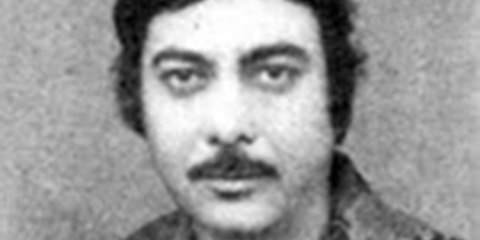
Riaz Batalvi (1937-2003)
Riaz Batalvi, a journalist, became a writer and a dramatist, giving PTV two of its best productions - Aik Haqeeqat, Aik Afsana and Dubai Chalo. Born as Riazul Hasan in February 1937 in Gurdaspur
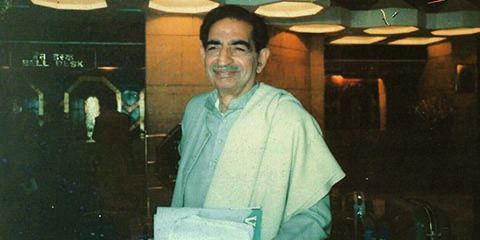
Mazhar Ali Khan (1918-1993)
Mazhar Ali Khan served as the Editor-in-Chief of the newspapers Pakistan Times from 1951 to 1959, Dawn in 1972, and the journal Viewpoint. He graduated from the Punjab University in Lahore in 1939
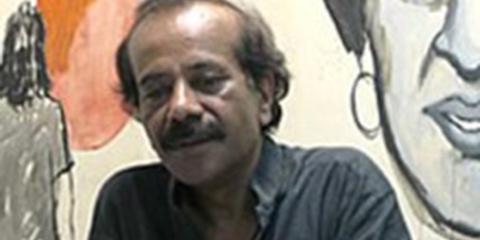
Rafique (Feica)
Born in 1957 in Multan, Feica started his schooling there, but could never take to studies. According to him, he was "only interested in drawing". He credits his father for allowing him to pursue his dream
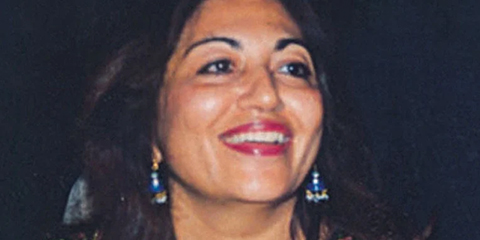
Razia Bhatti (1944-1996)
Razia Bhatti has been described as a crusader, a torch-bearer, and a symbol of courage. In 1996, the Pakistan Press Foundation called her untimely death at the age of 52 an 'end of a golden chapter of journalism in Pakistan.'
Abdullah Malik (1920-2003)
Journalist, writer and political activist, Abdullah Malik wrote in his book Purani Mehfilain Yaad aa Ra'hi Ain: "I can declare with pride that I have spent my entire life wedded to the same commitment

Muhammad Ziauddin (1938-2021)
Muhammad Ziauddin, renowned as a capable and fiercely independent journalist, left a lasting legacy spanning over five decades. Known respectfully as Ziauddin Sahab, he was regarded as one of the last legendary journalists in Pakistan.
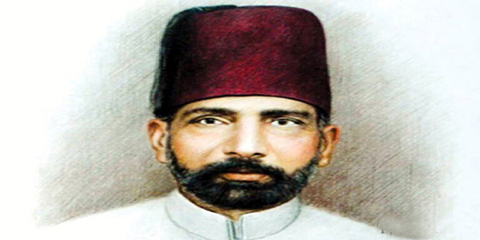
Maulana Zafar Ali Khan (1873-1956)
Writer, journalist and politician, Maulana Zafar Ali Khan belonged to a learned family of Karamabad district, Gujranwala, Punjab. He received his early education in Wazirabad and Patiala.
Newsroom

Pele to Messi: How World Cup finals wrote football's greatest story
June 15, 2026 From Pele to Messi, World Cup finals shaped football's global story, tracing triumphs and heartbreaks and showing how the game became a shared language.
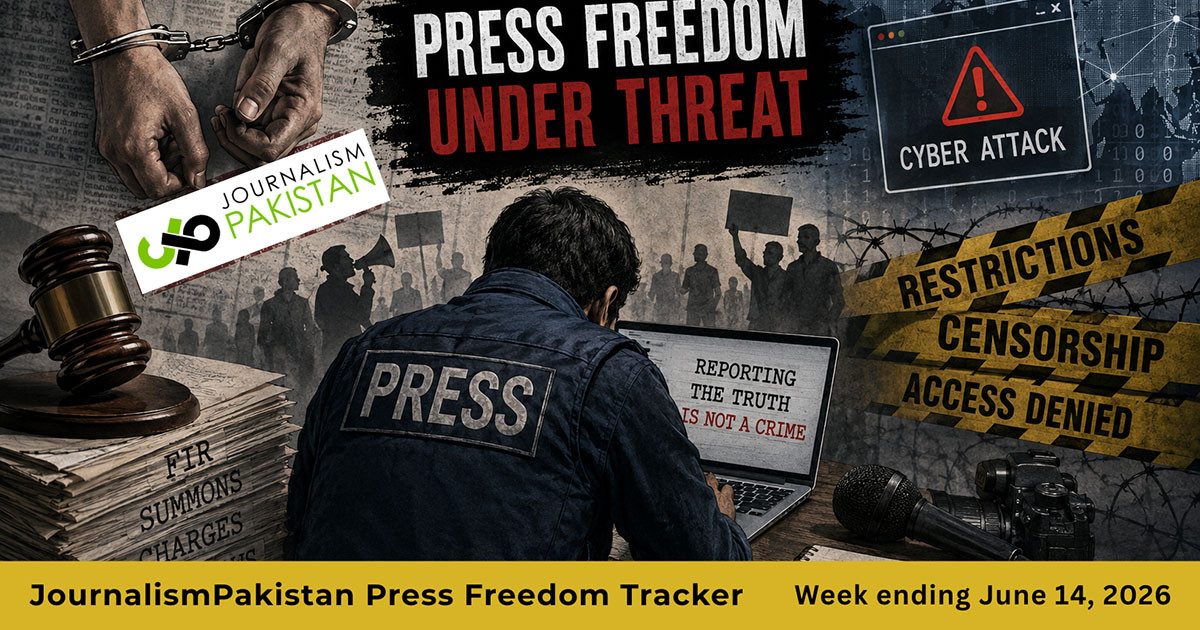
Press freedom review: From jail cells to cyberspace, threats to journalists multiply
June 14, 2026 Press freedom faces mounting challenges worldwide as journalists confront arrests, legal pressure, cyberattacks, online harassment, deportations, and reporting restrictions across multiple countries.
The right to know: Comparing access-to-information laws across Asia
June 14, 2026 Across Asia, RTI laws range from effective tools for journalism and accountability to paper laws weakened by bureaucracy, broad exemptions and poor enforcement.

Open-Source Intelligence (OSINT): How journalists verify information in the digital age
June 14, 2026 OSINT helps journalists verify social media, photos, videos, maps and public records to improve reporting accuracy and detect misinformation.
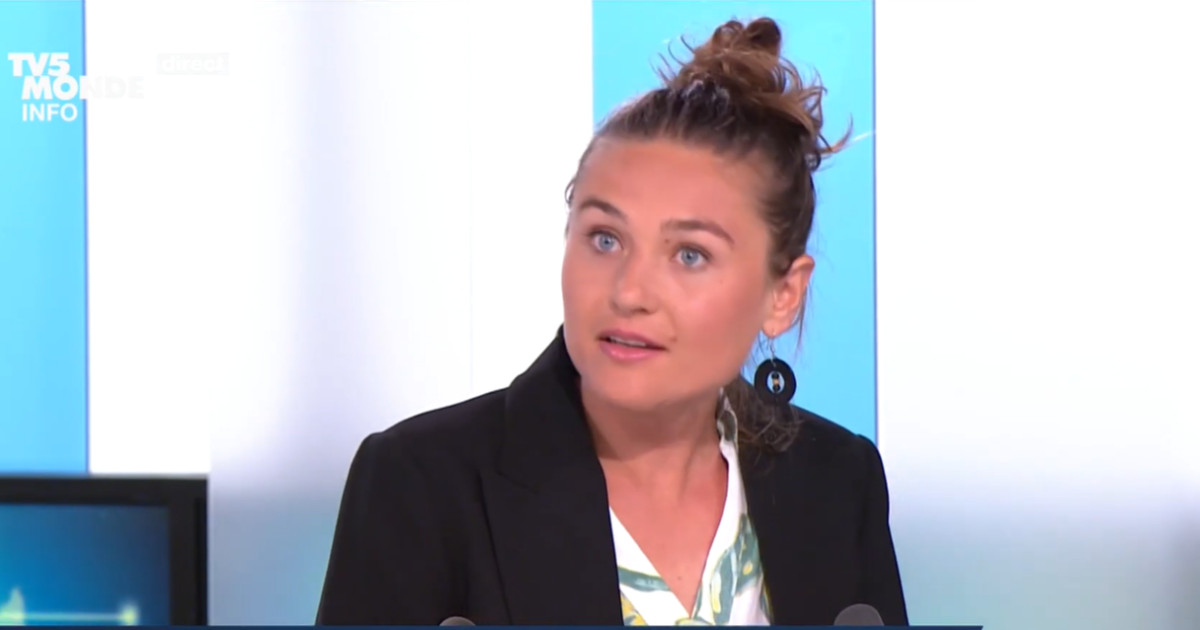
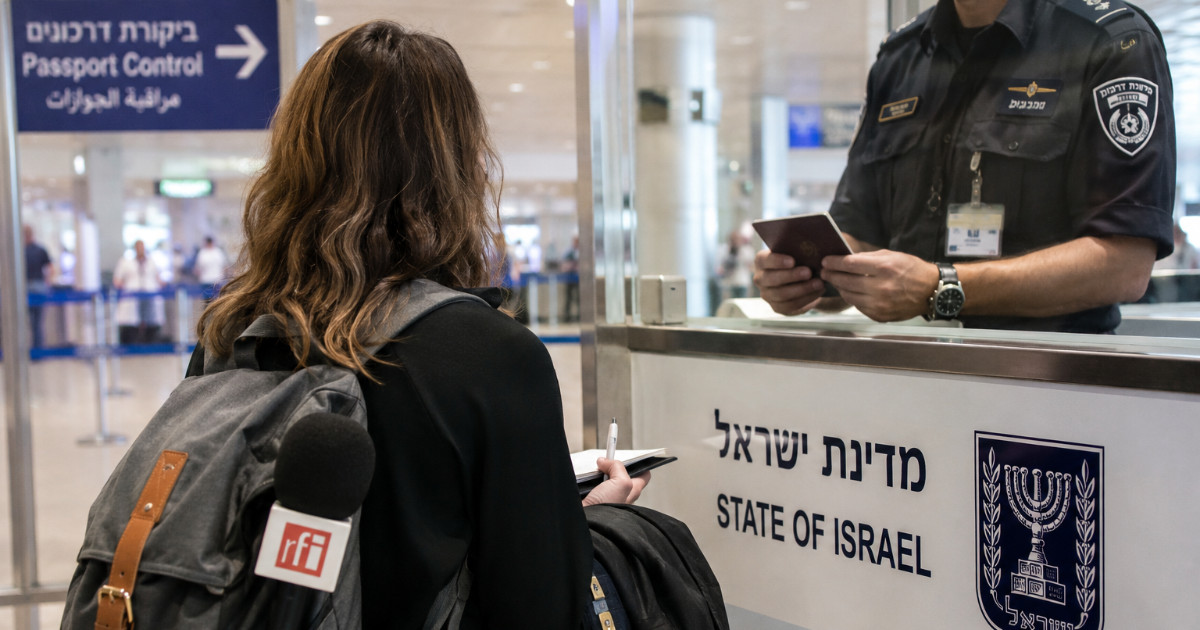
Ethiopia expels French journalist after Tigray reporting
June 13, 2026 Ethiopia expelled French reporter A. Passilly after Tigray reporting, drawing criticism from press groups as retaliatory and damaging to press freedom.
Popular Stories

Why publishers want AI companies to pay
Jun 06, 2026