
Dhaka dialogue urges stronger media self-regulation
JournalismPakistan.com | Published: 29 January 2026 | JP Asia Desk
Join our WhatsApp channel
Editors, publishers and analysts at a Dhaka dialogue urged stronger media self-regulation to shield journalists from mounting political and legal pressures. They urged practical, enforceable editorial codes and ownership transparency to rebuild public trust.Summary
DHAKA — Editors, publishers, and media analysts meeting at a high-level policy dialogue in Dhaka emphasized the need for stronger self-regulation to safeguard press freedom and restore public trust. Participants pointed to growing political and legal pressures on journalists and argued that credible internal governance is increasingly central to newsroom resilience.
The discussion focused on the role of internal editorial standards and ownership transparency as first lines of defense against external interference. Speakers stressed that self-regulatory frameworks must be practical, enforceable, and visibly independent to carry public confidence.
Internal governance and editorial independence
Participants highlighted internal editorial codes as a core tool for protecting decision-making from undue influence. These include clear separations between editorial and commercial operations, transparent correction policies, and documented standards for sourcing and verification.
Ownership-related codes were also discussed as a way to reduce conflicts of interest. Media analysts noted that clarity around ownership structures and decision authority can help newsrooms demonstrate independence when facing regulatory scrutiny or political pressure.
Rebuilding trust amid external pressures
Several speakers linked self-regulation directly to public trust, arguing that audiences are more likely to defend media freedom when outlets show accountability and ethical consistency. Independent newsroom practices were described as essential not only for credibility but also for long-term institutional survival.
The dialogue underscored that self-regulation does not replace legal protections but complements them. Participants said strong internal systems can help media organizations respond more effectively to laws, regulations, or informal pressures that threaten editorial autonomy.
WHY THIS MATTERS: For Pakistani journalists and media organizations, the Dhaka discussion highlights how internal governance can serve as a practical shield when legal and political pressures intensify. Strong editorial and ownership codes can help newsrooms demonstrate credibility, manage risk, and strengthen audience trust in a challenging regulatory environment.
ATTRIBUTION: Based on statements and discussions shared by participants during the policy dialogue in Dhaka.
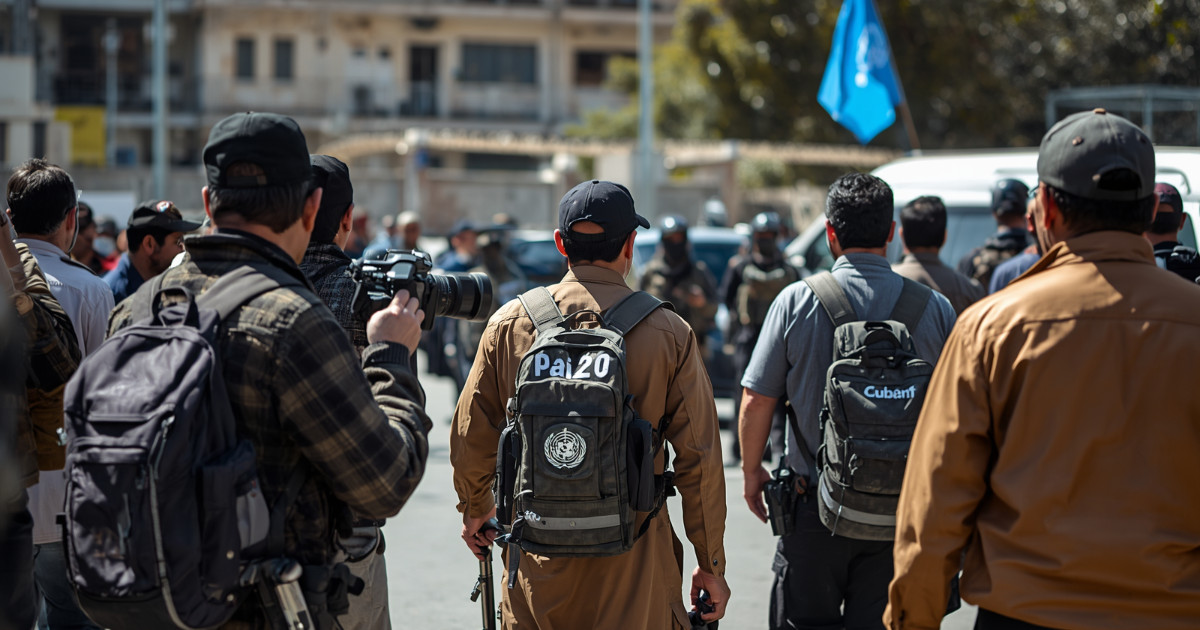
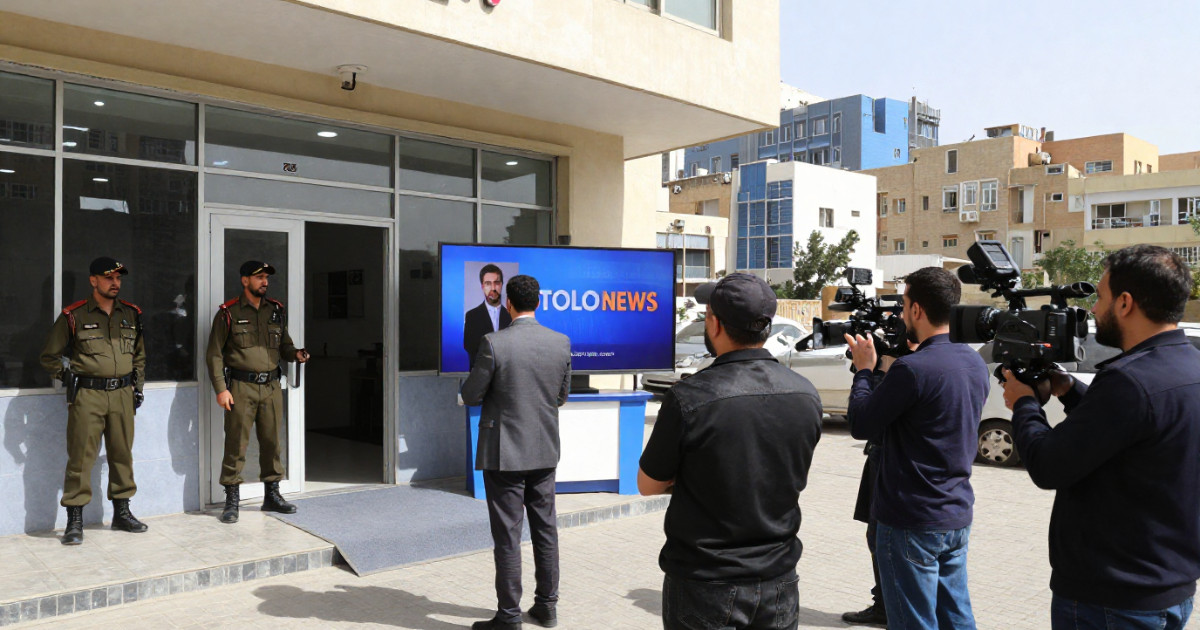
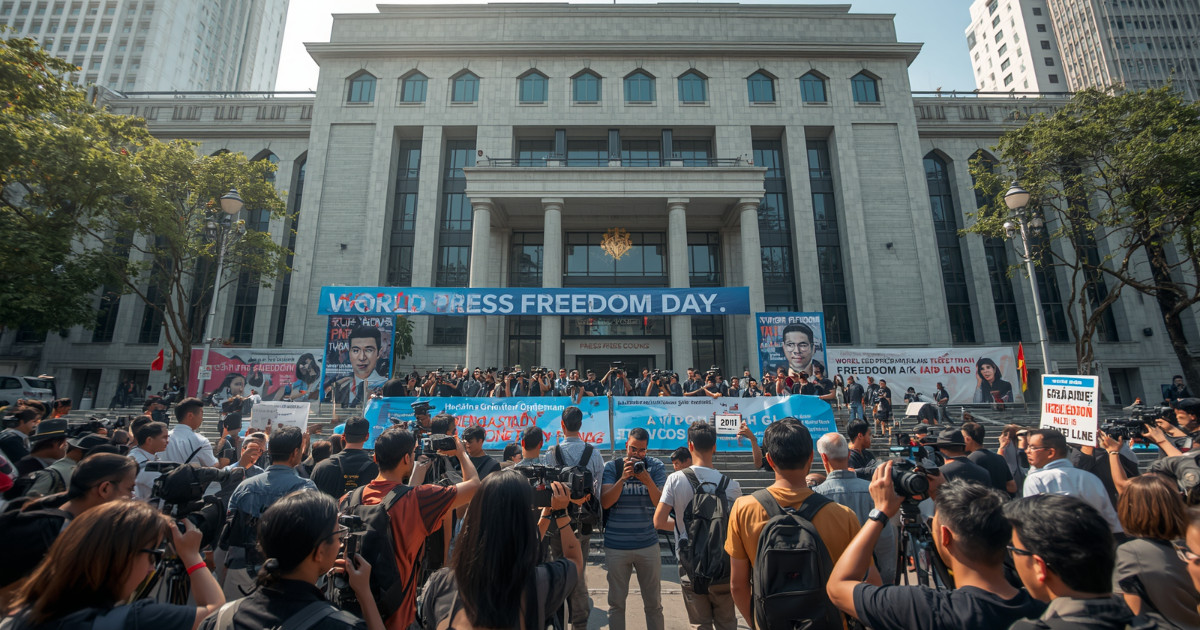
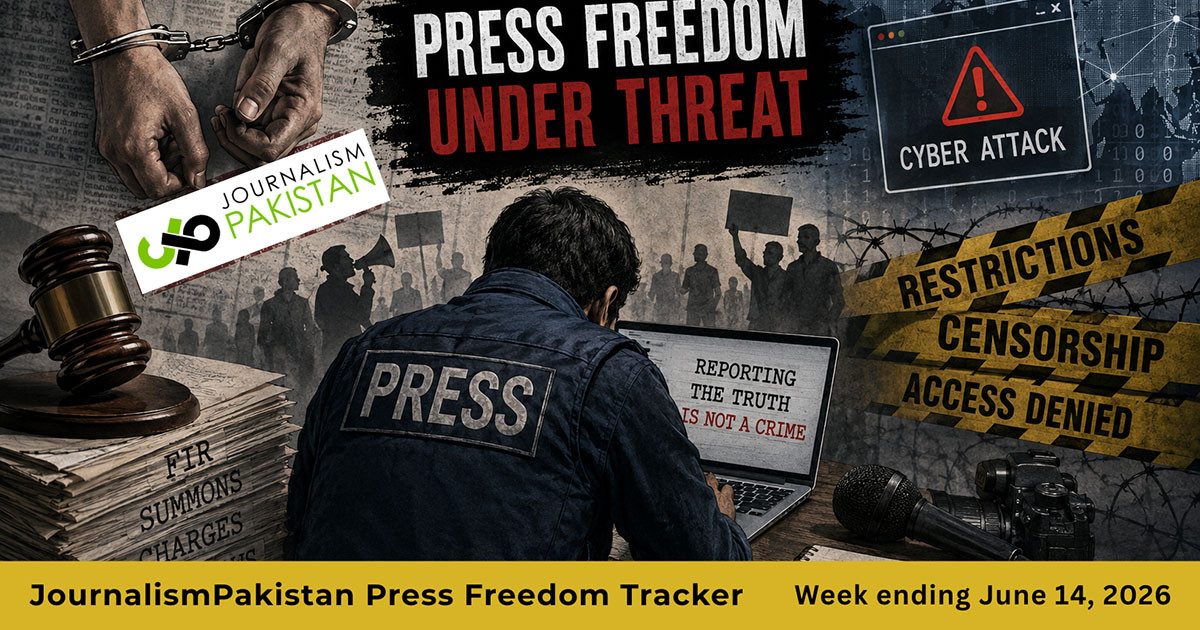
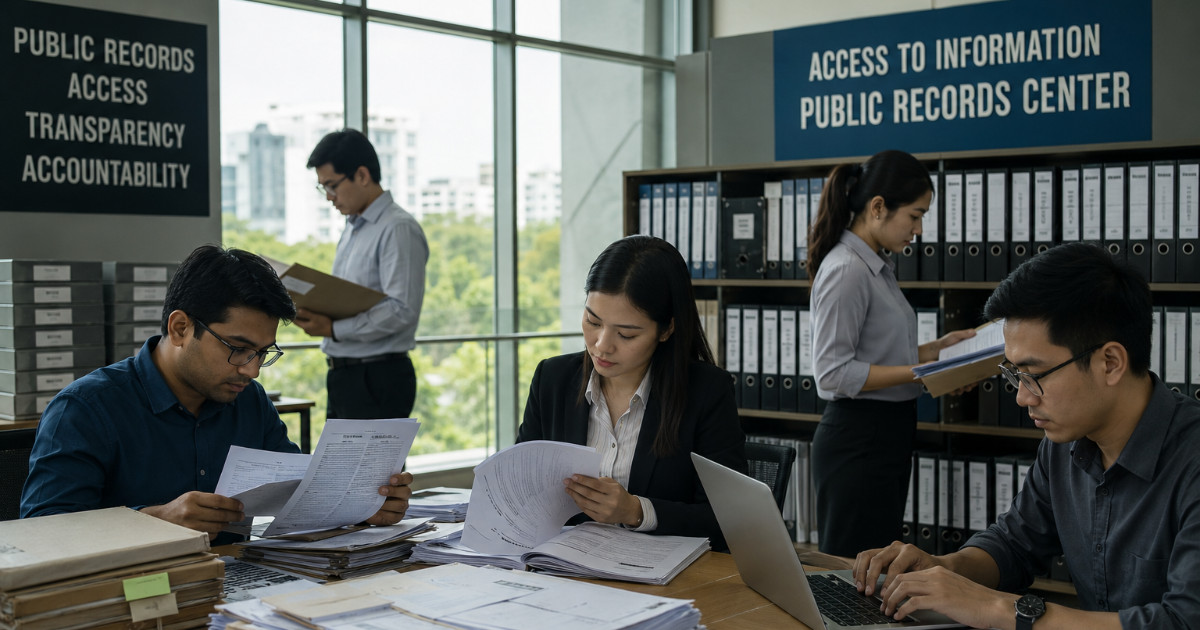
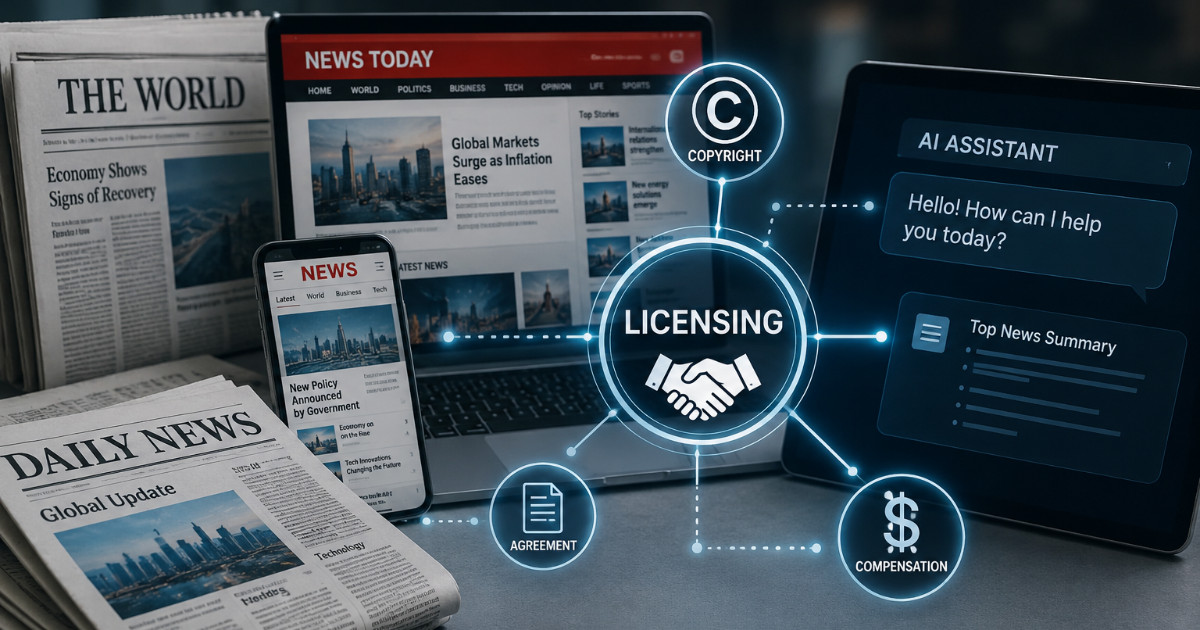
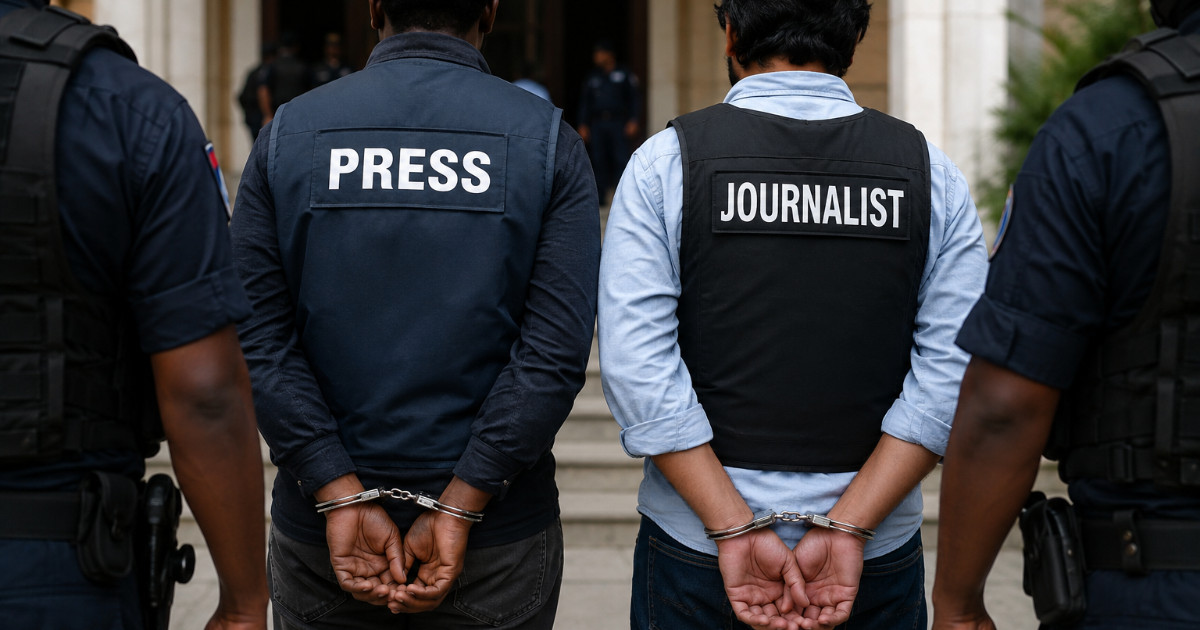
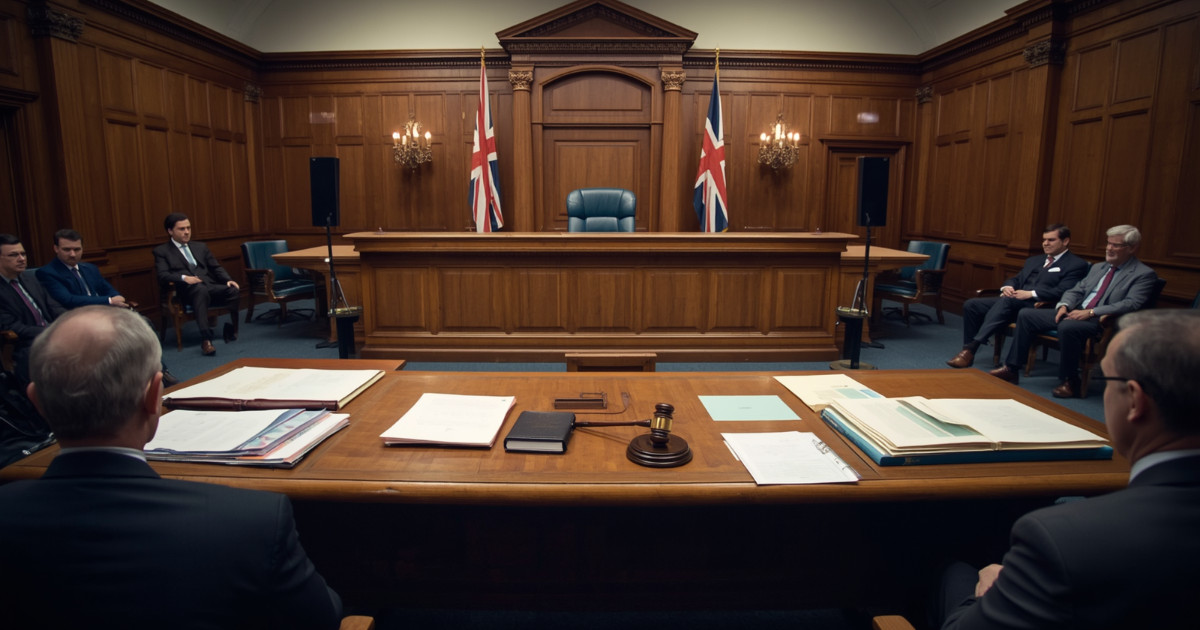
PHOTO: AI-generated; for illustrative purposes only.
Key Points
- Participants called for stronger self-regulation to protect press freedom amid growing political and legal pressures.
- Clear editorial codes, including separation of editorial and commercial functions and correction policies, were highlighted.
- Ownership transparency was urged to reduce conflicts of interest and demonstrate newsroom independence.
- Speakers said self-regulatory frameworks must be practical, enforceable and visibly independent to earn public confidence.
- Independent newsroom practices were linked directly to rebuilding public trust and defending media freedom.
Relevant Topics
Ask AI: Understand this story your way
AI EnabledDig deeper, ask anything — get instant context, background, and clarity.
Disclaimer: This feature is powered by AI and is intended to help readers explore and understand news stories more easily. While we strive for accuracy, AI-generated responses may occasionally be incomplete or reflect limitations in the underlying model. This feature does not represent the editorial views of JournalismPakistan. For our full, verified reporting, please refer to the original article.