
Colombian media face bomb threats as RCN office attacked
JournalismPakistan.com | Published: 11 November 2026 | JP Global Monitoring
Join our WhatsApp channel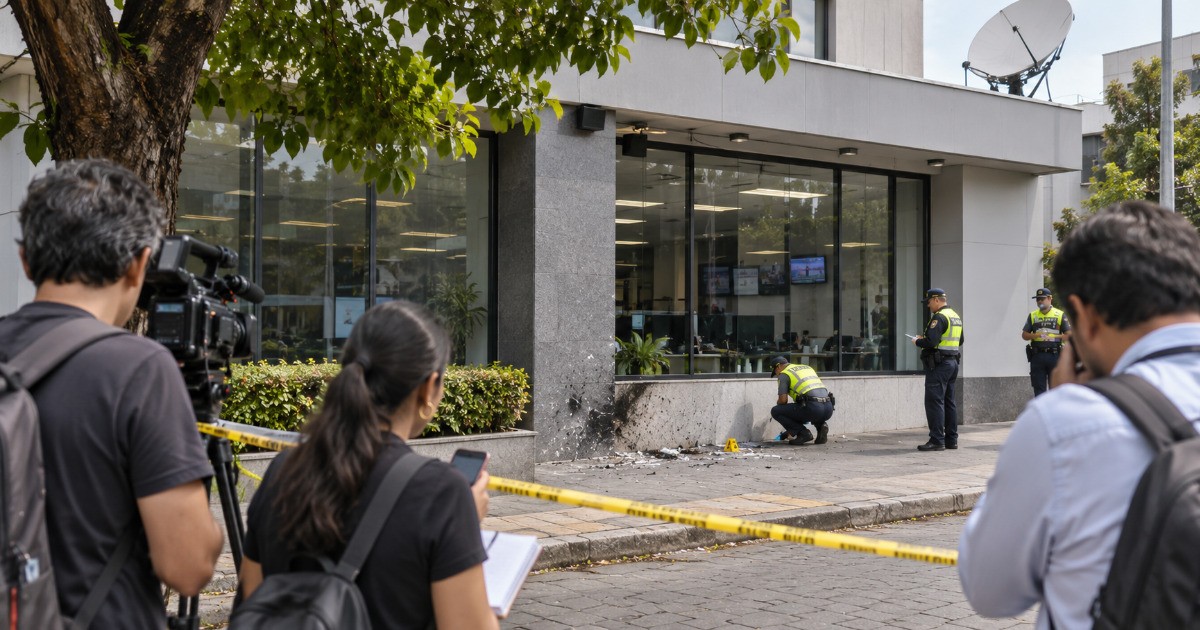
The Committee to Protect Journalists has urged Colombian authorities to investigate bomb threats against media outlets in Bogotá and protect their staff. The appeal came amid heightened security concerns, followed by an explosive attack on RCN's premises in Cali on November 11. No injuries were reported.Summary
CALI — An explosive device was thrown at the offices of Colombian broadcaster RCN in Cali on November 11, causing minor damage but no injuries, days after bomb threats against major media organizations in Bogotá prompted evacuations and demands for stronger protection of journalists.
Two men travelling on a motorcycle allegedly threw a grenade at the building housing RCN Radio and Noticias RCN in the Industrial Los Mangos neighborhood during the early hours of Wednesday, according to Caracol Radio and El Espectador. The device exploded outside the premises, damaging parts of the building and nearby windows.
Police investigate explosive attack
Police examined security camera recordings from the area as investigators sought to identify those responsible. Colombian media reported differing accounts of possible arrests, with some outlets saying two suspects had been detained and others reporting that several individuals were under investigation.
Cali Mayor Alejandro Eder condemned the attack and announced a reward of up to 20 million Colombian pesos for information leading to the identification and arrest of those responsible. Authorities said security resources would be mobilized to investigate the explosion and protect the broadcaster's staff.
Earlier threats against Bogotá media
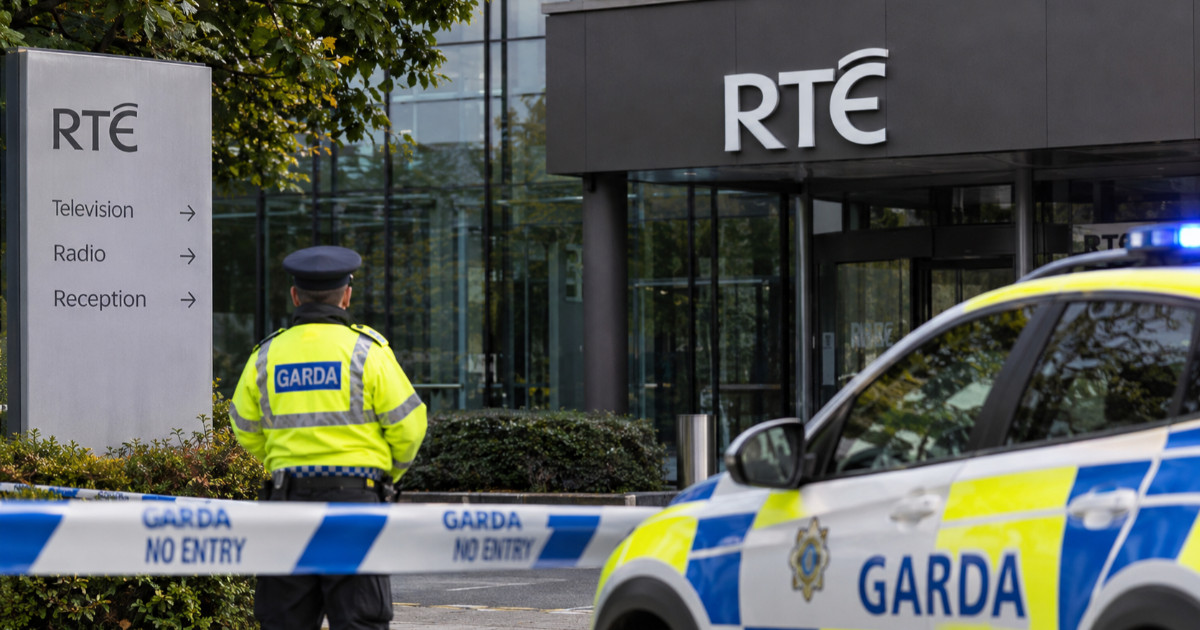
The attack followed warnings of a possible bombing campaign against three major Colombian media organizations: Caracol Televisión, Caracol Radio and RCN.
On November 7, authorities warned Caracol Televisión of a possible attack, prompting the evacuation of its Bogotá headquarters. Police subsequently inspected the premises but found no explosives.
Caracol Radio also received a security warning and activated precautionary procedures in coordination with authorities. The Committee to Protect Journalists said the station evacuated its offices, although accounts from the Colombian press freedom organization Fundación para la Libertad de Prensa (FLIP) described the response less definitively.
Alleged guerrilla plot remains unconfirmed
The Committee to Protect Journalists said on November 10 that the reported plot had been attributed to the National Liberation Army, known as the ELN, based on information concerning an investigation by Colombia's attorney general's office.
However, El Espectador reported that the alleged involvement of the guerrilla organization had not been publicly confirmed by prosecutors, police or Bogotá authorities.
The November 11 attack in Cali has heightened concern about the safety of Colombian journalists and media facilities. Authorities have not established a connection between the explosion and the earlier threats in Bogotá.
Investigators have also not publicly established who ordered the Cali attack or whether it was intended to intimidate journalists because of their reporting.
CPJ demands protection for journalists
The Committee to Protect Journalists urged Colombian authorities on November 10 to investigate the reported bomb plot urgently and provide effective protection for journalists and other employees at the threatened organizations.
Cristina Zahar, CPJ's Latin America program coordinator, called for accountability and concrete security measures, warning that threats against media organizations must be treated seriously.
FLIP also called for immediate protective measures coordinated with the affected outlets and their workers. The organization urged prosecutors to clarify the origin and scope of the threats and determine whether journalists faced continuing risks.
Government announces security measures
President Abelardo de la Espriella announced on November 8 that he had instructed security authorities to protect RCN and Caracol Televisión, including their journalists, employees and families.
He also ordered reinforced protection for the newsweekly Semana, although its inclusion in the security measures did not establish that it was a target of the specific reported plot.
The government said state security resources would be deployed to prevent attacks on media organizations. Details of the measures' implementation and effectiveness had not been independently established.
Following the Cali explosion, Valle del Cauca Governor Dilian Francisca Toro condemned the violence and expressed solidarity with journalists and other media workers.
The governor emphasized that protecting news organizations was essential to safeguarding the public's right to information.
Growing concerns over newsroom security
The latest incident has revived concerns about physical security at Colombian media organizations, particularly those reporting on organized crime, armed groups and politically sensitive issues.
The RCN premises in Cali had previously been targeted in an explosive attack in November 2025. Colombian reporting has not established a connection between that incident, the Bogotá warnings and Wednesday's explosion.
The incidents illustrate the challenges facing media organizations when security threats threaten both their employees and their ability to continue reporting.
For Colombian journalists, the immediate concern is whether announced security measures will provide effective protection while investigators determine who was responsible for the threats and the latest attack.
ATTRIBUTION: Based on reporting by Caracol Radio, El Espectador, Noticias Caracol and El País, November 11, 2026; Committee to Protect Journalists, November 10, 2026; Fundación para la Libertad de Prensa, November 8, 2026; and statements from Colombian authorities, November 8–11, 2026.
Key Points
- CPJ urged Colombia to investigate the reported plot and protect media staff.
- Caracol Televisión evacuated its Bogotá premises after a November 7 warning.
- CPJ said Caracol Radio also evacuated and RCN was named.
- Police found no evidence of explosives at Caracol Televisión's premises.
- Authorities had not publicly confirmed the ELN hypothesis as of November 8.
Key Questions & Answers
What did CPJ ask Colombian authorities to do?
It urged an investigation, accountability for those responsible and concrete measures to protect journalists.
Which media outlets were named in the reported plot?
CPJ identified Caracol Televisión, Caracol Radio and RCN as the outlets named in the alleged plan.
Were explosives found at Caracol Televisión?
No. Bogotá police said an inspection found no evidence of explosives inside or around its premises.
Was ELN responsibility publicly confirmed?
El Espectador reported that prosecutors, police and Bogotá authorities had not publicly confirmed the ELN hypothesis as of November 8.
Relevant Topics
Ask AI: Understand this story your way
AI EnabledDig deeper, ask anything — get instant context, background, and clarity.
Disclaimer: This feature is powered by AI and is intended to help readers explore and understand news stories more easily. While we strive for accuracy, AI-generated responses may occasionally be incomplete or reflect limitations in the underlying model. This feature does not represent the editorial views of JournalismPakistan. For our full, verified reporting, please refer to the original article.