.png)
Bangladesh loses investigative journalist Saleem Samad
JournalismPakistan.com | Published: 23 February 2026 | JP Asia Desk
Join our WhatsApp channel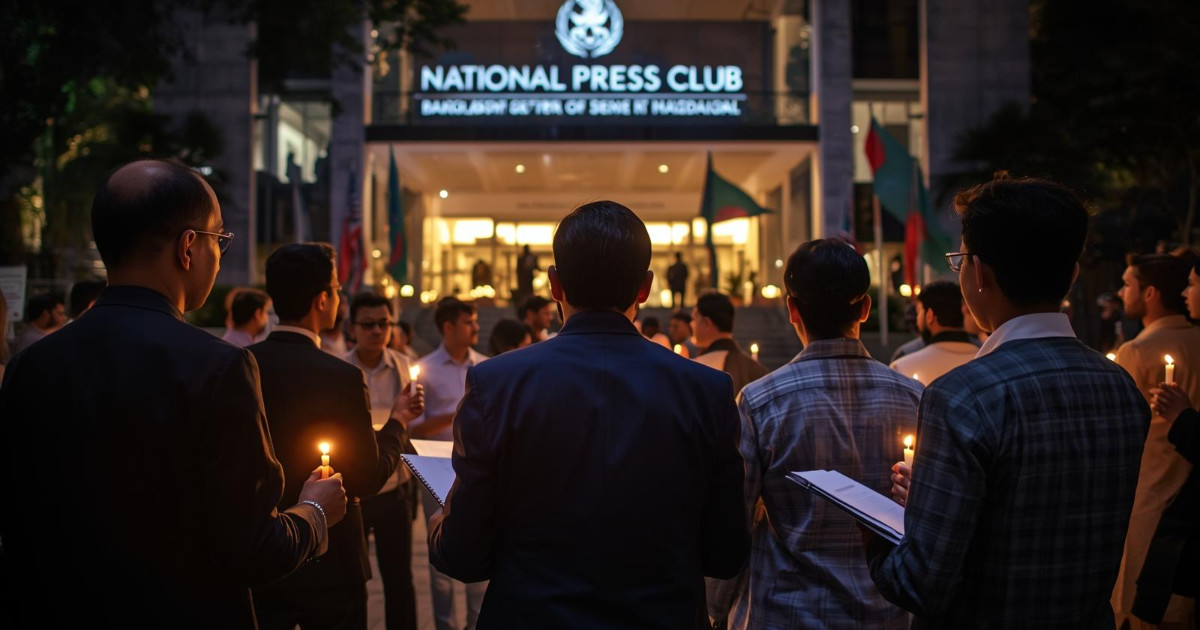
Saleem Samad, 74, a veteran Bangladeshi investigative journalist known for reporting on governance, conflict and rights in South Asia, has died in Dhaka while undergoing cancer treatment; he contributed to international outlets and trained regional journalists.Summary
DHAKA — Veteran Bangladeshi investigative journalist Saleem Samad has died at age 74, marking the loss of a prominent voice in South Asian media. Samad, long respected for his in‑depth reporting and commitment to press freedom, passed away onFebruary 22, 2026, while undergoing treatment for cancer at a hospital in Dhaka’s Dhanmondi area.
His funeral rites (namaz‑e‑janaza) were held at both the Jatiya Press Club and the Dhaka Reporters Unity premises, with colleagues and friends paying tribute to his decades‑long contribution to journalism.
Investigation excellence and professional footprint
Samad built a career spanning more than 35 years as an investigative journalist, writer, and media rights defender. His work appeared in international outlets including TIME magazine, India Today, Outlook, and Pakistan’s South Asia Magazine. He also served as special correspondent for several Bangladeshi English dailies such as The News Times, The Bangladesh Observer, and The Asian Age.
His reporting covered critical issues, including conflict, governance, forced migration, security, and democratic rights across South Asia, making him a widely respected figure among peers and media organizations in the region.
Training and regional impact
Beyond reporting, Samad facilitated capacity‑building courses for journalists from Bangladesh and its neighbors on topics such as environment and development journalism. He led workshops that brought together media professionals from Bangladesh, Nepal, Pakistan, and Sri Lanka, helping to strengthen journalistic skills across borders.
Earlier in his career, Samad received a prestigious Ashoka Fellowship in 1991 in recognition of his work linking environmental and development issues with investigative reporting.
Legacy of resilience and advocacy
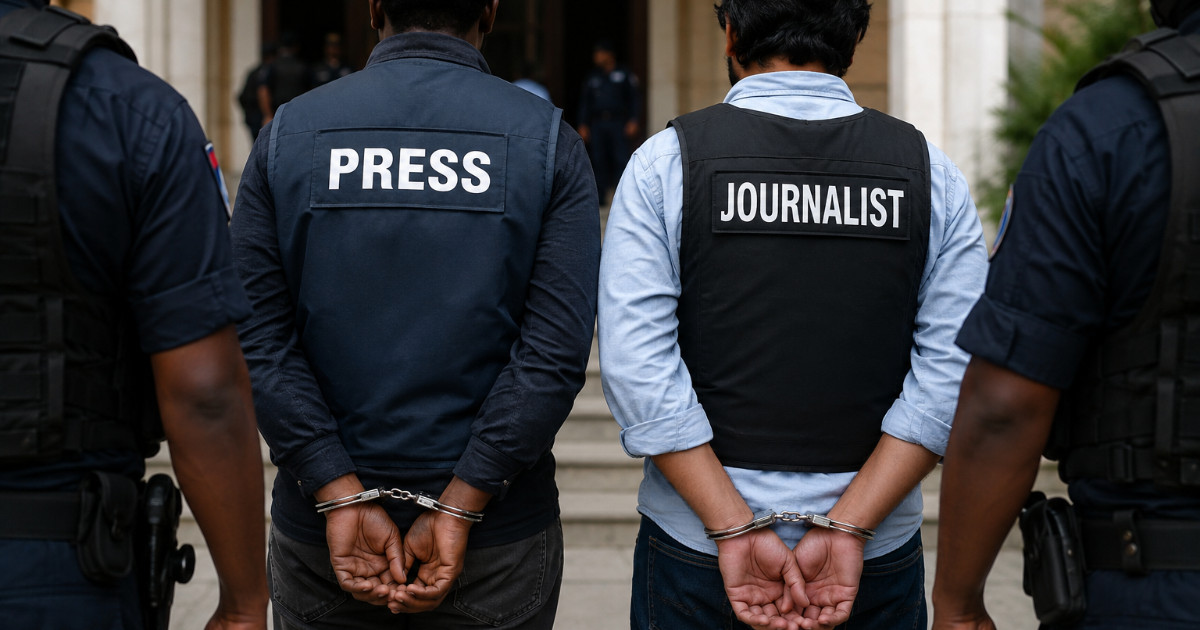
Samad’s career was also marked by challenges. In 2002, he was arrested on sedition charges amid reporting that drew scrutiny from authorities, an episode that underscored his willingness to confront sensitive topics in his work.
His passing represents a significant moment for the journalism community in South Asia, particularly as media professionals navigate complex pressures ahead of electoral and political shifts in the region.
WHY THIS MATTERS: For Pakistani journalists and media outlets, Samad’s career illustrates the impact and risks of rigorous investigative reporting across South Asia. His work reminds newsrooms of the value of cross‑border collaboration and the importance of resilience and professional training in sustaining quality journalism in challenging environments.
ATTRIBUTION: Reporting based on multiple news reports, including Dhaka Tribune, Prothom Alo, New Age, and The Daily Star, covering Saleem Samad’s death.
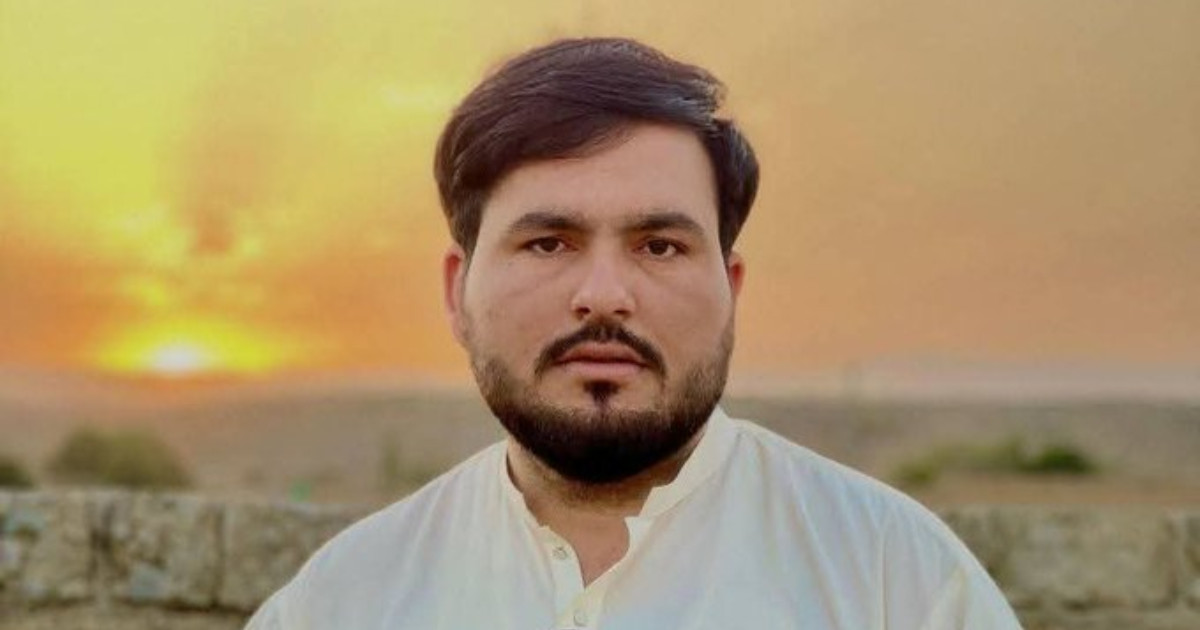
PHOTO: AI‑generated; for illustrative purposes only.
Key Points
- Saleem Samad, 74, died on February 22, 2026, in Dhaka while undergoing cancer treatment.
- He had a career spanning more than 35 years as an investigative journalist and media rights defender.
- His work appeared in international outlets including TIME, India Today, Outlook, and South Asia Magazine, and in Bangladeshi dailies.
- Samad reported on conflict, governance, forced migration, security, and democratic rights across South Asia.
- His funeral rites were held at the Jatiya Press Club and Dhaka Reporters Unity; he also led regional training workshops for journalists.
Key Questions & Answers
Who was Saleem Samad?
He was a veteran Bangladeshi investigative journalist with more than 35 years' experience reporting across South Asia.
When did he die?
He died on February 22, 2026 while undergoing cancer treatment in Dhaka.
Which publications did he write for?
He contributed to international outlets such as TIME, India Today, Outlook and South Asia Magazine, and to Bangladeshi dailies including The News Times, The Bangladesh Observer and The Asian Age.
Were there public tributes or funeral rites?
Yes; funeral rites were held at the Jatiya Press Club and Dhaka Reporters Unity, where colleagues and friends paid tribute.
Relevant Topics
Ask AI: Understand this story your way
AI EnabledDig deeper, ask anything — get instant context, background, and clarity.
Disclaimer: This feature is powered by AI and is intended to help readers explore and understand news stories more easily. While we strive for accuracy, AI-generated responses may occasionally be incomplete or reflect limitations in the underlying model. This feature does not represent the editorial views of JournalismPakistan. For our full, verified reporting, please refer to the original article.