
A simple guide to media ethics codes journalists should know
JournalismPakistan.com | Published: 23 January 2026 | JP Staff Report
Join our WhatsApp channel
Explainer on media ethics codes: what they are, why they matter and how they guide journalists balancing public interest and privacy. It summarizes shared principles, accuracy, independence, fairness and accountability, and practical newsroom application.Summary
ISLAMABAD — Media ethics codes are foundational documents that guide journalists in making responsible decisions before, during, and after reporting. While laws set the legal boundaries for media work, ethics codes address professional conduct, credibility, and public trust. They are used by newsrooms, press councils, journalism schools, and independent reporters worldwide as reference points for best practice.
For journalists working across different platforms and regions, understanding core ethics principles is essential. Many codes overlap in their values, even if the wording or enforcement mechanisms differ. This explainer breaks down key questions journalists frequently ask about media ethics codes and explains how these standards are applied in real-world reporting.
What are media ethics codes, and why do they matter?
Media ethics codes are formal guidelines adopted by professional journalism organizations, media outlets, or regulatory bodies. Well-known examples include the Society of Professional Journalists Code of Ethics, the International Federation of Journalists Global Charter of Ethics for Journalists, and the BBC Editorial Guidelines. These codes are publicly available and regularly updated to reflect changes in media practice.
Their primary purpose is to promote accuracy, independence, fairness, and accountability. Ethics codes help journalists navigate situations where legal guidance is limited or where competing interests exist, such as balancing the public interest against individual privacy. They also provide a shared standard that audiences and peers can use to evaluate journalistic work.
Are ethics codes legally binding or voluntary?
In most countries, media ethics codes are voluntary rather than legally enforceable. Journalists are generally not prosecuted for breaching an ethics code unless the conduct also violates the law, such as defamation or contempt of court. However, many news organizations make adherence to internal ethics policies a condition of employment.
Some jurisdictions have press councils or media regulators that review complaints based on established ethics codes. Sanctions may include published corrections, apologies, or findings against an outlet, but not criminal penalties. The effectiveness of these systems varies widely by country and depends on independence, transparency, and public trust.
What core principles appear in most media ethics codes?
Across different regions and traditions, several principles consistently appear. Accuracy is central, requiring journalists to verify information, correct errors promptly, and avoid misleading presentation. Independence emphasizes avoiding conflicts of interest and resisting undue influence from political, commercial, or personal sources.
Fairness and impartiality are also common, though interpreted differently across outlets. Many codes call for giving subjects a right of reply and presenting issues in context. Accountability requires journalists to explain their decisions and engage with legitimate criticism. These principles are explicitly stated in global codes such as those of the SPJ and IFJ.
How do ethics codes address sources, anonymity, and verification?
Most ethics codes stress the importance of identifying sources whenever possible. Anonymous sources are generally permitted only when there is a clear public interest and when the information cannot be obtained otherwise. Journalists are expected to know the identity of anonymous sources and assess their credibility.
Verification is treated as a continuous process. Codes typically warn against publishing unverified claims, especially in breaking news situations. Digital-era updates to ethics guidelines increasingly address user-generated content, social media posts, and material obtained from messaging apps, emphasizing caution and confirmation before publication.
What guidance do ethics codes give on harm, privacy, and sensitivity?
Minimizing harm is a widely recognized ethical obligation. Codes encourage journalists to consider the potential impact of their reporting on victims, children, and vulnerable individuals. This does not mean avoiding difficult stories, but it does require proportionality and sensitivity in language, images, and detail.
Privacy is another recurring concern. Ethics codes distinguish between public figures and private individuals, and between merely interesting information and information that is genuinely in the public interest. Many guidelines advise against identifying victims of sexual violence or publishing graphic content unless there is a compelling reason.
How are ethics codes applied in digital and social media journalism?
Modern ethics codes increasingly address online publishing, algorithms, and audience engagement. Journalists are reminded that ethical standards apply equally to websites, newsletters, podcasts, and social media accounts used for professional purposes. Corrections should be as visible as the original error, even on fast-moving platforms.
Some codes caution journalists about expressing personal opinions online when such expression could undermine perceptions of impartiality. Others focus on transparency, encouraging reporters to explain sourcing, methodology, or limitations, particularly in data journalism and investigative reporting.
Do ethics codes differ across regions and cultures?
While core principles are shared, local context matters. Media ethics codes in conflict zones may place additional emphasis on safety and neutrality. In countries with state-run media, codes may coexist with government regulations that shape editorial practice. Cultural norms also influence how concepts like privacy, offense, or balance are interpreted.
Global codes, such as those adopted by international journalism federations, aim to provide a baseline rather than replace national or organizational standards. Journalists working across borders often consult multiple codes to ensure their work aligns with both local expectations and international norms.
How should journalists use ethics codes in their daily work?
Ethics codes are most effective when treated as practical tools rather than abstract ideals. Journalists can consult them when planning stories, resolving editorial disputes, or responding to complaints. Many newsrooms use ethics discussions as part of editorial meetings or post-publication reviews.
For freelancers and independent journalists, ethics codes offer professional grounding and credibility. Citing adherence to recognized standards can help clarify decision-making to editors, audiences, and sources. While no code can anticipate every dilemma, familiarity with ethical principles equips journalists to make defensible, transparent choices.
ATTRIBUTION: Based on publicly available media ethics codes and guidelines from recognized journalism organizations, including the Society of Professional Journalists, the International Federation of Journalists, and major public service broadcasters.
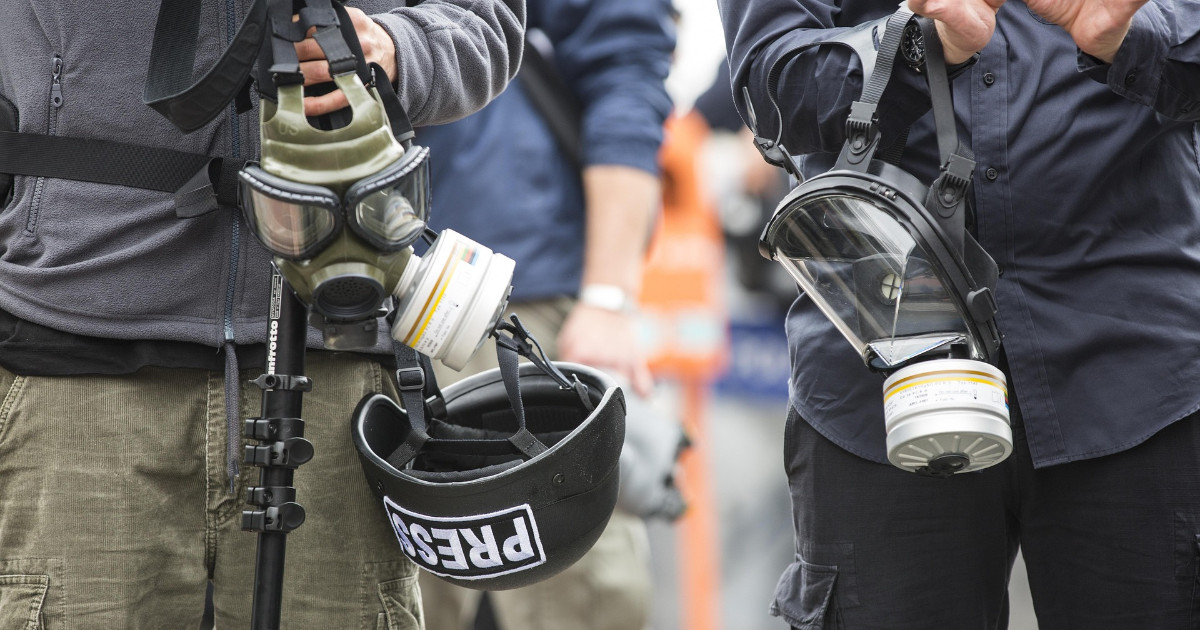
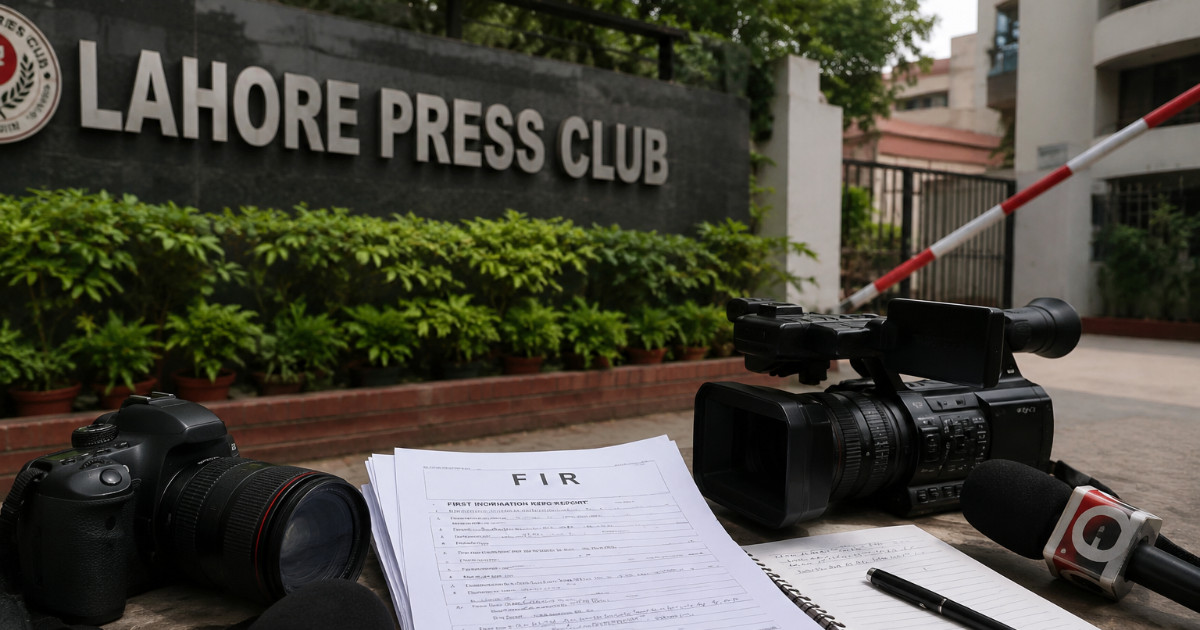
PHOTO: AI-generated; for illustrative purposes only
Key Points
- Media ethics codes are formal guidelines used by newsrooms, press councils and journalism bodies to set professional standards.
- They promote accuracy, independence, fairness and accountability in reporting.
- Guidelines help journalists navigate conflicts like public interest versus individual privacy.
- Well-known examples include the SPJ Code of Ethics, IFJ Global Charter and broadcaster editorial guidelines.
- Codes are referenced across platforms and updated to reflect changing practices and technologies.
Ask AI: Understand this story your way
AI EnabledDig deeper, ask anything — get instant context, background, and clarity.
Disclaimer: This feature is powered by AI and is intended to help readers explore and understand news stories more easily. While we strive for accuracy, AI-generated responses may occasionally be incomplete or reflect limitations in the underlying model. This feature does not represent the editorial views of JournalismPakistan. For our full, verified reporting, please refer to the original article.