.png)
Matiullah Jan calls out journalist unions over cozy ties with authorities
JournalismPakistan.com | Published: 20 December 2025 | JP Staff Report
Join our WhatsApp channel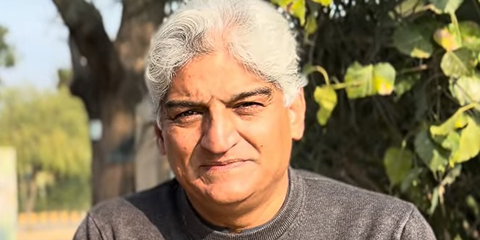
Senior journalist Matiullah Jan has called out the leaders of journalist unions for their ineffective response to media challenges in Pakistan. He emphasized the need for unity among journalists and proposed leadership changes to foster innovation.Summary
ISLAMABAD — Senior journalist Matiullah Jan strongly criticized journalist union leaders for what he described as a failure to effectively respond to the worsening conditions facing Pakistan’s media, speaking at a national conference in Islamabad.
He said the biggest weakness of national-level media unions was their deep involvement in press club politics, arguing that this had diluted their ability to represent working journalists. Jan maintained that leadership of bodies such as the Pakistan Federal Union of Journalists should gradually be handed over to younger journalists to encourage renewal and innovation within the profession.
Union leadership under fire
Jan urged journalists to unite across organizations, warning that continued infighting had weakened their collective voice. Without unity and internal reform, he said, journalists would remain unable to engage the government confidently or credibly demand their rights. He accused union leaders of seeking favors from the authorities while simultaneously organizing symbolic protests that lacked sustained impact.
During his remarks, Jan also raised concerns about what he termed questionable press club memberships, alleging that individuals with little connection to journalism had been granted membership. At one point, he was interrupted by PFUJ President Afzal Butt, to whom Jan responded by stating that Butt was leading a national union rather than a local press club, underscoring his argument about blurred institutional roles.
Calls for unity and reform
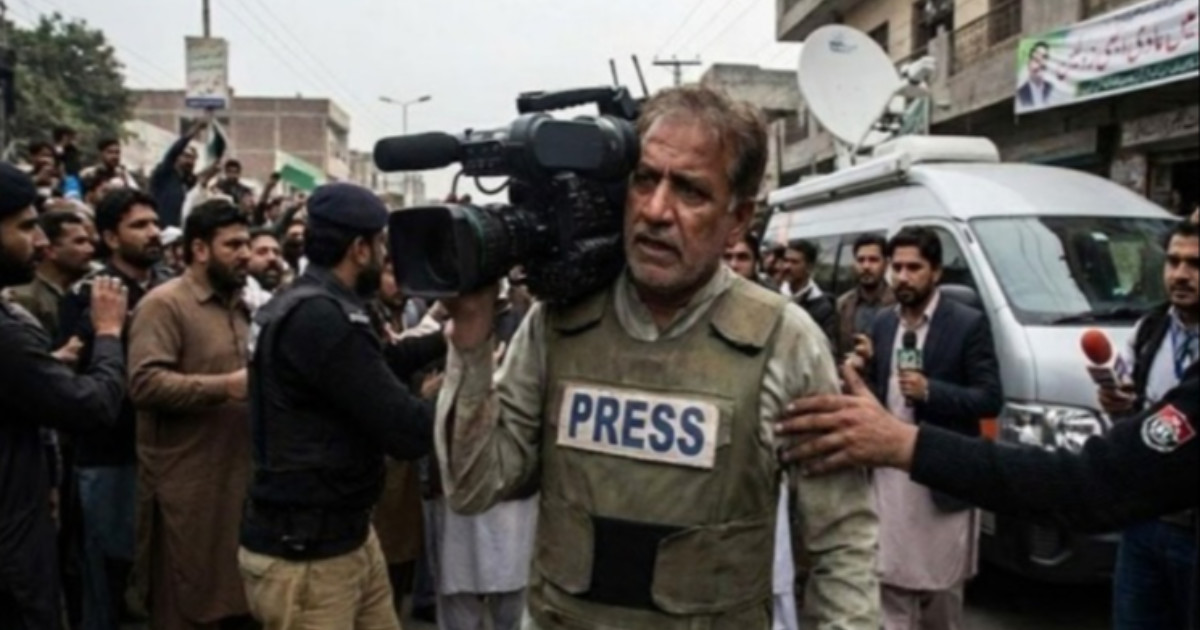
Jan held union leaders responsible for the broader state of the media, suggesting that journalists themselves should critically assess the role of their leadership, just as they scrutinize politicians. He said the media was facing severe restrictions, which he described as a martial law-like environment, yet union leaders continued to signal that conditions were not dire enough to justify sustained collective action.
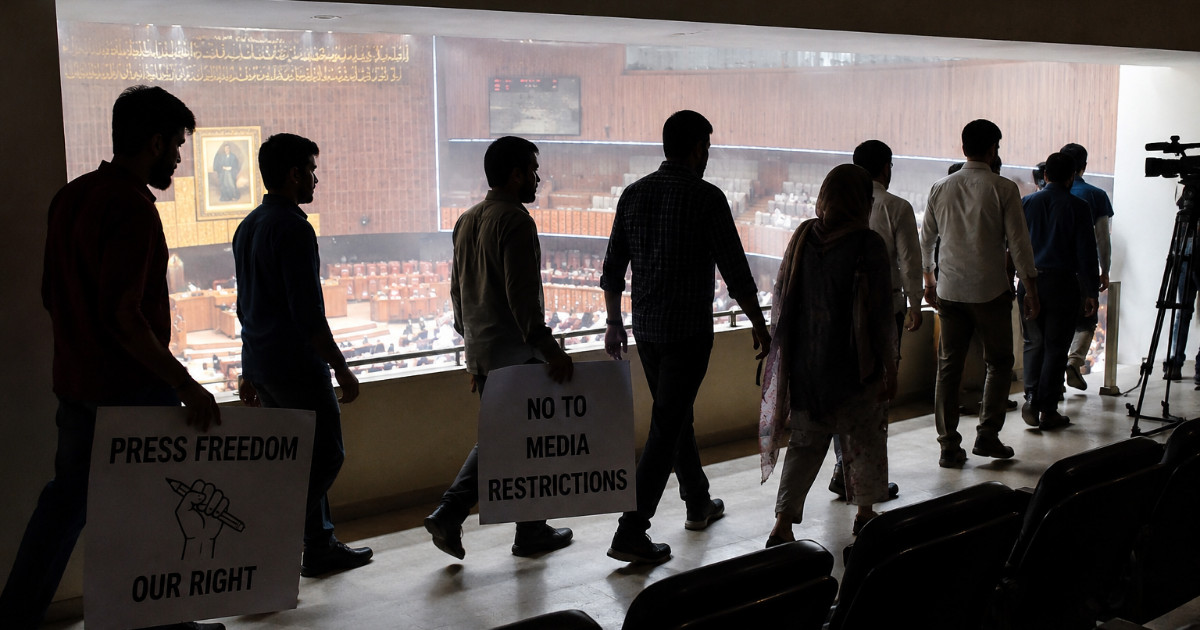
He contrasted this with measures he said were missing, including coordinated protests, symbolic acts such as wearing black armbands on air, boycotts of official press conferences, sit-ins by media workers outside parliament, and stronger public campaigns led by unions and press clubs. Jan argued that while journalists frequently suffer job losses, salary delays, and censorship, union responses often remain limited to statements, brief walkouts, or photo opportunities.
Jan further criticized what he described as a culture of dependence on government support, saying union leaders repeatedly approached successive governments for funds while failing to take a clear and principled stand on media freedom. He also objected to practices such as inviting ministers to press clubs for ceremonial receptions, which he said undermined the independence and credibility of journalist organizations.
Referring to past struggles, Jan said meaningful movements were possible, recalling periods of resistance by journalists during the military regimes of Gen. Zia-ul-Haq, Gen. Pervez Musharraf, and Field Marshal Ayub Khan. He argued that similar resolve and organization were needed again to address the current crisis facing Pakistan’s media industry.
POSSIBLE WAY FORWARD: Media observers suggest that one potential approach could involve clearer separation between press club administration and union leadership, transparent membership systems, and structured leadership development programs to bring younger journalists into decision-making roles while maintaining institutional continuity.
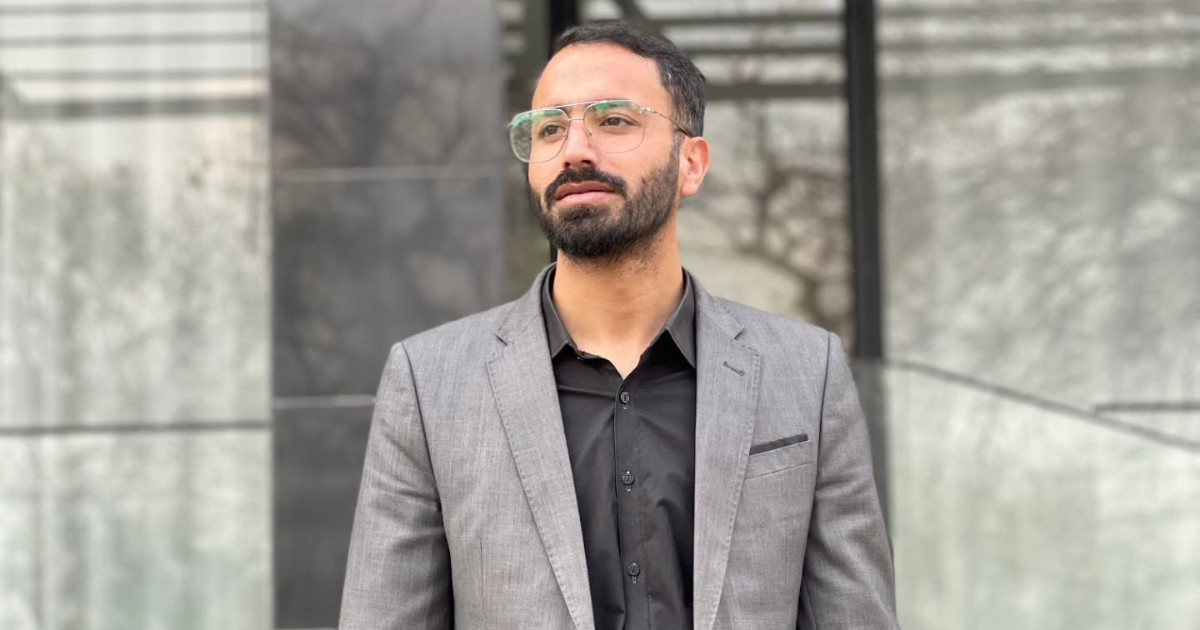
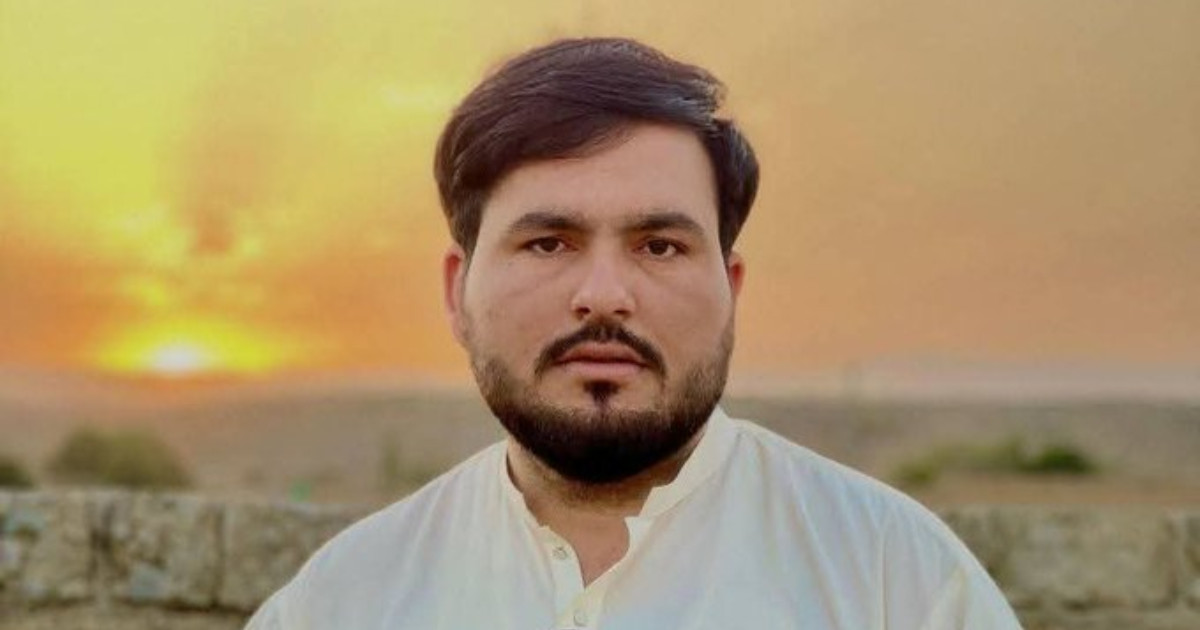
PHOTO: Matiullah Jan (YouTube/MJTV)
Key Points
- Matiullah Jan criticized union leaders at a national conference.
- He highlighted their focus on press club politics over journalist welfare.
- Jan urged for inclusion of younger journalists in leadership roles.
- He accused unions of symbolic protests and government dependency.
- Concerns were raised about accountability and press club memberships.
Relevant Topics
Ask AI: Understand this story your way
AI EnabledDig deeper, ask anything — get instant context, background, and clarity.
Disclaimer: This feature is powered by AI and is intended to help readers explore and understand news stories more easily. While we strive for accuracy, AI-generated responses may occasionally be incomplete or reflect limitations in the underlying model. This feature does not represent the editorial views of JournalismPakistan. For our full, verified reporting, please refer to the original article.