
Morocco reforms press council law amid journalist concerns
JournalismPakistan.com | Published: 25 December 2025 | JP Global Monitoring Desk
Join our WhatsApp channel
Morocco has amended the law governing the National Press Council, altering the balance between elected and appointed members. Journalists' unions express concerns that these changes undermine professional self-regulation and independence.Summary
RABAT — Morocco’s parliament has passed amendments to the law governing the National Press Council, introducing changes to the structure of the body responsible for regulating journalism and overseeing professional standards in the country.
The reform has drawn criticism from journalists’ unions and press freedom advocates, who argue that both the legislative process and the substance of the changes undermine the principle of professional self-regulation that the council was originally designed to protect.
Concerns from journalists’ unions
Journalists’ representative bodies have protested the reform, stating that it increases the role of appointed members within the council while reducing the influence of journalists elected by their peers. According to the unions, this shift risks weakening the independence of the regulatory body and diluting the voice of working journalists in decisions affecting the profession.
Critics also argue that the changes were adopted without sufficient consultation with media professionals, raising broader questions about transparency and inclusiveness in policymaking related to press regulation.
Implications for media governance
Supporters of the reform have described it as an effort to improve governance and efficiency within the National Press Council. However, critics warn that altering the balance between elected and appointed representation could affect how ethical oversight and disciplinary processes are carried out.
Media analysts note that regulatory independence is closely linked to public trust in journalism. Any perception that oversight bodies are less autonomous could have long-term implications for editorial freedom and the credibility of the press.
Broader context for press freedom
The restructuring of the National Press Council comes amid ongoing debate in Morocco over the legal and institutional framework governing media and freedom of expression. While the country maintains a diverse media landscape, journalists’ organizations continue to raise concerns about regulatory pressures and the need for safeguards that protect professional autonomy.
ATTRIBUTION: Based on publicly reported parliamentary decisions and statements from journalists’ unions and media advocacy groups.
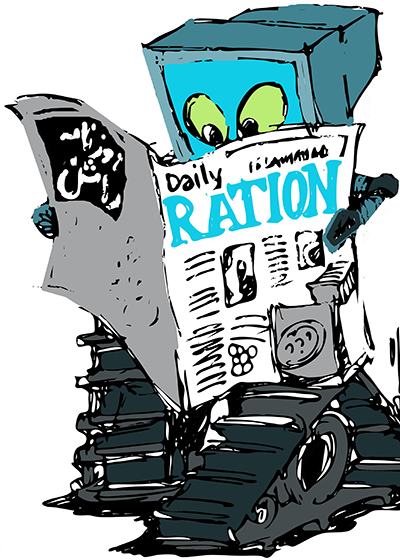
PHOTO: By Larsonb from Pixabay
Key Points
- Morocco's parliament approved reforms to the National Press Council law
- The changes alter the structure of the body regulating journalism
- Journalists' unions say the reform weakens professional self-regulation
- Critics warn of increased appointed representation and reduced independence
- The reform may affect ethical oversight and media autonomy
Relevant Topics
Ask AI: Understand this story your way
AI EnabledDig deeper, ask anything — get instant context, background, and clarity.
Disclaimer: This feature is powered by AI and is intended to help readers explore and understand news stories more easily. While we strive for accuracy, AI-generated responses may occasionally be incomplete or reflect limitations in the underlying model. This feature does not represent the editorial views of JournalismPakistan. For our full, verified reporting, please refer to the original article.