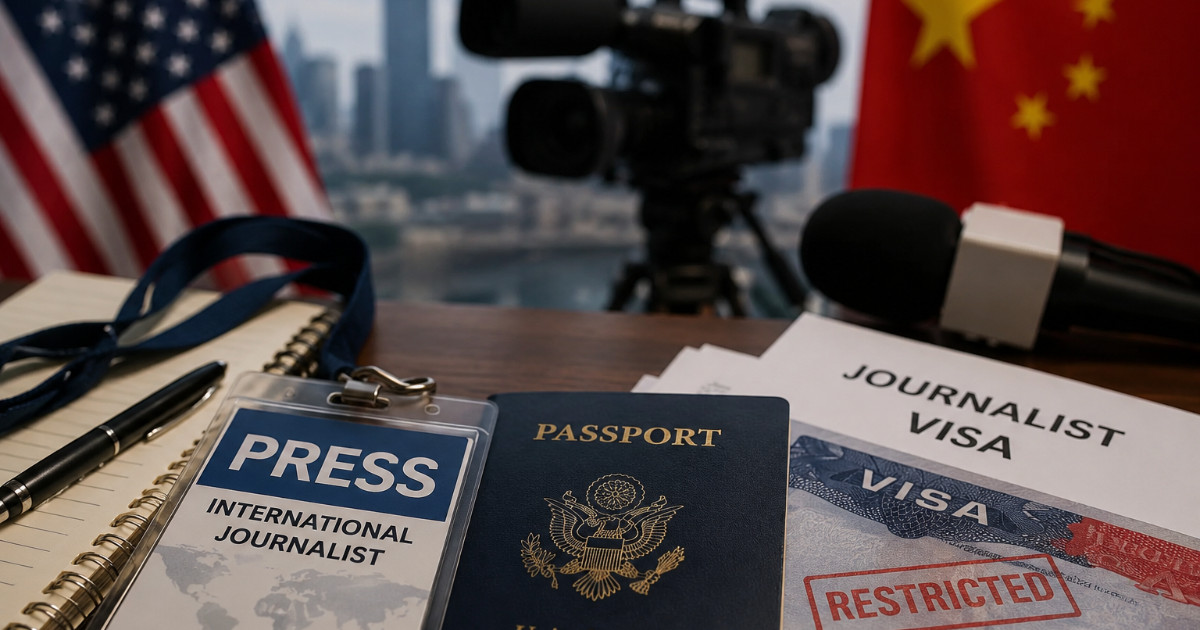

Europe criticizes US visa bans over digital speech dispute
JournalismPakistan.com | Published: 25 December 2025 | JP Global Monitoring Desk
Join our WhatsApp channel
The US has imposed visa bans on five European digital policy figures, including Thierry Breton, raising concerns among European leaders. They believe these bans threaten freedom of expression and could escalate political tensions regarding online speech regulation.Summary
BRUSSELS — European political leaders have criticized a decision by the United States to impose visa bans on several European digital policy figures, warning that the move risks escalating tensions over online speech and technology regulation.
The restrictions target five European figures involved in digital and media policy, including former European Union commissioner Thierry Breton, according to reporting by Reuters and The Guardian. US officials accused the individuals of promoting policies that restrict American viewpoints online, linking the decision to ongoing disagreements over the EU Digital Services Act.
France and Germany issued statements expressing concern that the visa bans could undermine freedom of expression rather than protect it. Officials in Paris said the measure politicizes regulatory debates that should be resolved through dialogue, while Berlin cautioned against conflating content moderation rules with censorship.
EU reaction and political context
The European Commission said it regretted the US decision and stressed that the Digital Services Act is designed to ensure transparency and accountability for online platforms, not to suppress lawful speech. Commission representatives emphasized that the law applies equally to European and non-European companies operating in the EU.
The dispute reflects deeper differences between Washington and Brussels over how governments should regulate social media platforms, misinformation, and harmful content. While US policymakers often frame the issue as one of free speech, European regulators argue that clear rules are necessary to protect users and democratic processes.
Implications for media and tech governance
Media analysts note that the visa bans highlight how digital policy has become a core diplomatic issue, intersecting with press freedom, platform governance, and international trade. The episode underscores the growing role of content moderation laws in shaping cross-border relations.
European officials warned that continued escalation could complicate cooperation on global technology standards, including artificial intelligence oversight and platform transparency. Several lawmakers called for renewed transatlantic talks to prevent regulatory disputes from spilling into broader political conflicts.
ATTRIBUTION: Reporting based on verified summaries and coverage by Reuters and The Guardian
Key Points
- The United States imposed visa bans on five European digital policy figures, including former EU commissioner Thierry Breton.
- European governments said the move risks undermining freedom of expression and diplomatic cooperation.
- The dispute centers on disagreements over the EU Digital Services Act and content moderation rules.
- Media governance and online speech regulation are increasingly shaping international relations.
- Renewed transatlantic talks are suggested to prevent regulatory disputes from escalating.
Relevant Topics
Ask AI: Understand this story your way
AI EnabledDig deeper, ask anything — get instant context, background, and clarity.
Disclaimer: This feature is powered by AI and is intended to help readers explore and understand news stories more easily. While we strive for accuracy, AI-generated responses may occasionally be incomplete or reflect limitations in the underlying model. This feature does not represent the editorial views of JournalismPakistan. For our full, verified reporting, please refer to the original article.