
Judge blocks US detention of British anti-disinformation activist
JournalismPakistan.com | Published: 26 December 2025 | JP Global Monitoring Desk
Join our WhatsApp channel
A U.S. federal judge granted an injunction preventing the detention of Imran Ahmed, a British anti-disinformation activist. This ruling pauses immigration enforcement actions while his legal case is under review.Summary
WASHINGTON D.C. — A US federal judge on December 25 granted an injunction blocking the detention of British anti-disinformation activist Imran Ahmed, temporarily halting immigration enforcement actions while the court reviews his legal challenge. The ruling prevents authorities from detaining or deporting Ahmed pending further proceedings.
The case centers on visa and deportation threats faced by Ahmed, a prominent campaigner against online disinformation whose work has drawn both support and criticism in policy and media circles. His lawyers argued that any detention would cause irreparable harm and raised concerns about due process and free expression protections.
Legal challenge and court reasoning
In granting the injunction, the judge found that the balance of harms favored maintaining the status quo until the underlying legal questions could be fully examined. Court filings indicate the judge was persuaded that immediate detention could interfere with Ahmed’s advocacy and professional activities, including engagement with journalists and researchers.
The ruling does not resolve the merits of the immigration dispute but pauses enforcement actions, signaling judicial caution in cases where immigration law intersects with speech-related advocacy. The US government has not publicly detailed its full rationale for the threatened enforcement action in court documents released so far.
Implications for journalists and digital rights
Media law experts note that the case has broader implications for journalists, researchers, and digital rights advocates who operate internationally. Anti-disinformation work often involves criticism of powerful platforms and political actors, increasing exposure to legal and regulatory pressure across borders.
While the injunction is limited in scope, it underscores growing legal scrutiny around global digital speech, content moderation advocacy, and the protections available to non-citizens engaged in media-related work in the United States. Observers say the outcome of the case could influence how future disputes at the intersection of immigration enforcement and information policy are handled.
ATTRIBUTION: Reporting based on U.S. federal court filings and publicly available legal records, with additional context from media law and digital rights experts.
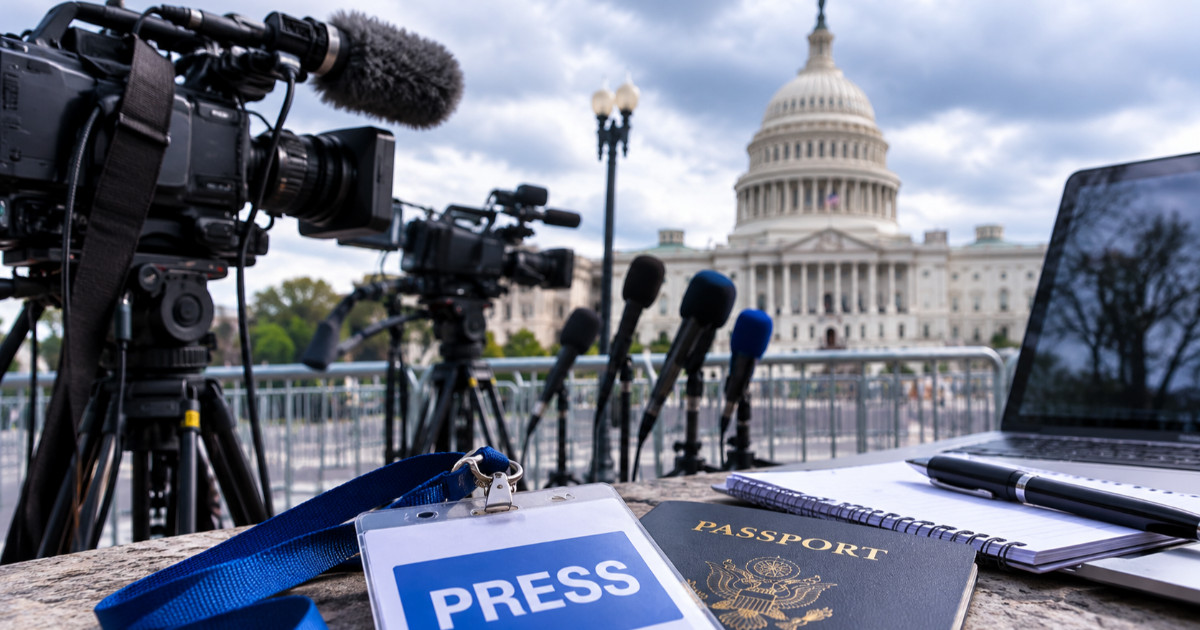
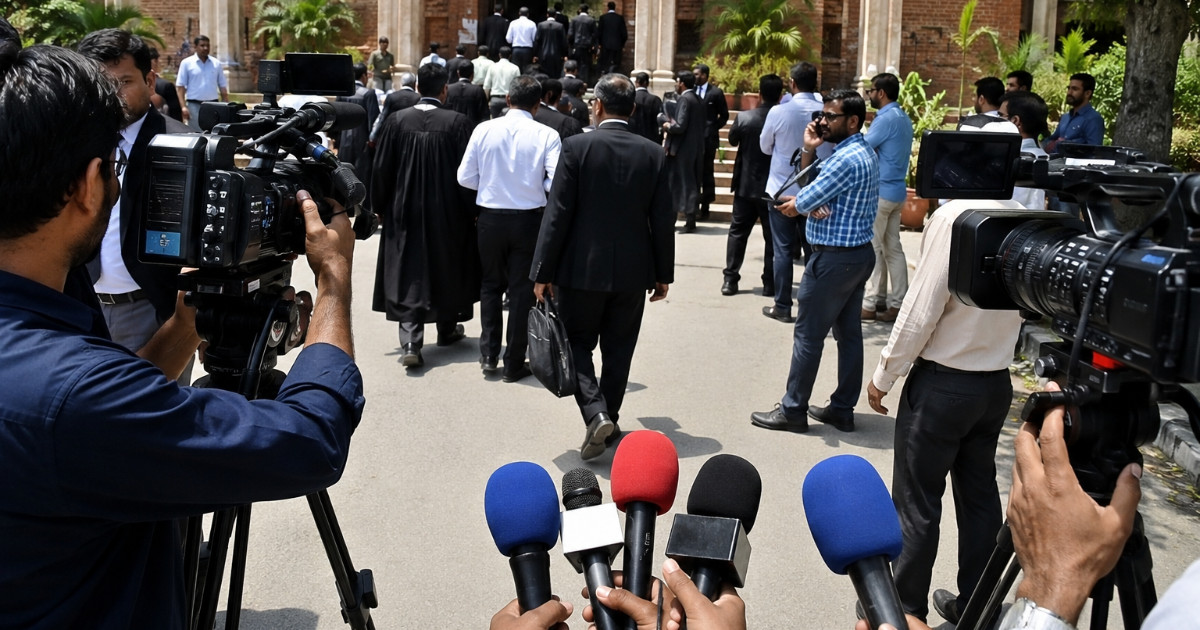
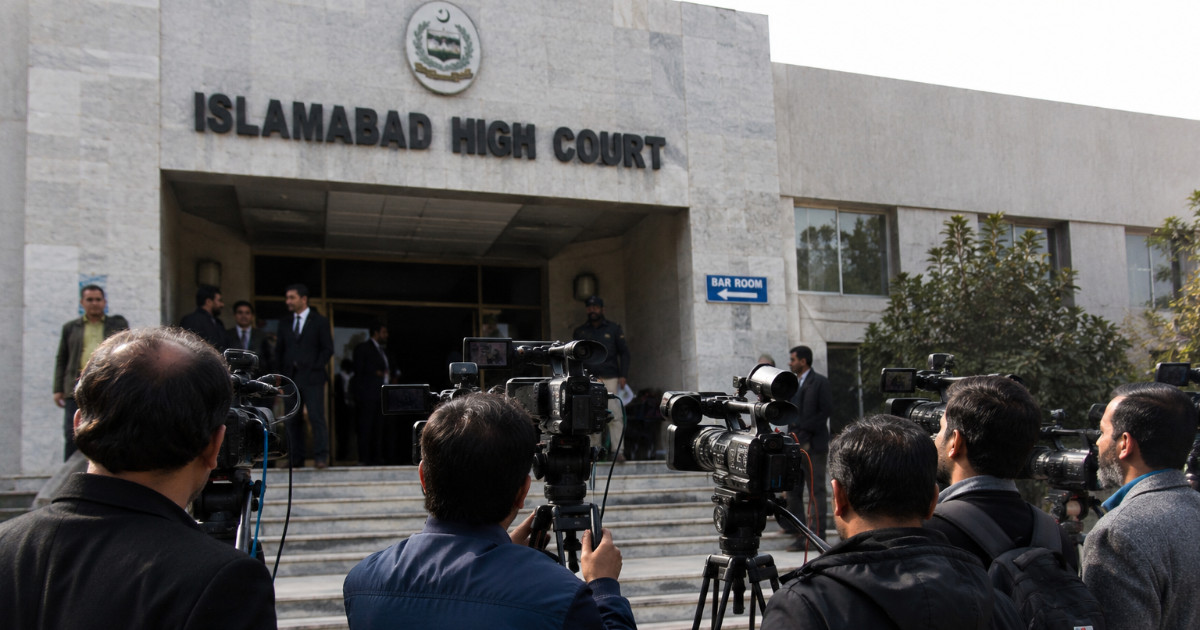
PHOTO: AI-generated; for illustrative purposes only
Key Points
- A U.S. federal judge granted an injunction on December 25, blocking the detention of Imran Ahmed.
- The order pauses deportation or detention while the court reviews the legal challenge.
- The case involves visa enforcement and alleged threats of removal.
- Media and digital rights advocates are closely watching the implications for cross-border speech.
- The ruling maintains the status quo without deciding the merits of the case.
Relevant Topics
Ask AI: Understand this story your way
AI EnabledDig deeper, ask anything — get instant context, background, and clarity.
Disclaimer: This feature is powered by AI and is intended to help readers explore and understand news stories more easily. While we strive for accuracy, AI-generated responses may occasionally be incomplete or reflect limitations in the underlying model. This feature does not represent the editorial views of JournalismPakistan. For our full, verified reporting, please refer to the original article.