.png)
Why journalists disappear and what international law says
JournalismPakistan.com | Published: 4 August 2026 | JP Special Report
Join our WhatsApp channel
Recent reports of journalists going missing have focused attention on the legal concept of 'enforced disappearance', which under the International Convention involves state involvement and concealment of a person's fate. It creates urgent duties for states.Summary
ISLAMABAD — Recent reports of journalists allegedly going missing in several countries have renewed attention to a term often used by human rights organizations: enforced disappearance. The phrase has a specific meaning under international law and is not interchangeable with arrest, detention, or kidnapping.
For journalists, understanding these distinctions matters because the legal obligations of governments differ depending on what has happened. International treaties and human rights standards impose particularly serious responsibilities on states when a disappearance qualifies as an enforced disappearance.
What is an enforced disappearance?
Under the International Convention for the Protection of All Persons from Enforced Disappearance, an enforced disappearance occurs when a person is arrested, detained, abducted, or otherwise deprived of liberty by state officials, or by individuals acting with the authorization, support, or acquiescence of the state, followed by a refusal to acknowledge the detention or disclose the person's fate or whereabouts.
Three elements generally distinguish an enforced disappearance:
A person is deprived of liberty.
State authorities, or those acting with state backing, are involved.
Authorities deny or conceal what happened, placing the person outside the protection of the law.
International law treats enforced disappearance as a continuing violation because it persists until the person's fate or whereabouts are clarified. When carried out as part of a widespread or systematic attack against civilians, it may amount to a crime against humanity under the Rome Statute of the International Criminal Court.
How is it different from arrest or detention?
An arrest is the formal act of taking someone into custody under legal authority, usually because authorities suspect a criminal offense or need to execute a court order. Laws generally require that the grounds for arrest be communicated and that procedural safeguards be respected.
Detention refers to keeping a person in custody after arrest or under another legal authority. International human rights law requires detainees to have access to legal counsel, family contact, judicial review, and protection from torture or ill-treatment. Secret or incommunicado detention can violate international law and, depending on the circumstances, may amount to an enforced disappearance.
An enforced disappearance goes further than unlawful detention. It involves concealing the person's whereabouts or denying that authorities are holding them, preventing legal protections from operating.
Why are journalists especially vulnerable?
Journalists investigating corruption, organized crime, conflict, national security, or political issues may face heightened risks in some countries. Human rights organizations have documented cases in which reporters, photographers, bloggers, and media workers have allegedly been subjected to arbitrary detention, secret detention, or enforced disappearance.
Organizations such as the Committee to Protect Journalists (CPJ), Amnesty International, and Reporters Without Borders frequently urge governments to disclose detainees' whereabouts, provide access to lawyers and families, investigate alleged disappearances, and hold those responsible accountable. Their findings, however, are advocacy positions and do not themselves establish legal responsibility in individual cases.
What obligations do states have?
States that are party to the International Convention on Enforced Disappearances undertake a range of obligations, including:
Criminalizing enforced disappearance in domestic law
Promptly investigating allegations
Searching for missing persons
Maintaining accurate detention registers
Allowing detainees access to lawyers, families, and medical care
Prosecuting those responsible where evidence supports criminal charges
Providing victims and families with truth, justice, and appropriate reparations.
Even countries that have not ratified the convention remain bound by other international human rights obligations, including protections against arbitrary detention, torture, and unlawful deprivation of liberty under broader human rights treaties.
What role do the United Nations and human rights groups play?
The United Nations Committee on Enforced Disappearances monitors implementation of the convention by states that have ratified it. It reviews government reports, considers certain complaints where jurisdiction has been accepted, and issues recommendations on improving compliance.
The UN Working Group on Enforced or Involuntary Disappearances also receives information about alleged cases from around the world and communicates with governments in an effort to clarify the fate or whereabouts of missing persons.
Organizations including CPJ and Amnesty International document alleged cases, publish reports, advocate for investigations, and campaign for the release or disclosure of missing journalists. While these organizations are influential, they do not make judicial findings or determine criminal liability.
Why can terminology matter?
Using the correct legal terminology helps avoid confusion.
A journalist who is publicly arrested under a court order is not necessarily the victim of an enforced disappearance, even if the arrest is disputed.
Similarly, a journalist reported missing is not automatically a victim of an enforced disappearance unless there is evidence that the legal definition is met, including state involvement and concealment of the person's fate or whereabouts.
Because the term carries specific legal consequences, responsible reporting should distinguish between confirmed facts, allegations made by advocacy groups, official government statements, and court findings.
What should journalists keep in mind when reporting?
News organizations should:
Clearly attribute allegations of enforced disappearance
Avoid presenting unverified claims as fact
Distinguish between arrest, detention, kidnapping, and enforced disappearance
Report official responses alongside allegations whenever available
Update stories as new verified information emerges.
Precise language helps readers understand both the legal issues involved and the seriousness of the allegations.
What happens next?
International attention to alleged enforced disappearances continues to grow as governments, courts, UN bodies, and civil society organizations face increasing pressure to investigate unresolved cases. Digital evidence, detention records, satellite imagery, and open-source investigations are also becoming more important in documenting allegations and establishing timelines.
Although international law establishes standards, enforcement largely depends on national authorities, independent courts, international cooperation, and sustained public scrutiny.
Why this matters
Journalists frequently report on arrests, detentions, and disappearances, but these terms are not legally interchangeable. Understanding the differences improves accuracy, reduces legal risk, and helps newsrooms report responsibly on sensitive human rights cases. It also enables audiences to better assess official statements and advocacy claims.
Key takeaways
Enforced disappearance has a precise definition under international law.
Not every arrest or detention amounts to an enforced disappearance.
States have legal obligations to investigate alleged disappearances, protect detainees, and disclose their whereabouts.
Human rights organizations document and advocate on cases but do not determine criminal liability.
Accurate terminology strengthens responsible journalism and public understanding.
ATTRIBUTION: Reporting by JournalismPakistan, based on publicly available laws, official documents, court records, regulatory notices, academic research, and reporting from credible news organizations where applicable.
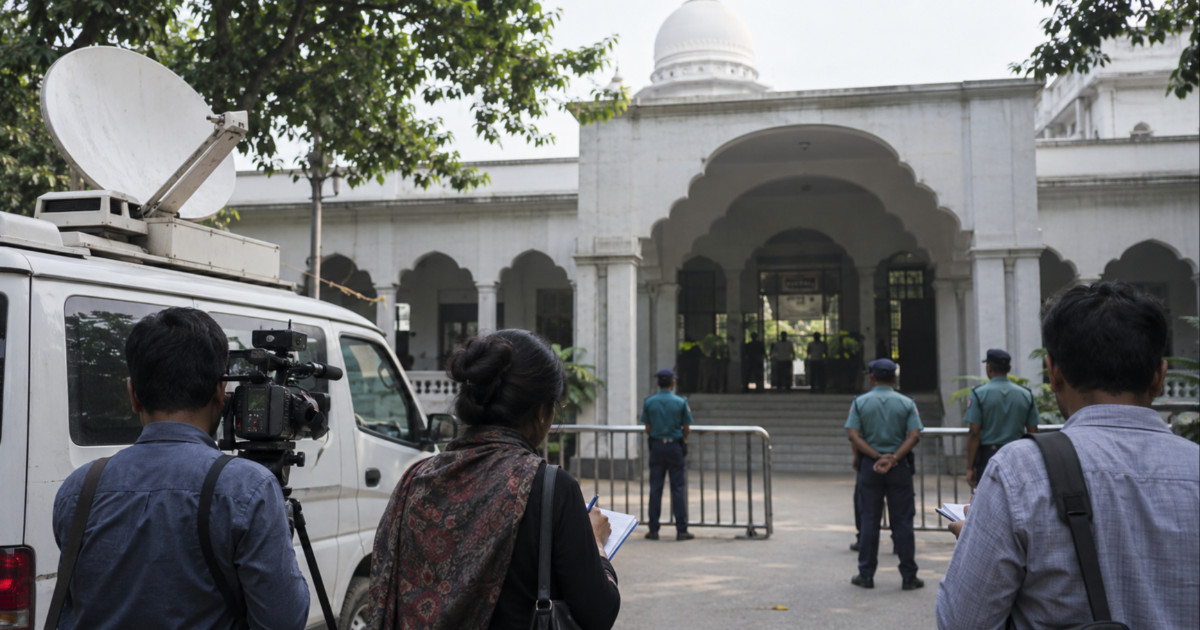
PHOTO: AI-generated; for illustrative purposes only.
Key Points
- Enforced disappearance is distinct from ordinary arrest, detention, or kidnapping under international law.
- Three elements define it: deprivation of liberty, state involvement or acquiescence, and concealment or denial.
- It is treated as a continuing violation until the person's fate or whereabouts are clarified.
- If widespread or systematic, it may amount to a crime against humanity.
- When it qualifies as enforced disappearance, states incur heightened investigative, disclosure and remedial obligations.
Key Questions & Answers
What is an enforced disappearance?
An enforced disappearance happens when a person is deprived of liberty by state agents or those acting with state support, and the authorities refuse to acknowledge the detention or conceal the person's fate or whereabouts.
How is it different from arrest or kidnapping?
Arrest or kidnapping may involve deprivation of liberty, but enforced disappearance specifically includes state involvement or acquiescence plus denial or concealment that places the person outside legal protection.
What obligations do states have under international law?
States must investigate, disclose information, search for the disappeared, prosecute responsible parties, and provide remedies; obligations intensify when disappearances are systematic or widespread.
Why does this matter for journalists?
Understanding the legal distinction affects the remedies, protections and international duties that apply when a journalist goes missing and can shape advocacy and legal responses.
Relevant Topics
Ask AI: Understand this story your way
AI EnabledDig deeper, ask anything — get instant context, background, and clarity.
Disclaimer: This feature is powered by AI and is intended to help readers explore and understand news stories more easily. While we strive for accuracy, AI-generated responses may occasionally be incomplete or reflect limitations in the underlying model. This feature does not represent the editorial views of JournalismPakistan. For our full, verified reporting, please refer to the original article.