
Trump media lawsuits face growing setbacks
JournalismPakistan.com | Published: 4 August 2026 | JP Global Monitoring
Join our WhatsApp channel
U.S. courts and major media are pushing back against President Trump's legal actions: the Justice Department withdrew subpoenas for New York Times journalists and judges have dismissed or criticized lawsuits, renewing focus on press protections and legal limits.Summary
NEW YORK — Recent courtroom developments suggest President Donald Trump's legal campaign against major U.S. news organizations is becoming increasingly difficult to sustain, as judges challenge government actions and media companies mount stronger legal defenses.
In recent months, judges have questioned government actions affecting journalists, defamation cases against major news organizations have encountered procedural and legal hurdles, and media companies have adopted more aggressive courtroom strategies to contest claims against them. While the cases differ in substance, together they point to mounting judicial scrutiny of efforts to use litigation as a tool against the press.
Courts scrutinize legal tactics
During a recent hearing, Justice Department attorneys acknowledged procedural errors, including failures to follow internal requirements that subpoenas targeting journalists be used only as a last resort. The government withdrew the demands but said its broader leak investigation remains active. Press freedom advocates described the outcome as an important reaffirmation of First Amendment protections for journalists and confidential sources.
Trump has also faced setbacks in other high-profile defamation litigation. Earlier this year, a federal judge dismissed his $10 billion lawsuit against The Wall Street Journal, ruling that the complaint failed to plausibly establish the "actual malice" standard required under U.S. defamation law for public figures. The ruling represented one of the administration's most significant courtroom defeats in its legal battles with the news media.
Pressure beyond courtroom victories
Legal experts say the significance of these cases extends beyond whether Trump ultimately prevails. They argue that prolonged litigation can impose substantial legal costs and consume newsroom resources, potentially creating a chilling effect even when media organizations eventually succeed in court.
That broader concern has gained attention as multiple major news organizations, including ABC, CBS, The New York Times, The Wall Street Journal, and The Washington Post, have either defended themselves against lawsuits or challenged government subpoenas during Trump's second term. While some earlier disputes resulted in settlements, more recent cases have increasingly encountered judicial skepticism or procedural obstacles.
Another closely watched case involves Trump's $10 billion lawsuit against the BBC over what he alleges was misleading editing of one of his speeches in a documentary. Rather than seeking an early resolution, the broadcaster has reportedly demanded financial records from Trump's legal team to substantiate his claimed damages. Legal observers say such aggressive discovery requests may become more common as media organizations seek to challenge large damages claims through detailed examination of plaintiffs' evidence.
Implications for press freedom
The legal battles are unfolding amid continuing debate over press freedom and the relationship between government and the news media in the United States. Organizations advocating for journalists have warned that subpoenas targeting reporters and efforts to compel disclosure of confidential sources can discourage investigative reporting on matters of public interest.
Although the recent court decisions do not prevent future legal action against news organizations, they suggest that federal judges remain willing to closely examine attempts to compel journalists' testimony or weaken long-established protections for the press. For media companies, the rulings provide some reassurance that constitutional safeguards remain an important check on government efforts to obtain reporters' records or challenge newsroom reporting through expansive litigation.
ATTRIBUTION: Based on publicly available court proceedings, filings, and reporting by Reuters, ABC News, CBS News, The Washington Post, and other credible media published through August 2026.
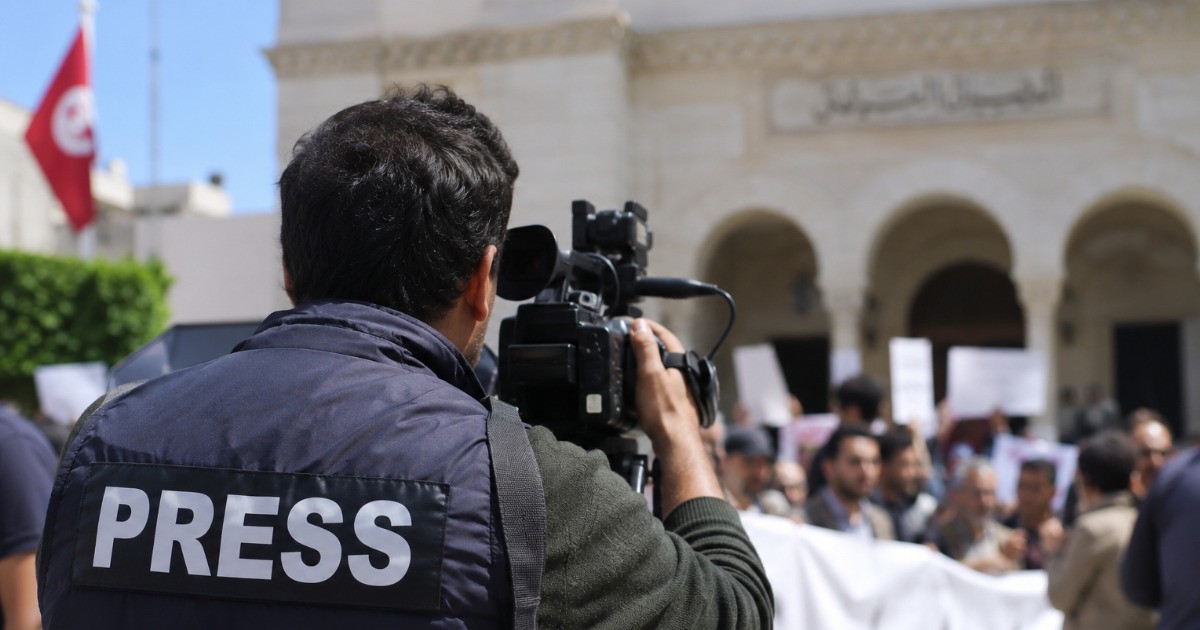
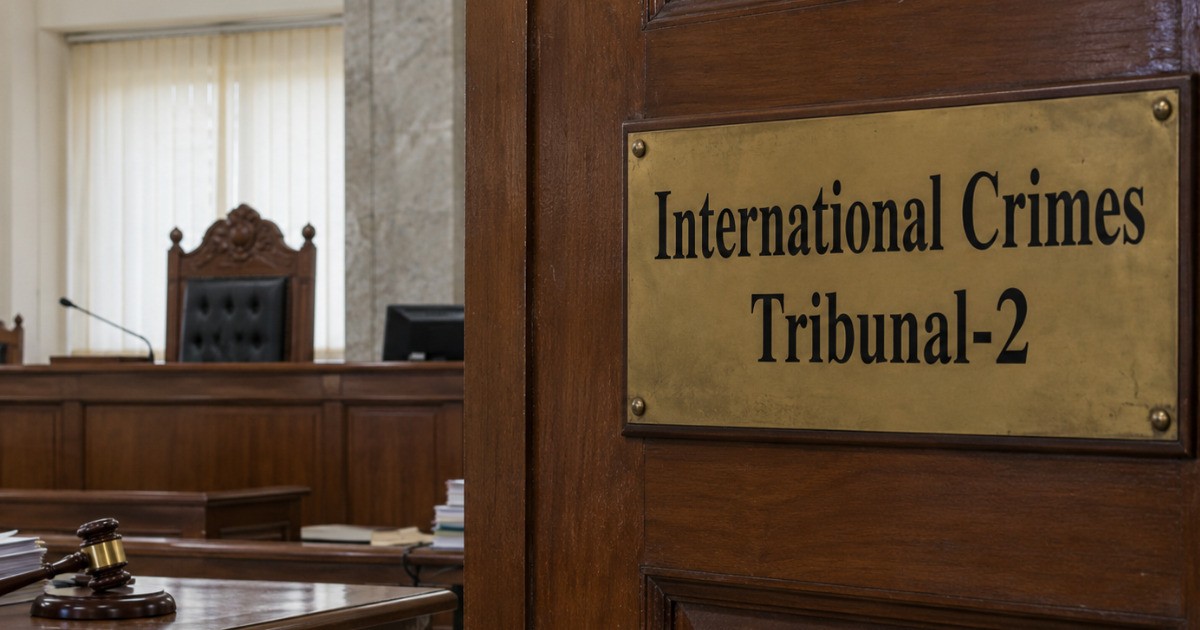
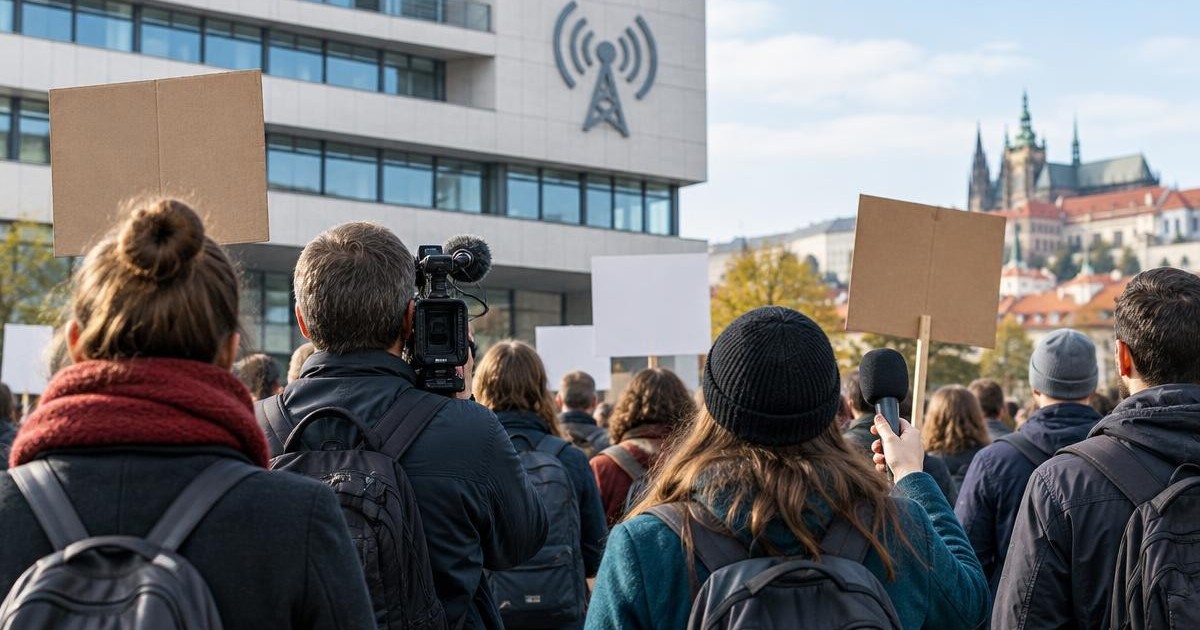
PHOTO: AI-generated; for illustrative purposes only.
Key Points
- The Justice Department withdrew subpoenas seeking testimony and phone records from New York Times journalists.
- A federal judge sharply criticized the government and signalled he would quash the subpoenas if not withdrawn.
- Government lawyers acknowledged procedural errors, including failing to treat journalist subpoenas as a last resort.
- Officials say the broader leak investigation remains active despite the withdrawal of demands.
- Other high-profile suits by Trump, including a $10 billion defamation case, have faced dismissals for failing to meet legal standards.
Key Questions & Answers
Why were subpoenas withdrawn from New York Times journalists?
The Justice Department withdrew the subpoenas after a federal judge criticised the demands and government lawyers acknowledged procedural errors in seeking testimony and phone records.
What did the judge say about the subpoenas?
U.S. District Judge Arun Subramanian described the subpoenas as inconsistent with protections for journalists and indicated he would quash them if they were not withdrawn.
Does the withdrawal end the leak investigation?
No. Officials said the broader investigation into leaks remains active even though the specific subpoenas were withdrawn.
Have other legal actions by Trump faced setbacks?
Yes. Courts have dismissed or criticised high-profile cases, including a $10 billion defamation suit that failed to plausibly allege actual malice.
Ask AI: Understand this story your way
AI EnabledDig deeper, ask anything — get instant context, background, and clarity.
Disclaimer: This feature is powered by AI and is intended to help readers explore and understand news stories more easily. While we strive for accuracy, AI-generated responses may occasionally be incomplete or reflect limitations in the underlying model. This feature does not represent the editorial views of JournalismPakistan. For our full, verified reporting, please refer to the original article.