
The most popular JournalismPakistan stories of 2025 explained
JournalismPakistan.com | Published: 31 December 2025 | JP Staff Report
Join our WhatsApp channel
In 2025, JournalismPakistan's top stories reflected critical themes such as media confrontation and the impact of mental health in sports. The articles also explored the challenges of a new news channel and the revival of a journalist's digital legacy.Summary
ISLAMABAD— In 2025, JournalismPakistan’s most-read stories reflected a media landscape shaped by confrontation, credibility crises, ambition, and memory. From viral overseas incidents to deeply personal digital revivals, these stories drew sustained attention from a media-aware Pakistani audience.
Together, the five most popular reads offered a snapshot of the pressures facing journalists, broadcasters, and public figures. They also revealed how questions of accountability, safety, performance, and legacy continue to define Pakistan’s media conversation.
Confrontation, criticism, and legal pressure
One of the most widely read stories of the year centered on a viral video showing senior television anchor Shahzeb Khanzada being confronted by a man in Canada who accused him of biased reporting. The confrontation quickly spread online, triggering intense debate within Pakistan’s media and political circles. The individual later threatened legal action in Canada against Khanzada and his wife, alleging that sharing his images and details had endangered him. Pakistan’s information minister publicly condemned the harassment, while journalists debated the implications for press freedom, cross-border safety, and accountability in the age of viral video.
The episode resonated because it illustrated how Pakistani journalists now face scrutiny and confrontation beyond national borders. It also highlighted unresolved questions about criticism, personal security, and the legal risks media professionals encounter in a globally connected environment.
Pressure, performance, and public expectation
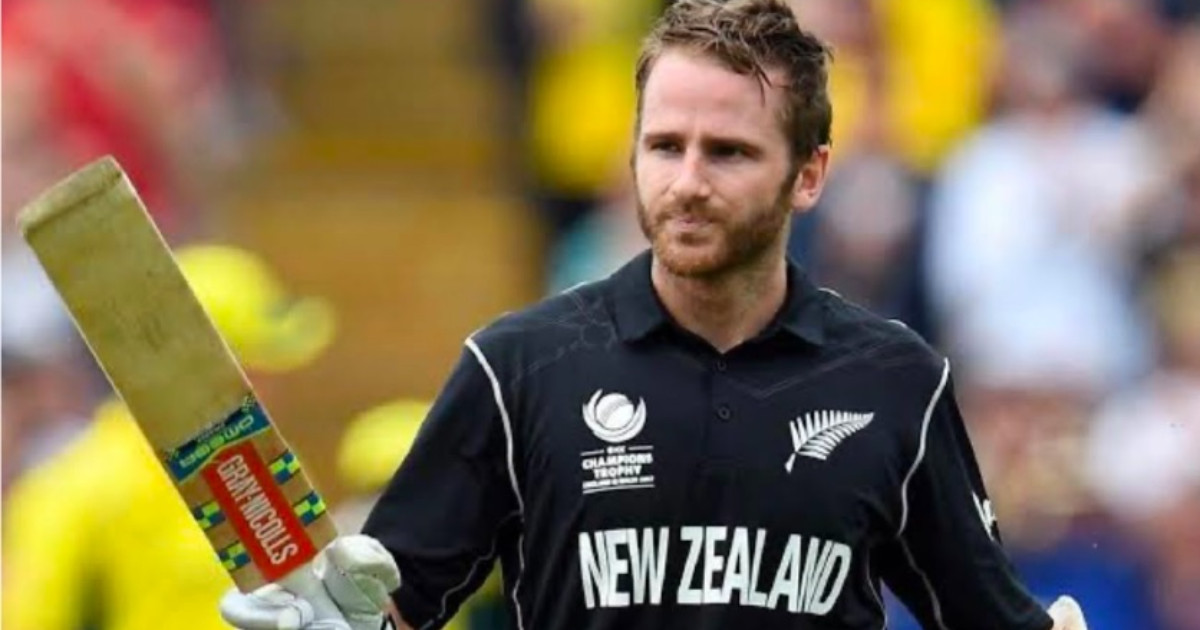
Another highly read piece shifted the focus from newsrooms to stadiums, examining Pakistan cricket star Babar Azam’s prolonged slump in form. Rather than centering only on statistics, the story explored the psychological pressure faced by a national icon operating under constant public expectation. Readers engaged heavily with the analysis of confidence, technique, leadership, and mental fatigue at the highest level of sport.
The story struck a chord because cricket remains deeply intertwined with national identity. By linking performance struggles to mental health and professional pressure, the piece expanded the conversation beyond wins and losses to the human cost of elite competition.
Ambition and risk in a crowded news market
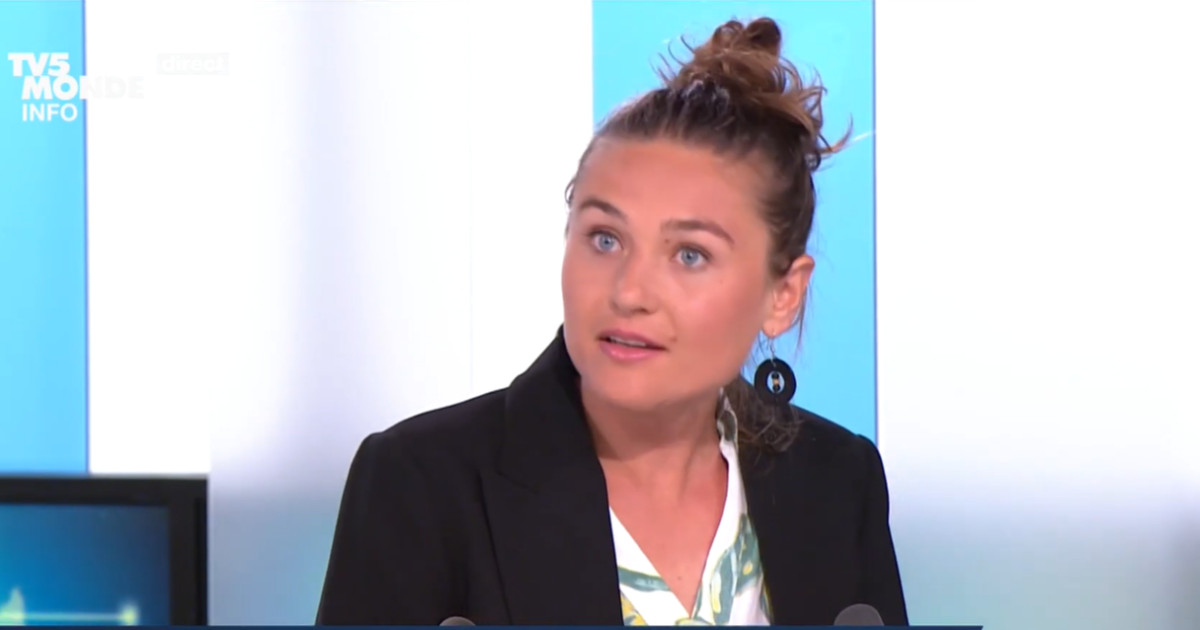
Media industry readers were drawn to coverage of AsiaOne, a newly launched English-language news channel that entered Pakistan’s already saturated television market in 2025. Billed as a global-style broadcaster, AsiaOne debuted from Karachi with foreign anchors and international aspirations. Early reactions, however, were mixed, with critics questioning editorial clarity, audience targeting, and the challenge of translating global formats into a local context.
The scrutiny reflected broader anxieties within Pakistan’s media sector about sustainability, relevance, and differentiation. AsiaOne’s early months became a case study in how ambition alone may not be enough in a competitive and financially strained broadcast environment.
Memory, loss, and digital legacy
One of the most emotionally resonant stories of the year involved the revival of slain journalist Arshad Sharif’s YouTube channel by his family and former colleagues. Sharif, killed in Kenya in 2022, had built a large digital following during his lifetime. The revived channel was presented not as a traditional news platform but as a space for preserving his work, reflections, and professional memory.
Driven by Sharif’s sons and longtime associates, the initiative highlighted how digital platforms allow journalists’ voices to endure beyond their lives. For many readers, it underscored the enduring bond between journalists and audiences, even after tragedy.
Global style, local realities
Closely linked to AsiaOne’s struggles, another widely read story examined the channel’s launch strategy itself. Its decision to rely on foreign anchors and position itself as an international brand drew sustained attention within media circles. Coverage explored whether such an approach could succeed in Pakistan’s unique political, cultural, and commercial media environment.
Taken together, the five most-read stories of 2025 revealed why they rose above the rest. They touched nerves around power, pressure, ambition, grief, and resilience, capturing moments when journalism intersected sharply with public emotion and consequence.
Key Points
- JournalismPakistan's top stories of 2025 reflected controversy, ambition, and memory.
- A viral Canada confrontation involving Shahzeb Khanzada sparked debate on press safety and accountability.
- Babar Azam's form slump was examined through the lens of psychological pressure.
- AsiaOne's launch highlighted the risks of global-style news in Pakistan's local market.
- Arshad Sharif's revived YouTube channel underscored the power of digital legacy.
Relevant Topics
Ask AI: Understand this story your way
AI EnabledDig deeper, ask anything — get instant context, background, and clarity.
Disclaimer: This feature is powered by AI and is intended to help readers explore and understand news stories more easily. While we strive for accuracy, AI-generated responses may occasionally be incomplete or reflect limitations in the underlying model. This feature does not represent the editorial views of JournalismPakistan. For our full, verified reporting, please refer to the original article.