
Journalism is lost in Balochistan, Freedom Network study finds
JournalismPakistan.com | Published: 28 December 2025 | JP Staff Report
Join our WhatsApp channel
A new report by Freedom Network indicates that journalism in Balochistan is heavily censored and faces threats from various actors. Pressures include violence, intimidation, and significant financial constraints on media outlets.Summary
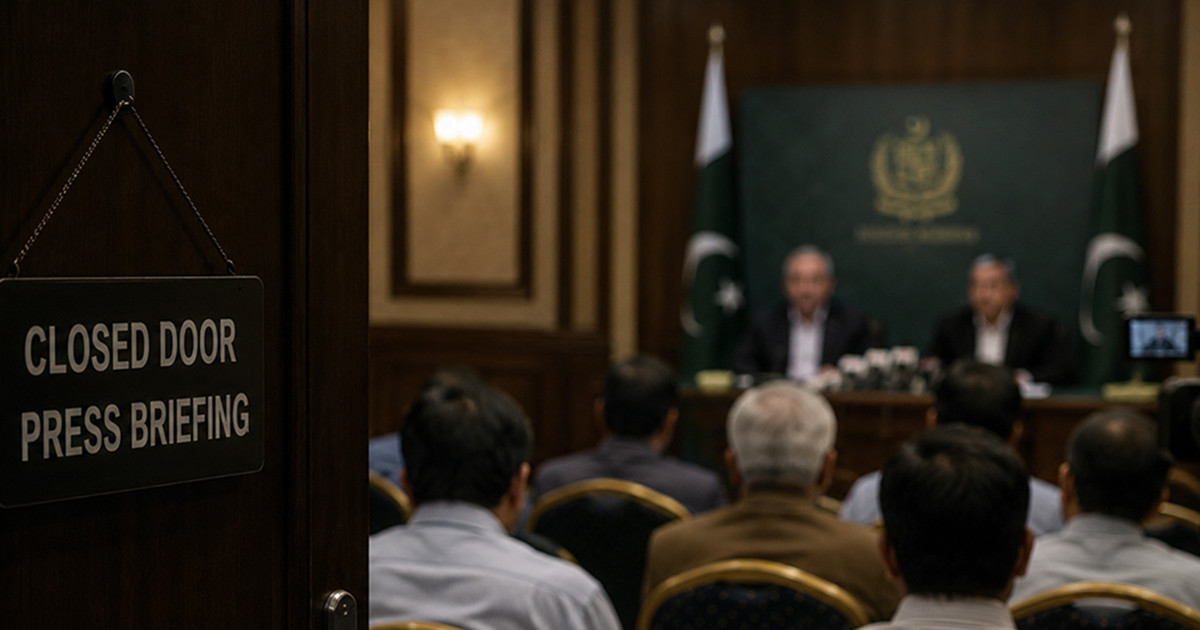
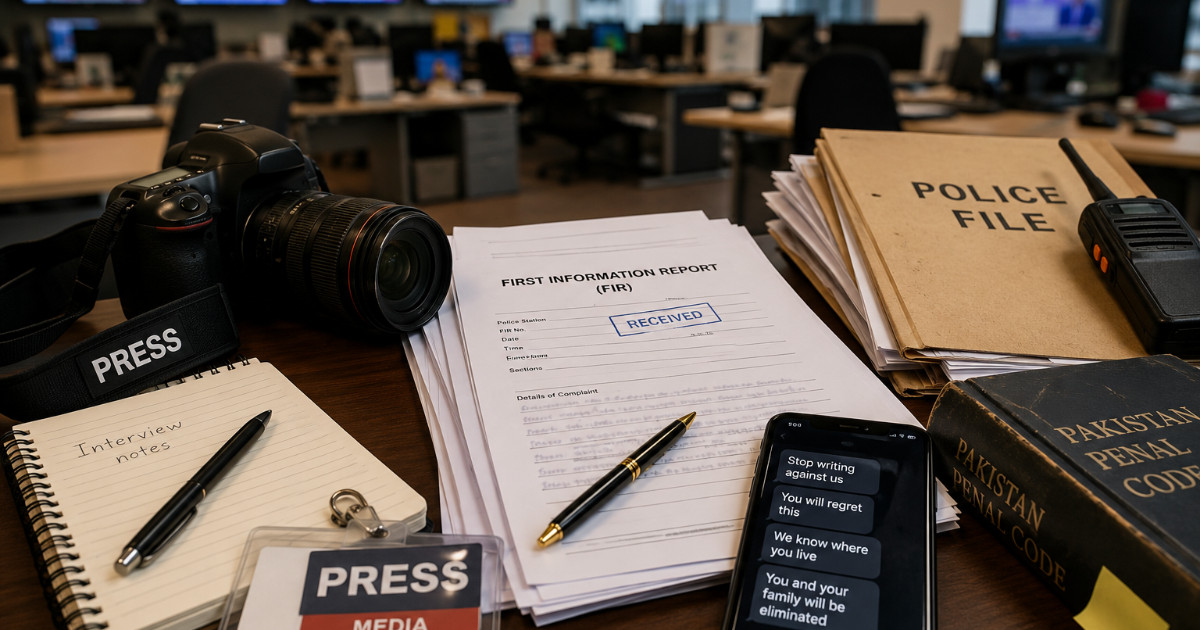
ISLAMABAD — Journalism in Pakistan’s Balochistan province is no longer free, with reporters facing sustained pressure, intimidation, and violence from multiple actors, according to a new research report released by media watchdog Freedom Network.
The study concludes that enforced and self-censorship have become widespread survival strategies for journalists in the province, significantly limiting citizens’ access to credible and independent information.
Media freedoms under sustained pressure
Titled Journalism in Balochistan: State of Media Freedoms, Access to Information and Safety of Journalists and Media Professionals in Balochistan – Way Forward, the report examines threats to free speech, legal challenges, service structures, gender dynamics, censorship, harassment, and dismissals from media employment.
The report is part of a broader Freedom Network series on media freedoms in Pakistan’s peripheral regions. Previous studies covered the Merged Tribal Districts of Khyber Pakhtunkhwa, Sindh, South Punjab, Central and Northern Punjab, Gilgit-Baltistan, and Azad Jammu and Kashmir.
A shrinking and fragile media economy
According to the findings, security conditions, governance challenges, economic constraints, and demographic realities have shaped a fragile media ecosystem in Balochistan. Local outlets remain structurally peripheral to national media agendas, digitally disadvantaged, and financially weak.
The report notes that Pakistan’s electronic media expanded rapidly after 2002 under the Pakistan Electronic Media Regulatory Authority, but Balochistan’s regional media footprint remained thin. National television channels and newspapers have reduced bureau presence in Quetta, while coverage outside the provincial capital is described as sparse or nonexistent.
The province lacks a terrestrial current affairs television channel. State-run outlets such as Pakistan Television and Radio Pakistan operate mainly from urban centers, with limited transmission reach into remote areas due to terrain and infrastructure challenges. On the private side, the Balochi-language satellite channel Vsh News operates from Karachi, while FM radio stations face coverage limits imposed by regulators that are ill-suited to Balochistan’s vast geography.
Print media remains concentrated in Quetta and is constrained by costs, distance, and low literacy rates in rural areas. Of more than 120 periodicals listed with the provincial Directorate General of Public Relations, the report estimates that only around a dozen daily newspapers have meaningful readership, with many outlets existing largely to access government advertising.
Digital divide, shutdowns, and rising risks
The report highlights a stark digital divide. While Pakistan had an estimated 116 million internet users at the start of 2025, Balochistan’s internet penetration stood at about 15 percent, with around 60 percent of the province lacking fiber connectivity.
Prolonged and localized internet shutdowns, sometimes lasting weeks or months, have further isolated communities and impeded reporting. The study cites shutdowns in districts such as Panjgur and Khuzdar as examples of how connectivity disruptions compound information gaps and create unequal digital realities within the country.
Social media has become a critical tool for newsgathering and distribution, but the report warns it also exposes journalists and citizen reporters to surveillance, content takedowns, and retaliation from both state and non-state actors.
Threats to journalists and gender barriers persist
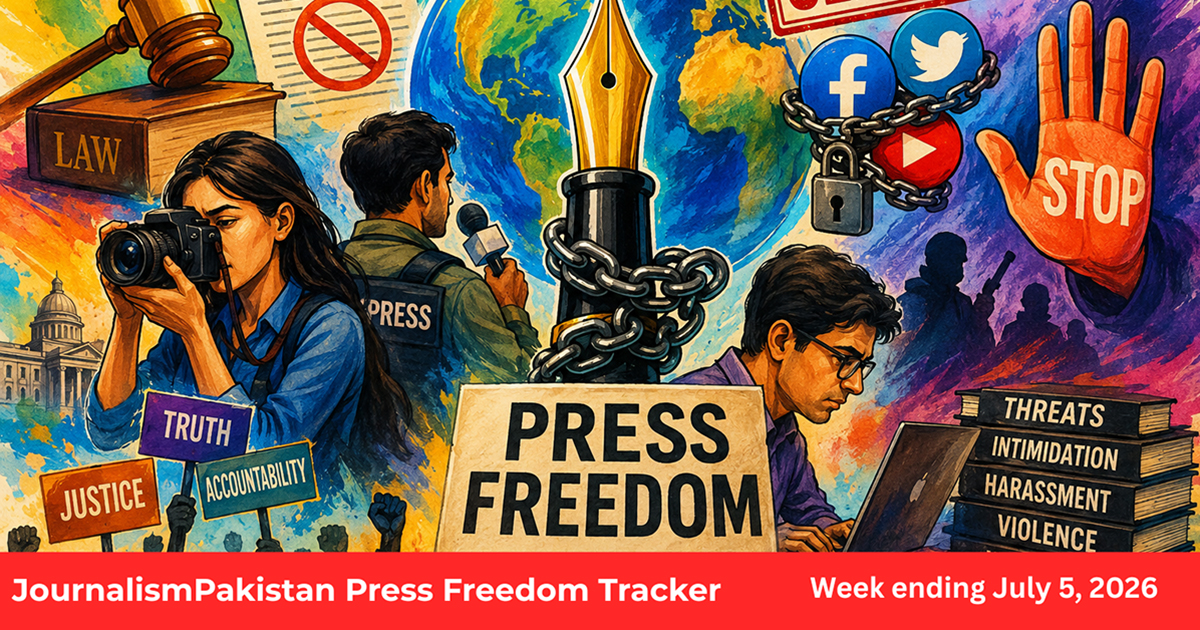
Journalists in Balochistan face threats from separatist and militant groups, security and intelligence agencies, political and tribal elites, and mobs, the report states. Over the past two decades, 40 journalists have been killed in the province, with most cases involving targeted killings and no recorded convictions.
The study also documents severe challenges for women journalists, who remain few in number and are largely confined to Quetta. According to the findings, women face restrictions on mobility, hostile field conditions, newsroom discrimination, pay gaps, lack of basic facilities, and harassment. Editors often bar women from district reporting assignments on safety grounds, reinforcing gender barriers within the profession.
Freedom Network Executive Director Iqbal Khattak said the findings should prompt urgent attention from all stakeholders. In a press release issued with the report, he said the goal was to help reverse the decline in media freedoms and improve safety so citizens can access reliable information.
ATTRIBUTION: Based on a press release and research report issued by Freedom Network on December 28, 2025.
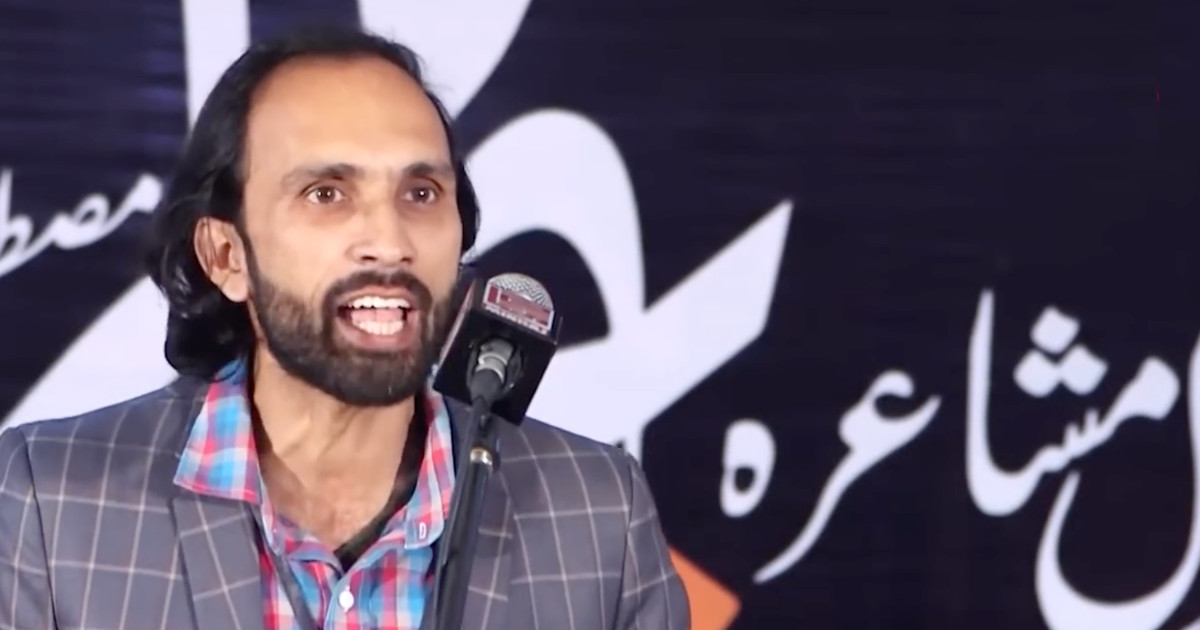
PHOTO: AI-generated; for illustrative purposes only
Key Points
- Journalism in Balochistan is severely constrained by censorship and intimidation.
- Journalists face threats from both state and non-state entities.
- Media outlets struggle with financial instability and limited resources.
- Internet shutdowns exacerbate information gaps in the province.
- Women journalists encounter significant professional and social challenges.
Relevant Topics
Ask AI: Understand this story your way
AI EnabledDig deeper, ask anything — get instant context, background, and clarity.
Disclaimer: This feature is powered by AI and is intended to help readers explore and understand news stories more easily. While we strive for accuracy, AI-generated responses may occasionally be incomplete or reflect limitations in the underlying model. This feature does not represent the editorial views of JournalismPakistan. For our full, verified reporting, please refer to the original article.