
Israel reaffirms Gaza entry ban for foreign journalists
JournalismPakistan.com | Published: 31 December 2025 | JP Middle East Desk
Join our WhatsApp channel
Israeli officials have reiterated restrictions preventing foreign journalists from entering Gaza due to security issues. This limits independent reporting and transparency during humanitarian crises.Summary
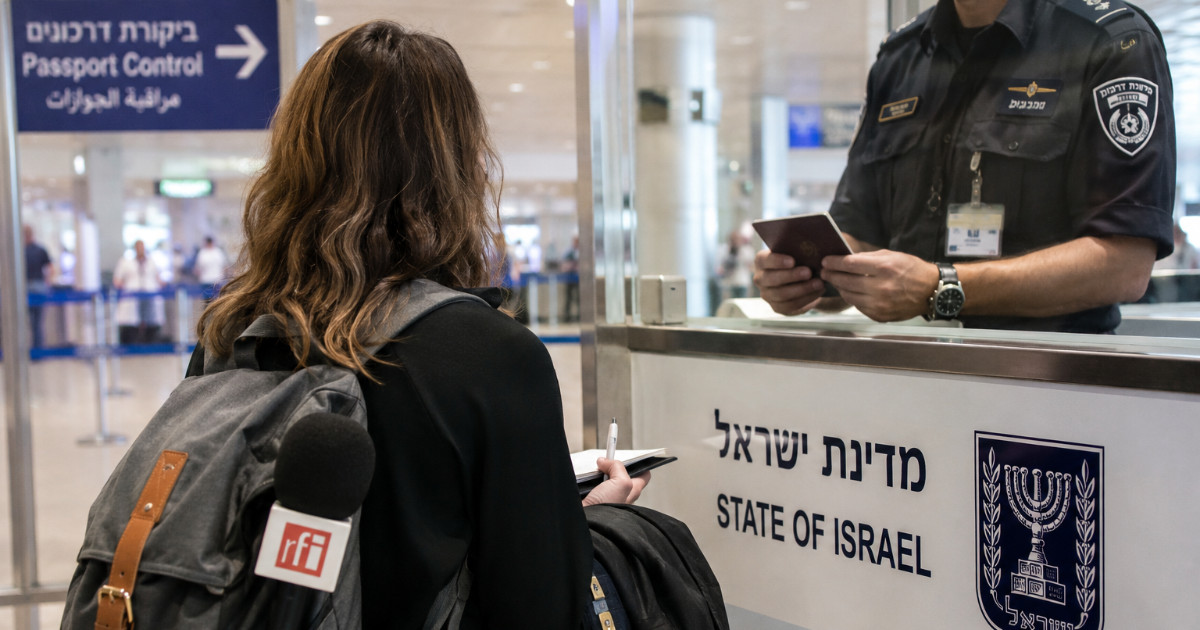
JERUSALEM — Israeli authorities have reaffirmed longstanding restrictions that prevent foreign journalists from independently entering the Gaza Strip, citing ongoing security concerns following the 2023–25 conflict. The policy continues to limit access for international media seeking to report directly from the territory.
The restrictions mean most foreign correspondents are unable to travel freely into Gaza without military coordination, which press freedom advocates say constrains independent newsgathering and editorial judgment, particularly during periods of heightened humanitarian need.
Press freedom concerns from media groups
Press freedom organizations, including the Foreign Press Association, have publicly argued that continued exclusion of foreign journalists undermines transparency and restricts the global public’s ability to receive independently verified information from Gaza. The FPA has repeatedly called for Israel to allow international media access under clear and safe arrangements.
Advocacy groups emphasize that foreign journalists play a critical role in corroborating information, providing international context, and ensuring accountability in conflict reporting. They argue that prolonged restrictions risk creating information gaps during periods of crisis.
Impact on coverage and newsroom practices
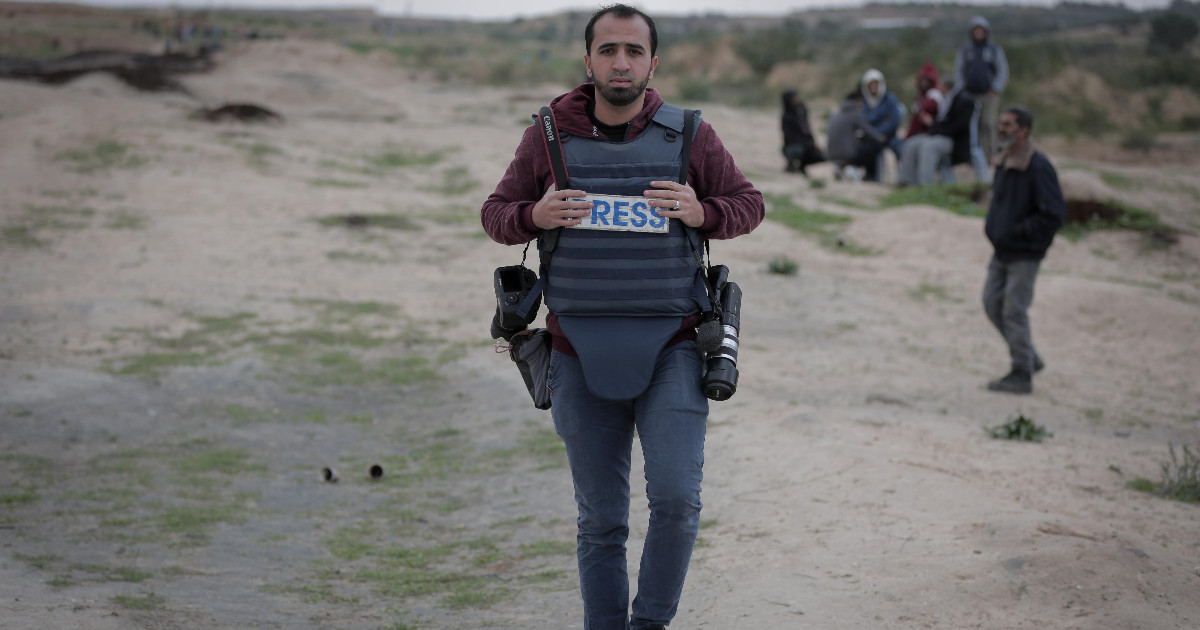
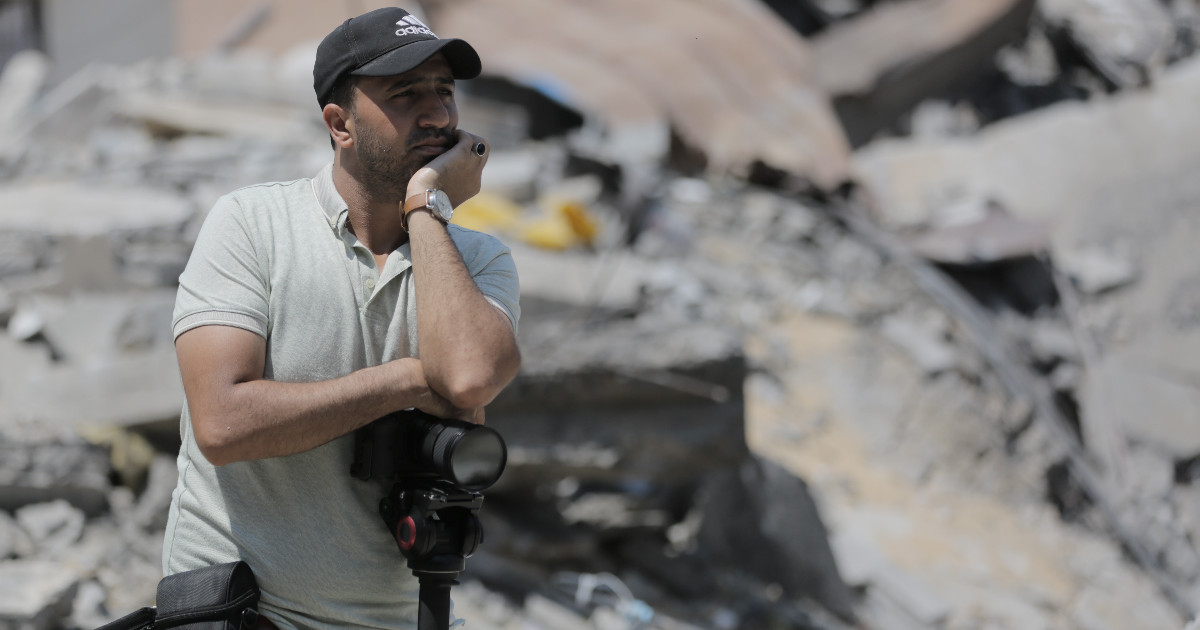
With direct access curtailed, many international media outlets covering Gaza remain reliant on local Palestinian journalists, freelance stringers, official statements, and remote reporting methods. While local reporters provide essential firsthand accounts, editors note the added pressures this places on verification, safety, and workload.
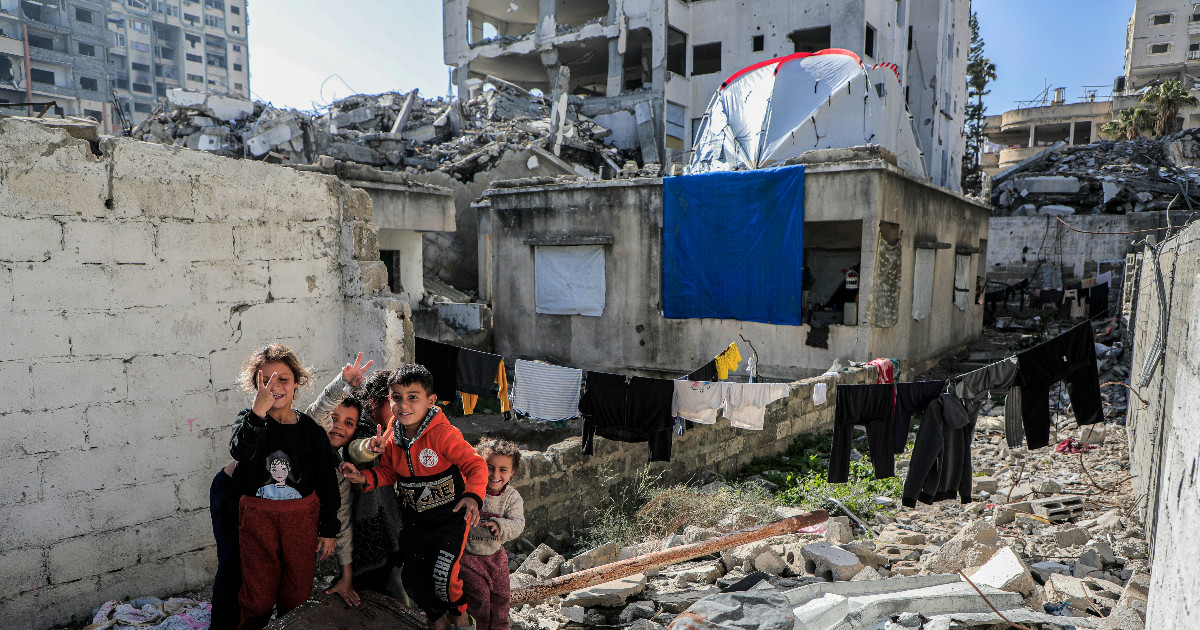
Media analysts point out that remote reporting can limit the ability of news organizations to independently confirm events on the ground, particularly in fast-moving or sensitive situations involving civilian harm or humanitarian access.
Security rationale and ongoing debate
Israeli officials maintain that the restrictions are driven by security considerations, including the safety of journalists operating in an active conflict zone. They have stated that any changes to access policies must be weighed against operational risks.
The debate over Gaza access highlights a broader global tension between national security policies and press freedom during armed conflicts, with implications for how wars are documented and understood internationally.
ATTRIBUTION: Reporting based on statements from Israeli authorities and press freedom organizations, including the Foreign Press Association, as cited in publicly available media reports.
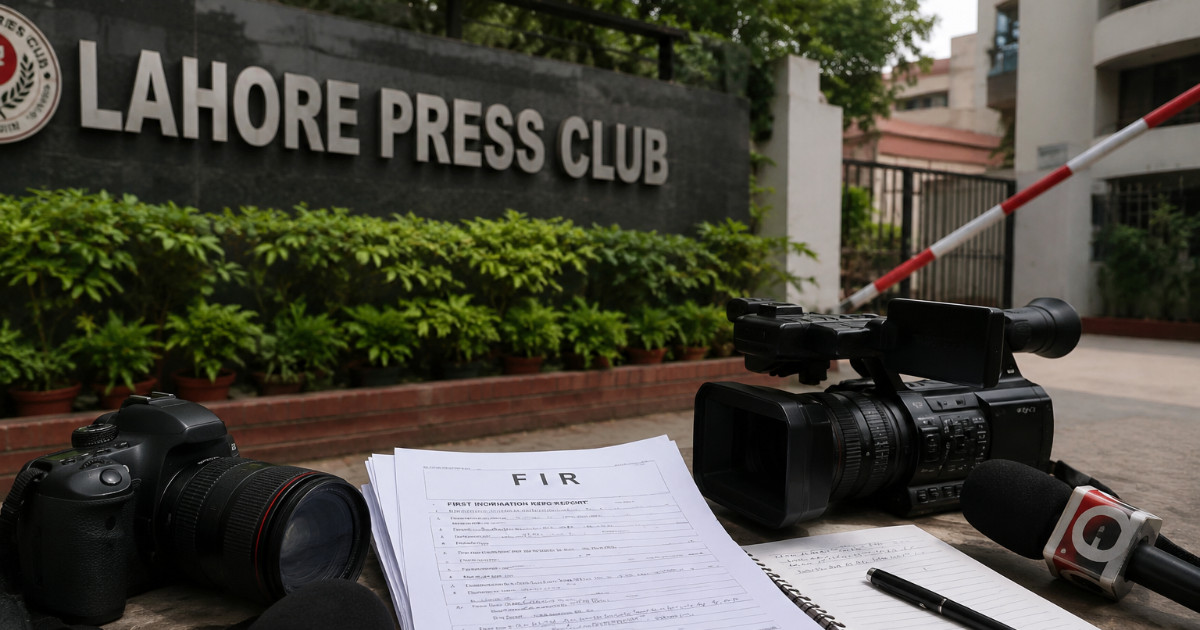
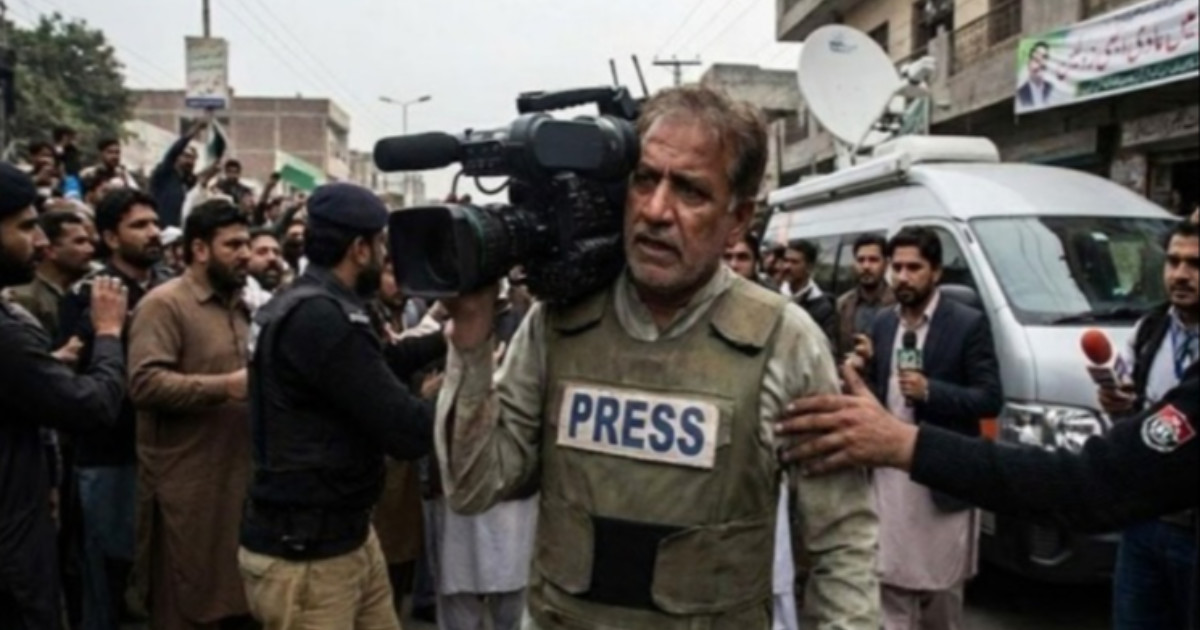
PHOTO: AI-generated; for illustrative purposes only
Key Points
- Israel has reaffirmed restrictions barring foreign journalists from independently entering Gaza
- Authorities cite security concerns linked to the aftermath of the 2023–25 conflict
- Press freedom groups say the ban limits transparency and independent reporting
- International media rely heavily on local journalists and remote reporting methods
- The issue reflects wider tensions between security policies and press freedom in conflict zones
Relevant Topics
Ask AI: Understand this story your way
AI EnabledDig deeper, ask anything — get instant context, background, and clarity.
Disclaimer: This feature is powered by AI and is intended to help readers explore and understand news stories more easily. While we strive for accuracy, AI-generated responses may occasionally be incomplete or reflect limitations in the underlying model. This feature does not represent the editorial views of JournalismPakistan. For our full, verified reporting, please refer to the original article.