

Philippine journalists oppose anti-fake news bill
JournalismPakistan.com | Published: 11 August 2026 | JP Asia Desk
Join our WhatsApp channel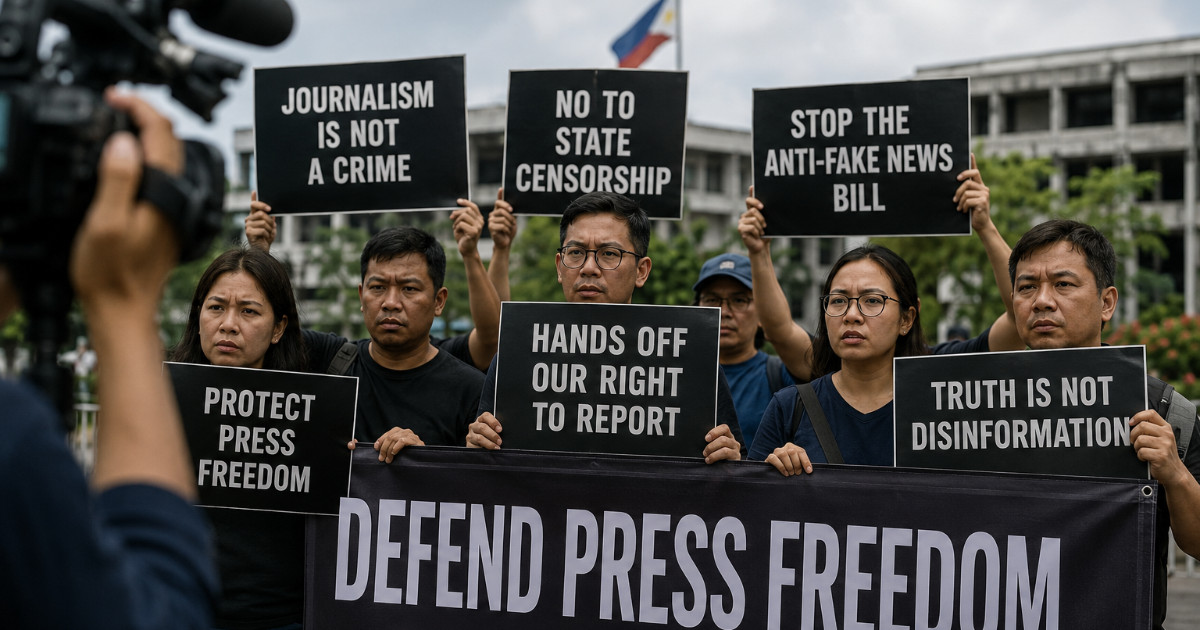
Journalists and 67 news organizations in the Philippines urged rejection of House Bill No. 9465, the Digital Media Anti-False Information Act, arguing its criminal penalties, hefty fines and broad enforcement powers could chill reporting and dissent.Summary
MANILA — Journalists and media organizations in the Philippines are intensifying opposition to a proposed anti-disinformation law, warning that it could give the state excessive power over speech and create new risks for journalism and dissent.
House Bill No. 9465, the proposed Digital Media Anti-False Information Act, was approved by the House of Representatives on third and final reading on June 3 by a vote of 286-3, with seven abstentions. The measure now faces scrutiny in the Senate, where its counterpart remains at the committee stage.
Critics have focused on the bill's criminal penalties and the potential for broad enforcement. It would impose six to 12 years in prison and fines of PHP500,000 to PHP2 million on people found to have knowingly and deliberately created, financed, directed, or materially assisted false information intended to cause verifiable public harm or pose a serious threat to national security.
Journalists raise censorship concerns
A statement initiated by the Movement for Media Safety Philippines has attracted signatures from 67 news organizations and more than 80 journalists, according to Rowena Paraan of the Philippine Center for Investigative Journalism. The signatories are calling for the proposed legislation to be rejected in its current form, arguing that its broad powers could be used against journalists and organizations that challenge those in power.
The concerns come despite explicit safeguards in the House-approved version. The bill says political opinions, criticism of government and public officials, satire, journalistic inquiry, investigative reporting, editorial judgment, whistleblowing, public-interest advocacy and commentary are protected. It also says ordinary liking, sharing, forwarding or reposting is not punishable unless prosecutors can establish knowing and material participation in prohibited conduct with the required intent.
Human Rights Watch has nevertheless warned that the bill's language remains vague and overly broad. The organization said the measure could allow authorities to restrict speech and interfere with the independence of news organizations and digital platforms, creating a chilling effect on criticism of government institutions and officials.
What the proposed law would cover
The bill is designed to target organized disinformation operations rather than ordinary mistakes or political disagreement. Its provisions cover coordinated inauthentic behavior, troll farms, bot and fake-account networks, foreign-backed influence operations and certain forms of undisclosed AI-generated or digitally manipulated content.
It would also impose new obligations on digital platforms operating in the Philippines, including maintaining a legal presence in the country, providing transparency reports and establishing mechanisms for notices, explanations, appeals and redress. Very large platforms could face additional compliance requirements and substantial administrative penalties for serious or repeated violations.
The legislation's supporters argue that these measures are necessary because organized disinformation can damage public trust, disrupt democratic processes and threaten national security. House Majority Leader Sandro Marcos, one of the bill's authors and the eldest son of President Ferdinand Marcos Jr., has said the objective is to hold deliberate deception accountable rather than silence criticism.
Senate debate will be critical
The next stage of the legislative process could determine whether the protections contained in the House version are strengthened, weakened, or substantially rewritten. As of late July, the Senate counterpart remained at the committee level under the Committee on Public Information and Mass Media, leaving opponents time to lobby senators and press for changes.
That debate is particularly significant for journalists because the distinction between deliberate disinformation and legitimate reporting can become contentious when stories concern national security, government conduct or politically sensitive events. Human Rights Watch has argued that restrictions on expression should be clearly defined, necessary and proportionate, citing protections for freedom of expression under Article 19 of the International Covenant on Civil and Political Rights, which the Philippines ratified in 1986.
The controversy also reflects a wider regional challenge: governments across Asia are seeking stronger responses to coordinated disinformation, AI-manipulated content and online influence operations while facing pressure to ensure that laws intended to combat falsehoods do not become tools for controlling legitimate speech.
For Philippine journalists, the central issue is therefore not whether disinformation should be addressed, but who gets to determine what constitutes harmful false information, under what safeguards, and with what independent oversight. The Senate's handling of the measure will provide an important test of whether the Philippines can pursue stronger accountability for organized disinformation without undermining the press freedom protections that allow journalists to scrutinize those in power.
ATTRIBUTION: Based on publicly available statements, official legislative records, and reporting by the Philippine House of Representatives, Human Rights Watch, and Philstar.com (June-July 2026).
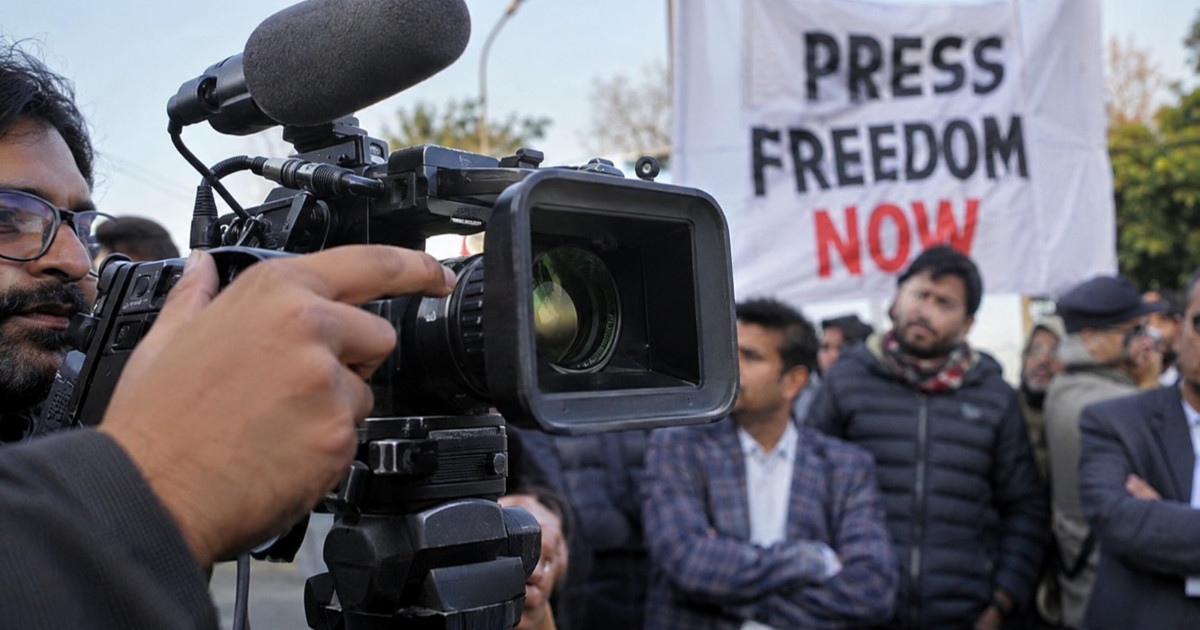
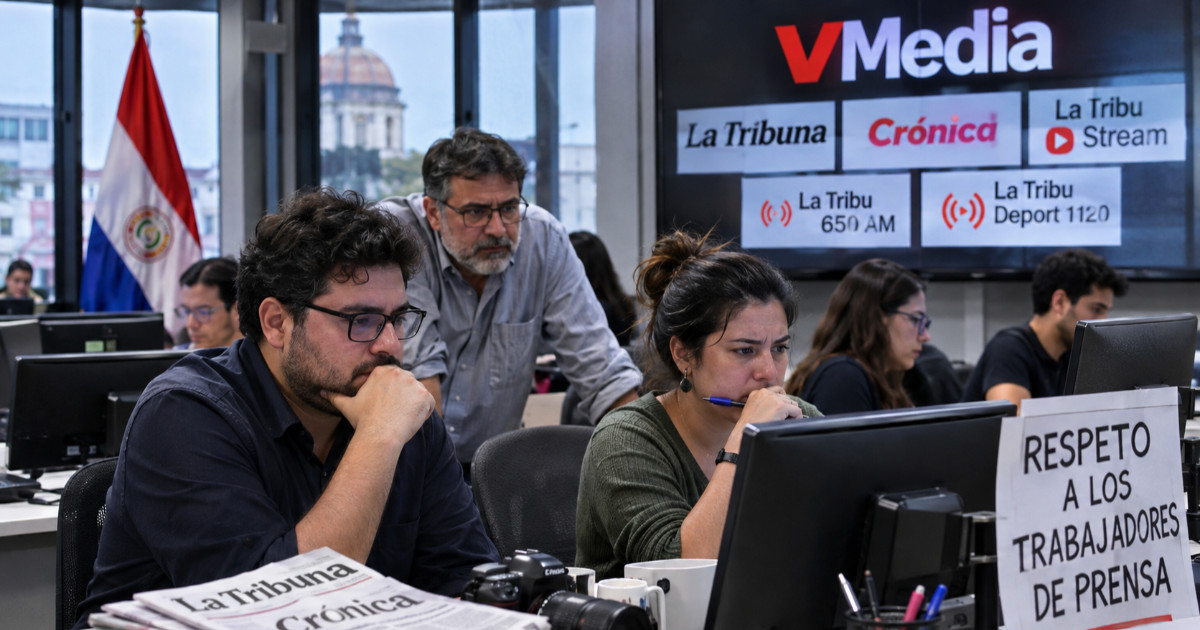
PHOTO: AI-generated; for illustrative purposes only.
Key Points
- House Bill No. 9465 passed the House by a 286-3 vote with seven abstentions.
- The bill would impose six to 12 years' imprisonment and fines of PHP500,000-2 million for deliberate false information causing verifiable public harm.
- Sixty-seven news organizations and more than 80 journalists have signed a statement opposing the measure.
- Critics say the bill's broad enforcement and criminal penalties risk censorship and could be used against reporters and dissent.
- The bill's counterpart in the Senate remains at the committee stage.
Key Questions & Answers
What is House Bill No. 9465?
It is the proposed Digital Media Anti-False Information Act aimed at criminalising the deliberate creation and spread of false information that causes public harm.
Who is opposing the bill?
Journalists and media organizations, including 67 news outlets and over 80 journalists, have publicly called for rejection of the bill in its current form.
What penalties does the bill propose?
The measure proposes six to 12 years in prison and fines ranging from PHP500,000 to PHP2 million for those found to have knowingly created or assisted false information causing verifiable harm.
What happens next in the legislative process?
The bill now faces scrutiny in the Senate, where its counterpart is under committee review before any further action.
Relevant Topics
Ask AI: Understand this story your way
AI EnabledDig deeper, ask anything — get instant context, background, and clarity.
Disclaimer: This feature is powered by AI and is intended to help readers explore and understand news stories more easily. While we strive for accuracy, AI-generated responses may occasionally be incomplete or reflect limitations in the underlying model. This feature does not represent the editorial views of JournalismPakistan. For our full, verified reporting, please refer to the original article.