
Outrage after president-elect justifies Philippine journalists' murders
JournalismPakistan.com | Published: 1 June 2016
Join our WhatsApp channel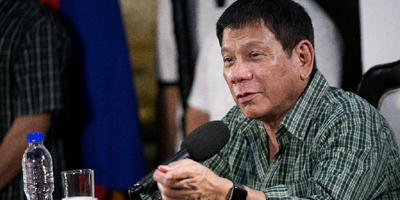
Rodrigo Duterte's comments justifying the killing of corrupt journalists have sparked anger among media groups in the Philippines. Critics warn that such statements could further endanger reporters in a country already known for its violence against the press.Summary
MANILA - Media groups expressed outrage Wednesday at Philippine president-elect Rodrigo Duterte's endorsement of killing corrupt journalists, warning his comments could incite more murders in a nation already one of the world's most dangerous for reporters.
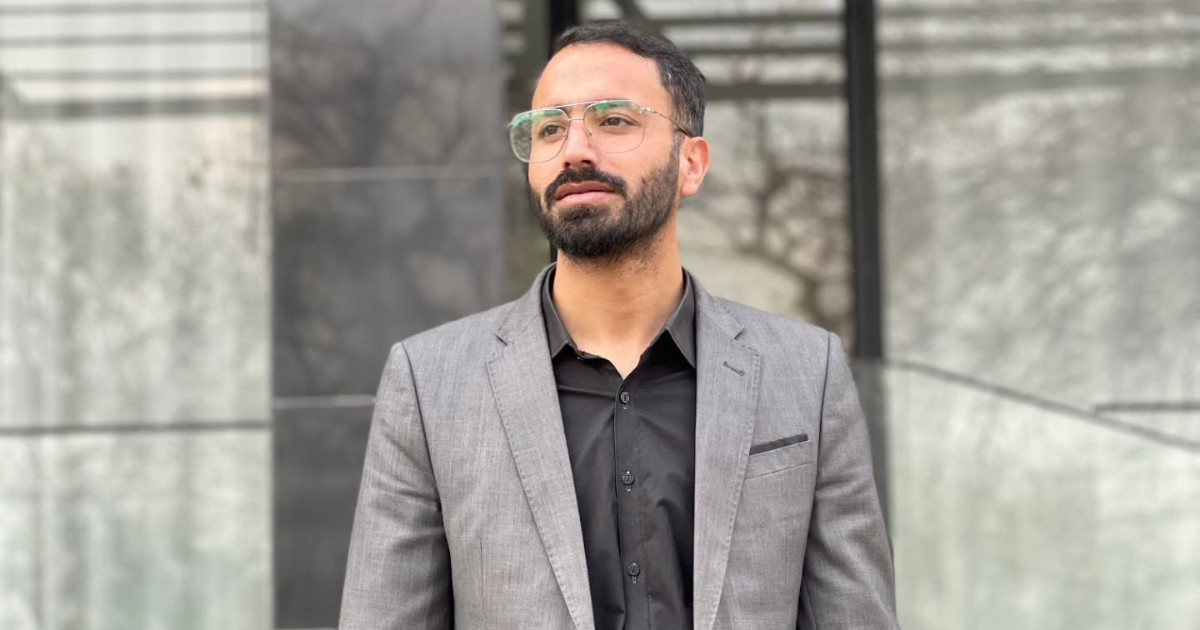
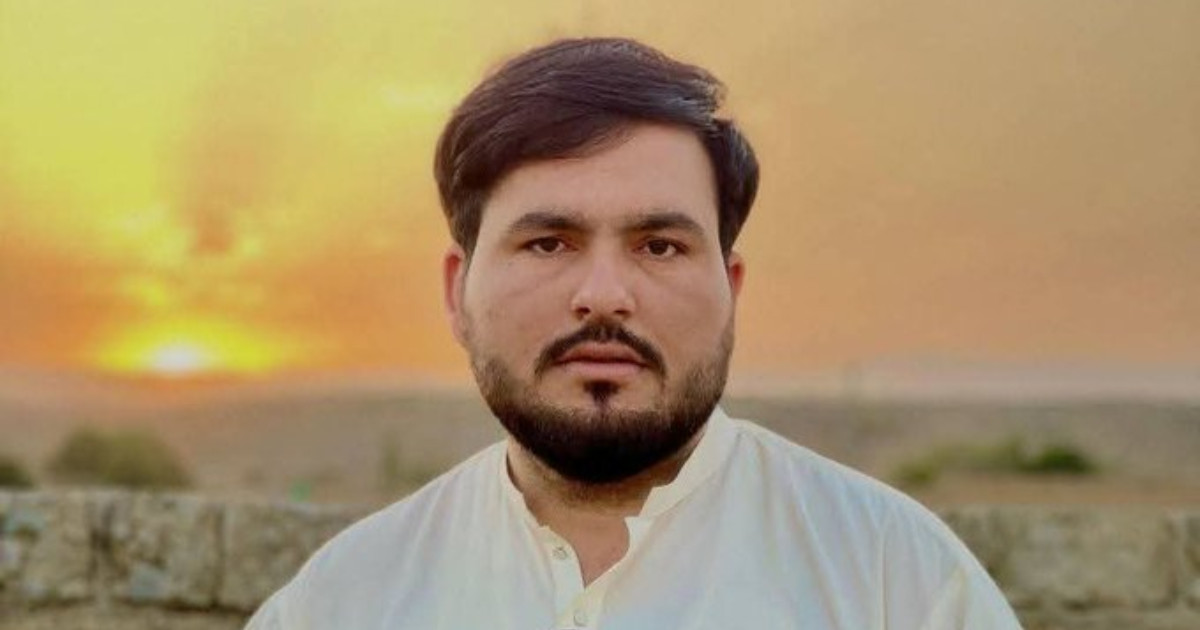
Duterte (pictured), who won last month's elections in a landslide after pledging to kill tens of thousands of criminals, told reporters on Tuesday there was justification for killing journalists who took bribes or engaged in other corrupt activities.
"Just because you're a journalist you are not exempted from assassination, if you're a son of a bitch," Duterte said when asked how he would address the problem of media killings in the Philippines after a reporter was shot dead in Manila last week. The National Union of Journalists of the Philippines described the comments as "appalling".
It conceded there were corruption problems in the industry but said these did not justify murdering reporters. "He has also, in effect, declared open season to silence the media, both individual journalists and the institution, on the mere perception of corruption," the NUJP said in a statement.
The Philippines is one of the most dangerous nations in the world for journalists, with 176 murdered since a chaotic and corruption-plagued democracy replaced the dictatorship of Ferdinand Marcos three decades ago. Speaking at a press conference in his southern hometown of Davao to introduce his cabinet on Tuesday night, Duterte suggested the majority of those victims were partly to blame.
"Most of those killed, to be frank, have done something. You won't be killed if you don't do anything wrong," said Duterte, who will be sworn into office on June 30. Duterte also raised the case of Jun Pala, a journalist and politician who was murdered in Davao in 2003. Gunmen on a motorcycle shot dead Pala, who was a vocal critic of Duterte. His murder has never been solved.
"If you are an upright journalist, nothing will happen to you," said Duterte, who has ruled Davao as mayor for most of the past two decades and is accused of links to vigilante death squads. "The example here is Pala. I do not want to diminish his memory but he was a rotten son of a bitch. He deserved it." Duterte added he knew who the killer was.
Luis Teodoro, deputy director of the Manila-based Center for Media Freedom and Responsibility, described Duterte's comments as "distressing" and said they sent a signal to would-be killers that it was okay to murder in certain circumstances. "When you say corrupt journalists can be killed, that is a very clear message," Teodoro told AFP.
The New York-based Committee to Protect Journalists also condemned Duterte's remarks. "What he has done with these irresponsible comments is give security officials the right to kill for acts that they consider defamation," CPJ's Southeast Asian representative, Shawn Crispin, told AFP from Bangkok.
And Reporters Without Borders called for journalists in the Philippines to boycott Duterte's press conferences until he apologized. Adding to the public relations nightmare for Duterte, the distraught widow of the Manila journalist killed last week appeared in front of reporters asking how Duterte could imply her husband was corrupt.
"He had only 200 pesos ($4) in his wallet when he was killed," a sobbing Florabel Balcoba told reporters. Duterte's spokesman Salvador Panelo insisted Duterte's comments had been taken out of context, and urged reporters to look at the president-elect's body language to understand his comments. "He is against all illegal killings.
He will pursue the criminals to the ends of the Earth in accordance with the law and in accordance with the constitution," Panelo said. One of the world's deadliest attacks against journalists took place in the Philippines in 2009, when 32 journalists were among 58 people killed by a warlord clan intent on stopping a rival's election challenge.
More than 100 people are on trial for the massacre, including many members of the Ampatuan family accused of orchestrating it. Panelo was the Ampatuans' defence lawyer until last year. - AFP
Key Points
- Duterte endorses killing corrupt journalists, sparking outrage.
- Media groups warn his remarks could incite further violence.
- Philippines is one of the most dangerous countries for journalists.
- Duterte claims most victims contributed to their fate.
- Calls for a boycott of Duterte's press conferences by advocacy groups.
Relevant Topics
Ask AI: Understand this story your way
AI EnabledDig deeper, ask anything — get instant context, background, and clarity.
Disclaimer: This feature is powered by AI and is intended to help readers explore and understand news stories more easily. While we strive for accuracy, AI-generated responses may occasionally be incomplete or reflect limitations in the underlying model. This feature does not represent the editorial views of JournalismPakistan. For our full, verified reporting, please refer to the original article.