
Matiullah Jan and the cost of speaking about press freedom
JournalismPakistan.com | Published: 29 April 2026 | JP Staff Report
Join our WhatsApp channel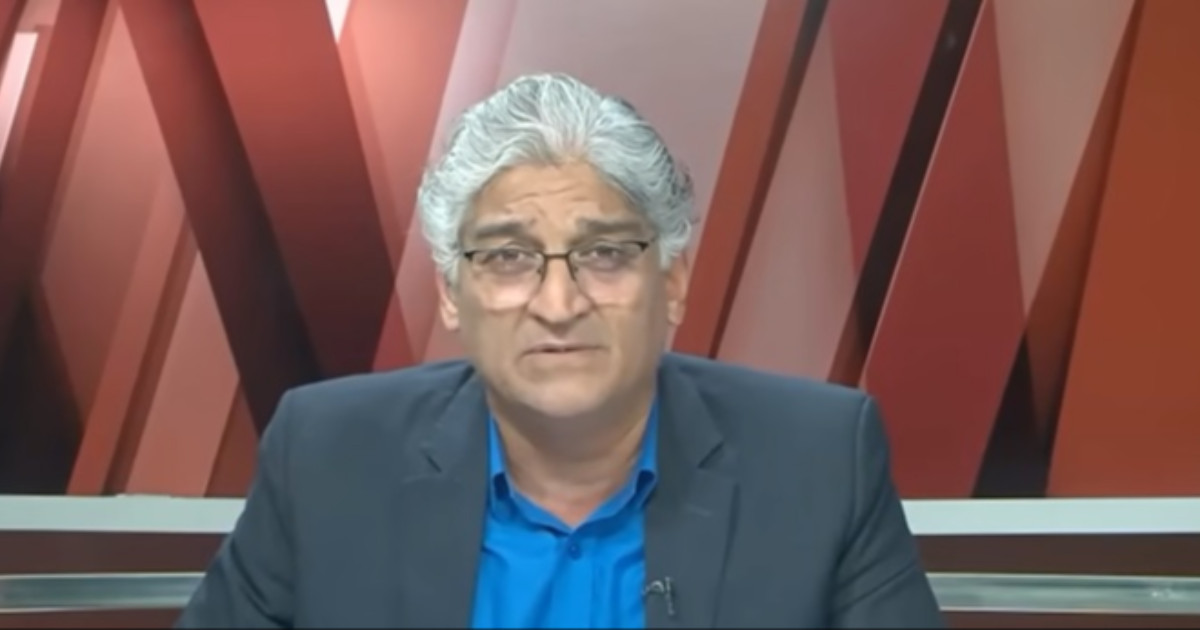
Backlash against journalist Matiullah Jan after he spoke with visiting foreign reporters at Islamabad's National Press Club has sparked debate over whether engaging with foreign media about press freedom can be treated as professional misconduct in Pakistan.Summary
ISLAMABAD — The backlash against senior journalist Matiullah Jan following his interaction with foreign reporters has triggered a deeper question: can speaking about press freedom, even critically, be treated as misconduct in Pakistan?
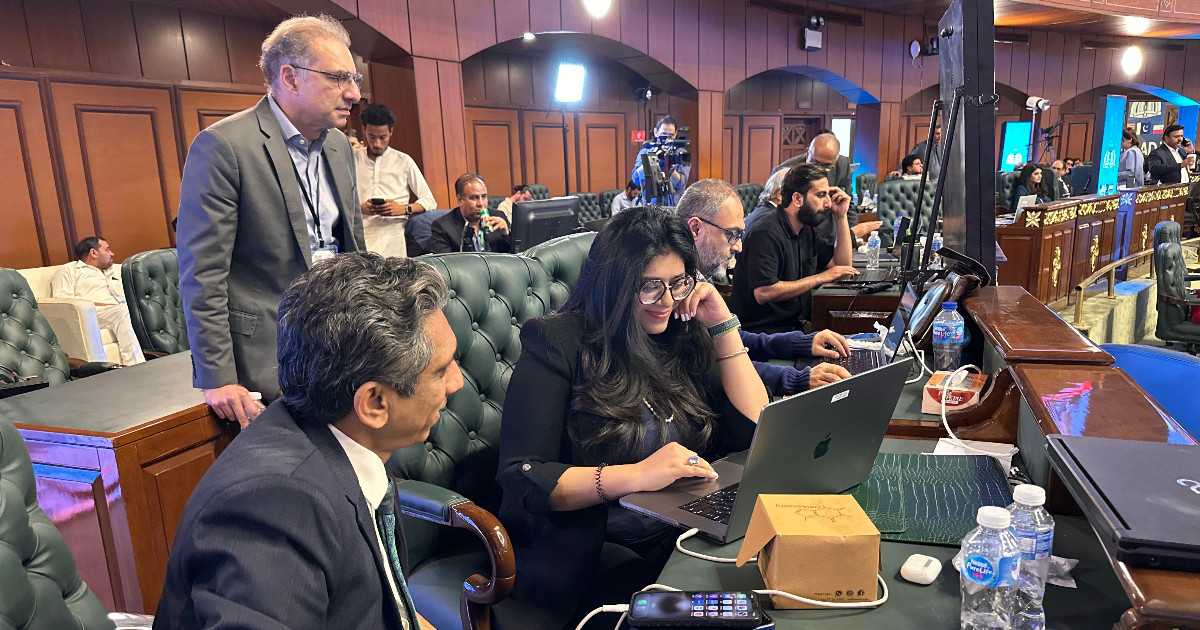
At the center of the controversy is a gathering at the National Press Club, where Jan and fellow journalist Asad Toor engaged visiting international journalists in a discussion about Pakistan’s media landscape. What might ordinarily be seen as a routine professional exchange has instead spiraled into public criticism, institutional distancing, and renewed scrutiny of Jan’s role within the journalistic community.
Yet stripped of rhetoric and reaction, the core issue remains straightforward: engaging with foreign journalists and discussing press freedom is not a crime.
A routine journalistic practice under scrutiny
Across the world, journalists regularly interact with foreign correspondents, delegations, and media organizations. These exchanges form part of a global professional culture where information, perspectives, and concerns about media conditions are shared openly.
In this context, discussing the state of press freedom is neither unusual nor inappropriate. It is, in fact, central to journalism itself.
Critics of the Islamabad gathering have raised concerns about how the event was presented and whether all participants were fully aware of its nature. Such concerns, if valid, fall within the realm of professional ethics and transparency. However, conflating these questions with allegations of wrongdoing risks setting a troubling precedent.
Professional disagreements should not be elevated into grounds for punitive action or reputational damage.
Ethics versus intimidation
The distinction between ethical debate and institutional pressure is crucial. Journalism, by its nature, invites disagreement over methods, tone, and approach. What it cannot sustain is an environment where such disagreements lead to consequences that silence or marginalize voices.
Jan’s subsequent departure from Neo News, while not officially linked to the controversy, has intensified concerns within media circles. The sequence of events has reinforced a perception that speaking critically, particularly in forums involving international audiences, can carry professional risks.
Whether intended or not, such outcomes contribute to a climate where caution begins to replace candor.
A pattern too familiar
Jan’s experience does not exist in isolation. Pakistan’s media landscape has, in recent years, witnessed a steady pattern of journalists facing pressure, exiting organizations, or scaling back critical commentary.
In this broader context, individual cases take on added significance. They begin to reflect not just personal circumstances but systemic shifts, where the boundaries of acceptable discourse appear to narrow over time.
Jan himself has faced repeated challenges. From a physical attack in 2017 to a high-profile abduction and legal case in 2024, his career has been marked by episodes that many journalists would find difficult to navigate. Subsequent forensic findings that undermined key allegations in that case only added to concerns about the pressures he has endured.
These experiences do not make him beyond criticism. But they do underscore the resilience required to continue operating in such an environment.
The discomfort with difficult journalism
Jan’s style has also drawn criticism. Known for his direct questioning and confrontational interviews, he is not universally embraced within the profession.
But journalism has never been a uniform practice. From investigative reporting to adversarial questioning, different approaches coexist within the same field. Discomfort with a journalist’s style cannot become a basis for delegitimizing their work or limiting their space.
A free press must accommodate a range of voices, including those that challenge, provoke, or unsettle.
Internal tensions and external pressures
The controversy has also unfolded against the backdrop of internal dynamics within the National Press Club, where leadership changes earlier this year altered long-standing power structures. Some observers suggest that these internal rivalries may be amplifying the reaction to the event.
While such factors may shape the intensity of the response, they do not alter the central issue. The right of a journalist to engage in discussion about press freedom, whether domestically or internationally, should not be contingent on internal alignments or institutional approval.
Why this matters
At stake is more than the reputation or career of a single journalist. The implications extend to the broader media environment in Pakistan.
If engaging with foreign journalists becomes controversial, it risks isolating Pakistani media from global discourse. If speaking openly about press conditions invites backlash, it encourages self-censorship. And if professional disagreements escalate into institutional consequences, it weakens the foundations of independent journalism.
Over time, these pressures accumulate. Experienced journalists exit. Younger reporters take note. The space for critical inquiry narrows, not necessarily through formal restrictions, but through an unspoken understanding of what is considered safe to say.
A narrowing space
The debate surrounding Jan ultimately reflects a deeper tension within Pakistan’s media landscape: the balance between accountability and autonomy, between criticism and control.
Journalism’s role is not to conform, but to question, to examine power, highlight concerns, and engage in conversations that may not always be comfortable.
If those conversations themselves become grounds for controversy, the consequences extend far beyond any single event.
They begin to redefine the limits of journalism itself.
ATTRIBUTION: Reporting by JournalismPakistan
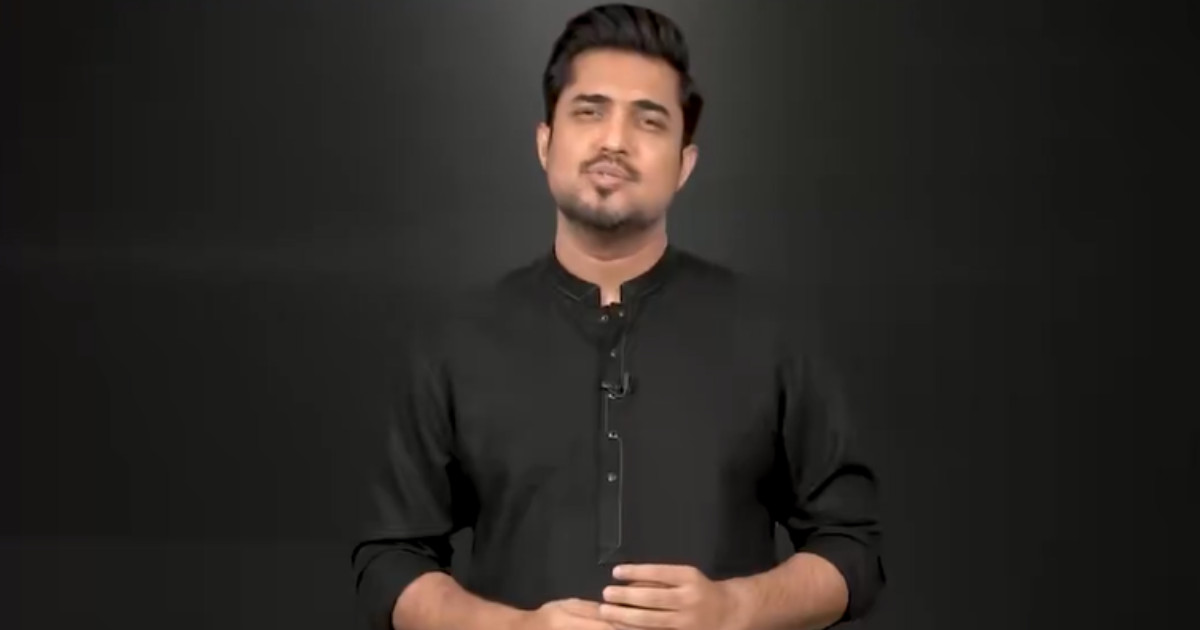
PHOTO: A screenshot from the Neo News program Sahafi
Key Points
- Matiullah Jan spoke with visiting foreign reporters at the National Press Club in Islamabad.
- The interaction provoked public backlash and institutional distancing from parts of the local media community.
- Engaging with foreign journalists is a common professional practice in journalism globally.
- Critics raise concerns about how the event was presented and whether participants gave informed consent.
- Supporters warn that treating such exchanges as misconduct risks curbing press freedom and normal professional discussion.
Key Questions & Answers
Why has Matiullah Jan faced criticism?
He faced criticism after speaking with visiting foreign reporters at a National Press Club event, prompting debate over the nature and presentation of that interaction.
Is speaking to foreign journalists unusual?
No, journalists worldwide routinely engage with foreign reporters and delegations to share information and perspectives.
What concerns have critics raised?
Critics have questioned how the event was presented and whether all participants were fully aware of or consented to its nature.
What do supporters say about the controversy?
Supporters argue that discussing press freedom with international media is standard journalistic practice and should not be treated as misconduct.
Relevant Topics
Ask AI: Understand this story your way
AI EnabledDig deeper, ask anything — get instant context, background, and clarity.
Disclaimer: This feature is powered by AI and is intended to help readers explore and understand news stories more easily. While we strive for accuracy, AI-generated responses may occasionally be incomplete or reflect limitations in the underlying model. This feature does not represent the editorial views of JournalismPakistan. For our full, verified reporting, please refer to the original article.