
Indonesia court narrows obstruction law, shields journalists
JournalismPakistan.com | Published: 3 March 2026 | JP Asia Desk
Join our WhatsApp channel
Indonesia's Constitutional Court removed 'directly or indirectly' from the Anti‑Corruption Law, ruling that journalism, public debate and academic commentary are not obstructing justice; rights groups welcomed the decision.Summary
JAKARTA — Indonesia’s Constitutional Court on March 2 issued a landmark decision refining how “obstruction of justice” laws should be interpreted, clarifying that legitimate journalistic activities, public debate, and academic commentary cannot be prosecuted as hindering legal processes, rights groups and legal experts said.
The court struck down the phrase “directly or indirectly” from Article 21 of the Anti‑Corruption Law (UU Tipikor), ruling it unconstitutionally vague and prone to overly broad application against speech and reporting activities.
The ruling was prompted in part by concerns raised over how the obstruction provision could be misused to criminalize reporting and critical discourse in high‑profile cases, including corruption investigations and public interest coverage.
Court draws a clearer line between reporting and legal obstruction
In its reasoning, the court emphasized that activities such as information dissemination, news reporting, journalistic investigations, public discussion, and academic opinion are core to democratic oversight and should not be treated as actions that impede legal proceedings. The justices found that the contested wording “directly or indirectly” had expanded the law’s reach so broadly that it risked capturing speech and reporting based on subjective interpretation by law enforcement.
The Legal Association of Journalists (Iwakum) welcomed the ruling as a key development that strengthens constitutional protections for press freedom and freedom of expression. Iwakum leaders said the decision offers greater legal certainty for media professionals who cover corruption and other sensitive issues that might otherwise fall into contested legal territory.
Implications for law enforcement and press freedom
Law enforcement officials, including the Corruption Eradication Commission (KPK), said they respect the Constitutional Court’s decision as part of Indonesia’s constitutional framework, even as they continue to uphold anti‑corruption efforts within the bounds of clarified legal definitions. Analysts said the decision could reduce prosecutorial discretion that previously allowed obstruction charges to be applied in ways that chilled investigative reporting.
However, legal experts caution that effective implementation will require clear guidance from prosecutors, police, and courts to ensure the narrowed obstruction standard is consistently applied. Indonesia has seen legal ambiguity in recent years contribute to concern among journalists and civil society about potential criminal liability for reporting on powerful subjects.
Broader context for Indonesian media law
This ruling adds to ongoing debates over media freedom and legal protections in Southeast Asia, where broad criminal statutes, including defamation and electronic information laws, have at times been used to challenge journalists. Observers say the Constitutional Court’s decision could prompt legislative and prosecutorial review of other laws that affect reporting and public discourse.
WHY THIS MATTERS: For Pakistani journalists and media organizations, Indonesia’s ruling underscores the importance of precise legal language in laws that intersect with press freedom. It highlights how judicial review can safeguard routine newsgathering and commentary from overly broad criminal provisions and may offer a comparative legal reference as Pakistan’s media sector navigates its own legal challenges and debates over criminal defamation, obstruction‑type clauses, and protections for investigative reporting.
ATTRIBUTION: Reporting based on publicly available coverage from ANTARA News, Jawawa, Inilah.com, JPNN.com, and Liputan6.
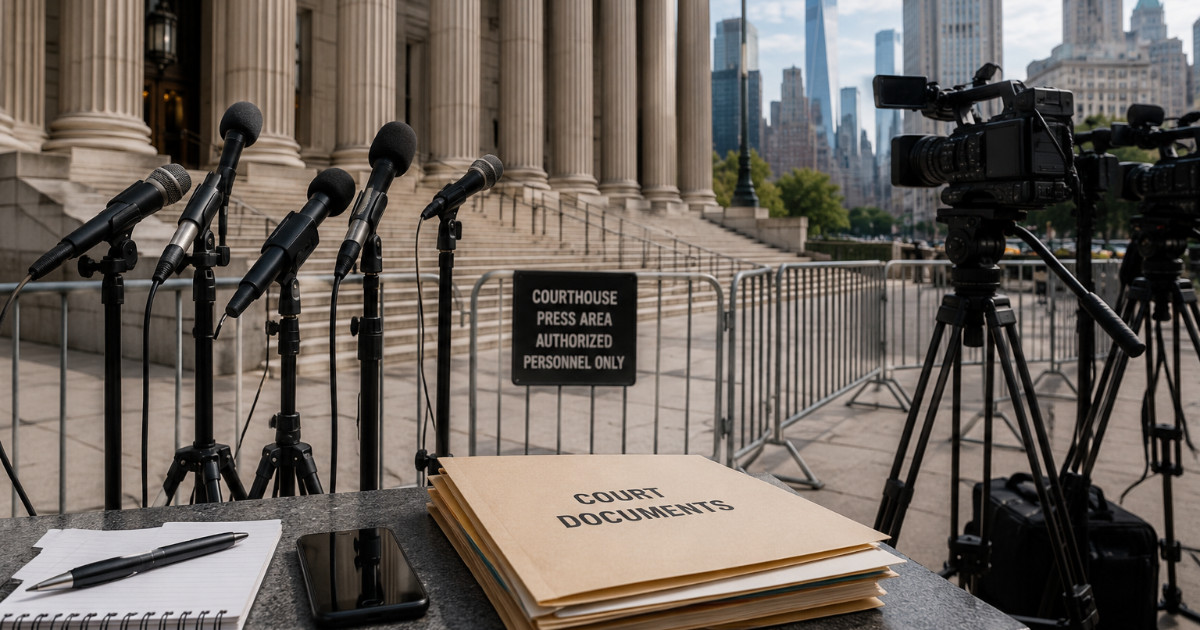
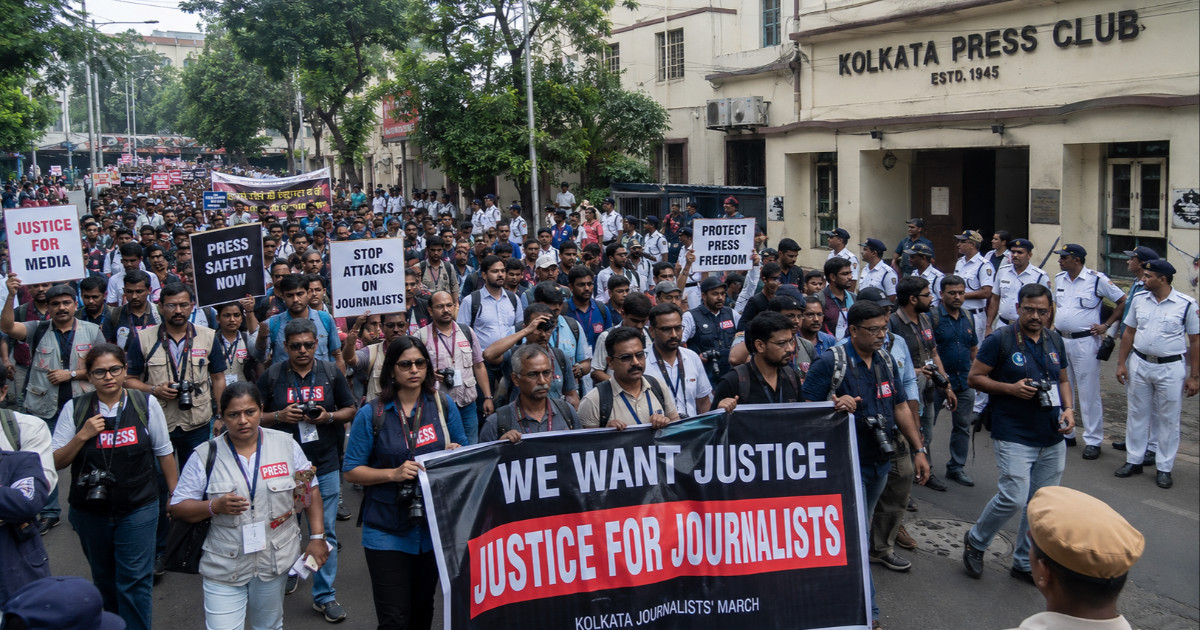
PHOTO: AI‑generated; for illustrative purposes only.
Key Points
- Court struck the phrase "directly or indirectly" from Article 21 of the Anti‑Corruption Law.
- Justices said news reporting, public debate and academic commentary are not obstruction.
- Ruling aims to prevent broad or subjective application against speech and reporting.
- The Legal Association of Journalists (Iwakum) said the decision strengthens press freedom protections.
- Decision responds to concerns about criminalizing reporting in high‑profile corruption cases.
Key Questions & Answers
What did the Constitutional Court change?
The court removed the words "directly or indirectly" from Article 21 of the Anti‑Corruption Law, narrowing how obstruction can be interpreted.
Does the ruling protect journalists?
Yes; the justices clarified that legitimate journalistic activities and reporting cannot be treated as obstructing justice.
Which activities did the court explicitly shield?
The ruling singled out information dissemination, news reporting, journalistic investigations, public discussion and academic commentary.
How did rights groups respond?
Groups including the Legal Association of Journalists (Iwakum) welcomed the decision as a boost to press freedom and expression.
Ask AI: Understand this story your way
AI EnabledDig deeper, ask anything — get instant context, background, and clarity.
Disclaimer: This feature is powered by AI and is intended to help readers explore and understand news stories more easily. While we strive for accuracy, AI-generated responses may occasionally be incomplete or reflect limitations in the underlying model. This feature does not represent the editorial views of JournalismPakistan. For our full, verified reporting, please refer to the original article.