
Pentagon rules on media access spark new press freedom concerns
JournalismPakistan.com | Published: 26 March 2026 | JP Global Monitoring
Join our WhatsApp channel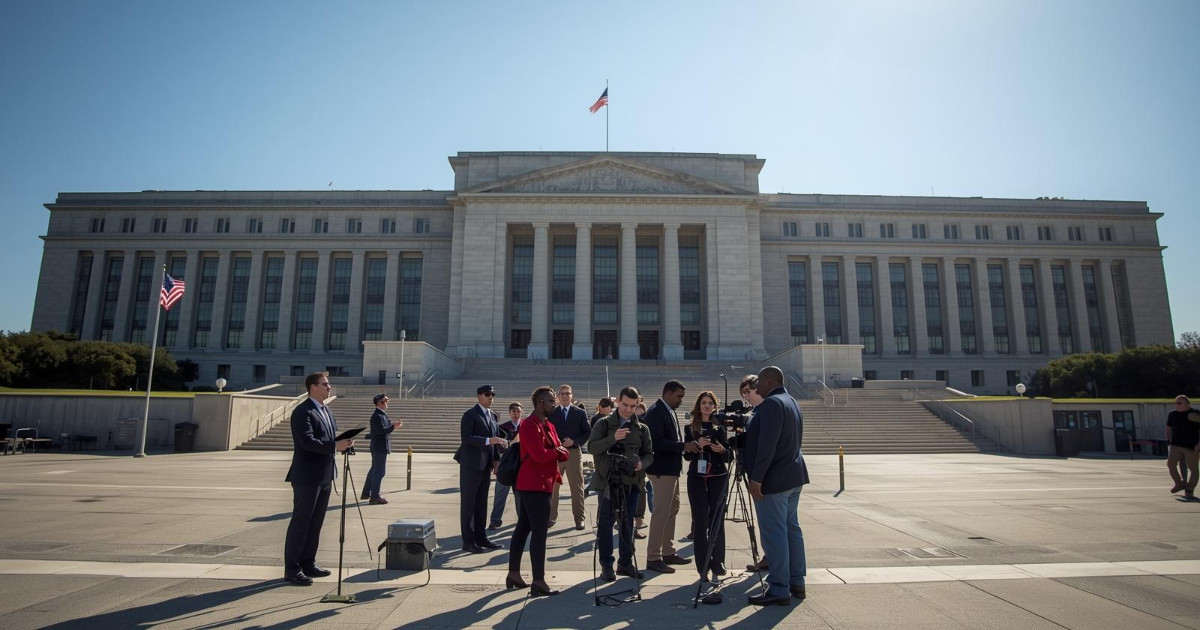
Updated Pentagon media-access rules requiring mandatory escorts and movement limits have drawn criticism from news organizations. Media groups say the changes curtail independent reporting and transparency despite a court restoring some access.Summary
WASHINGTON — A renewed dispute over press access to the United States military has emerged after the Pentagon introduced revised rules governing journalists’ movements, prompting criticism from media organizations that say the changes undermine independent reporting despite a recent court intervention.
The updated framework follows a legal challenge that restored journalists’ access rights after earlier restrictions were deemed excessive. However, media groups argue the Pentagon’s revised approach effectively replaces one set of limitations with another, raising fresh concerns about transparency and accountability within one of the world’s most powerful defense institutions.
Revised access rules draw criticism
At the center of the controversy are provisions requiring mandatory escorts for reporters covering certain areas and activities. Critics, including the National Press Club, say these measures restrict journalists’ ability to report freely, limit spontaneous interactions, and reduce opportunities to cultivate independent sources.
Media advocates contend that such administrative controls, while less visible than outright bans, can significantly shape the scope and depth of reporting. They argue that escorted access risks turning coverage into managed observation rather than independent journalism, particularly on sensitive defense and security issues.
Legal win overshadowed by new limits
The dispute comes after a court ruling reaffirmed journalists’ rights to access military spaces under certain conditions, marking a significant legal victory for press freedom. However, the Pentagon’s subsequent policy adjustments have led critics to question whether the spirit of that ruling is being fully upheld in practice.
Observers note that the requirement for escorts could discourage whistleblowers and limit off-the-record conversations, both of which are essential for investigative reporting. The revised rules, they say, may also create logistical hurdles that reduce the time journalists can spend gathering information in the field.
Part of a wider global pattern
Analysts say the situation reflects a broader global trend in which governments increasingly rely on procedural or administrative mechanisms, rather than outright censorship, to manage media coverage. These measures can include accreditation hurdles, controlled access zones, and surveillance-linked reporting requirements.
Such approaches are often harder to challenge legally, as they are framed as operational or security measures rather than direct restrictions on press freedom. Nevertheless, press freedom groups warn that their cumulative effect can be just as restrictive, particularly in high-stakes reporting environments like defense and national security.
WHY THIS MATTERS: The shift toward administrative controls offers a cautionary example for Pakistani media, where access to official institutions is often mediated through accreditation and security protocols. It highlights how subtle restrictions can shape coverage without formal censorship. Newsrooms in Pakistan may need to develop strategies to maintain independence and source diversity under similar constraints.
ATTRIBUTION: Information cited from publicly available reporting by Reuters (March 25, 2026) and a publicly available statement issued by the National Press Club (March 25, 2026).
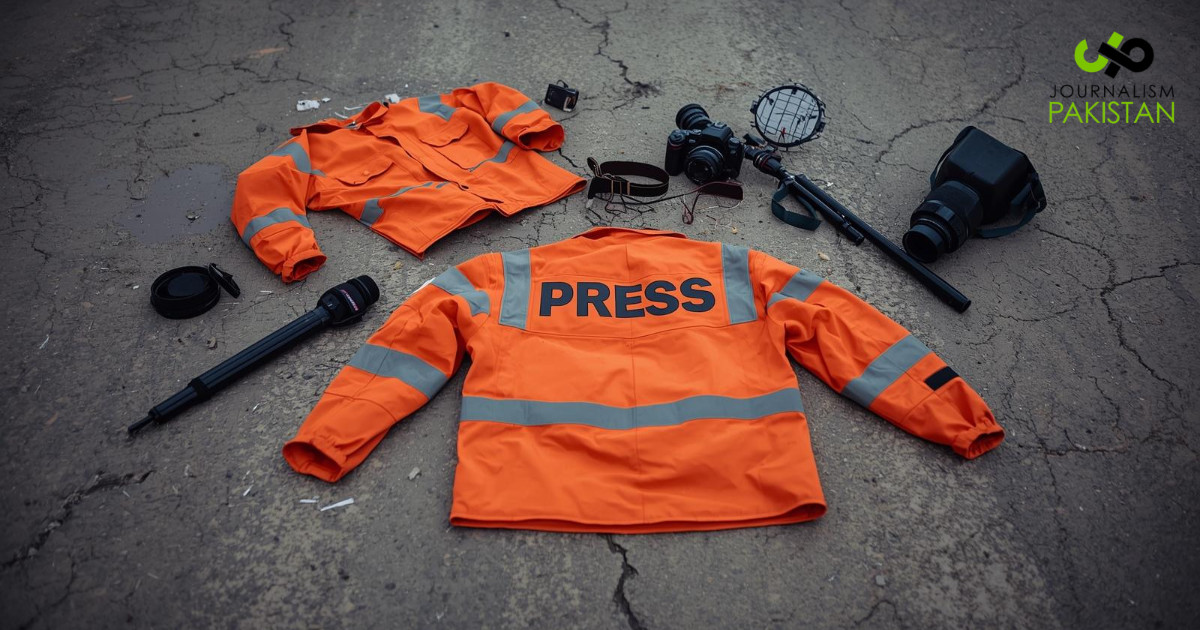
PHOTO: AI-generated; for illustrative purposes only.
Key Points
- New Pentagon rules require mandatory escorts for journalists in certain areas and impose movement limits.
- Media organizations, including the National Press Club, say escorts restrict spontaneous reporting and source development.
- A recent court ruling had restored some journalists' access after earlier restrictions were struck down.
- Critics argue the revised framework replaces overt bans with administrative controls that can shape coverage.
- Concerns focus on transparency and accountability within military settings and sensitive defense reporting.
Key Questions & Answers
What do the new Pentagon rules change?
The rules introduce mandatory escorts and limits on journalists' movements in certain areas and during specific activities.
Why are media groups opposing the changes?
They say escorts and administrative controls limit spontaneous reporting, constrain source access, and risk turning coverage into managed observation.
Did a court address press access to military spaces?
Yes, a court ruling restored some journalists' access after earlier restrictions were found excessive.
Do the rules apply to all reporters and locations?
The Pentagon says the measures target specific areas and activities; implementation and scope are determined by Defense Department policy.
Relevant Topics
Ask AI: Understand this story your way
AI EnabledDig deeper, ask anything — get instant context, background, and clarity.
Disclaimer: This feature is powered by AI and is intended to help readers explore and understand news stories more easily. While we strive for accuracy, AI-generated responses may occasionally be incomplete or reflect limitations in the underlying model. This feature does not represent the editorial views of JournalismPakistan. For our full, verified reporting, please refer to the original article.