
Veteran broadcaster Ishrat Fatima steps away after 45 years Cairo book fair set to open with record participation Iran protests strain journalism amid 2,000 deaths Violence against journalists in the US draws advocacy group calls Journalist appeals to army chief over Islamabad tree cutting Press freedom continues to deteriorate in Hong Kong AI search summaries threaten referral traffic to news sites Reuters Institute report highlights pressure on journalism in 2026 Climate reporters in Asia face elevated safety risks, study finds Afghan media group condemns arrests and expulsion in Islamabad Veteran broadcaster Ishrat Fatima steps away after 45 years Cairo book fair set to open with record participation Iran protests strain journalism amid 2,000 deaths Violence against journalists in the US draws advocacy group calls Journalist appeals to army chief over Islamabad tree cutting Press freedom continues to deteriorate in Hong Kong AI search summaries threaten referral traffic to news sites Reuters Institute report highlights pressure on journalism in 2026 Climate reporters in Asia face elevated safety risks, study finds Afghan media group condemns arrests and expulsion in Islamabad
Logo
Janu
Journalism's silent partners

Supreme Court orders TV channels, newspapers to pay pending staff salaries by April 30

 JournalismPakistan.com |  Published: 4 April 2018

Join our WhatsApp channel
Supreme Court orders TV channels, newspapers to pay pending staff salaries by April 30
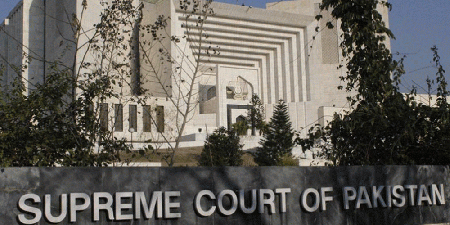
The Supreme Court of Pakistan has ordered media outlets to pay outstanding staff salaries by April 30. Failure to comply may result in legal consequences.

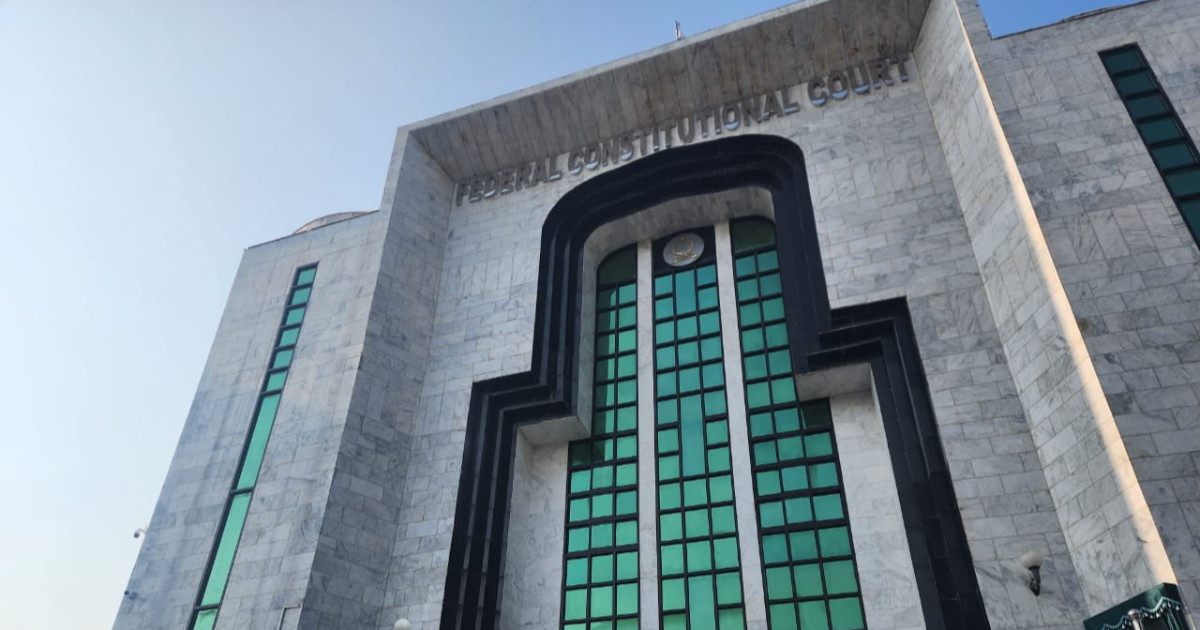
ISLAMABAD – The Supreme Court of Pakistan on Wednesday ordered all television channels and newspapers to pay off pending staff salaries by April 30.

The court said that not paying the salaries within the given time would be considered contempt of court.

The Chief Justice of Pakistan Mian Saqib Nisar indicated setting up a special cell for hearing complaints of media workers.

During the hearing, the counsel for Capital TV told the court that only salaries for February and March were yet to be paid. He said the management would pay all salaries by May.

The chief justice ordered that pays be disbursed by April 30 and warned that if this was not done he would order shut down of Capital TV. “This matter relates to human life.”

Photo courtesy: propakistani.pk

KEY POINTS:

  • Supreme Court issues order for pending salary payments by April 30.
  • Non-compliance could be treated as contempt of court.
  • Chief Justice Mian Saqib Nisar plans to set up a complaint hearing cell.
  • Only salaries for February and March are outstanding for some channels.
  • Capital TV's management committed to paying all salaries by May.

Don't Miss These

Newsroom
Cairo book fair set to open with record participation

Cairo book fair set to open with record participation

 January 13, 2026 The 57th Cairo International Book Fair (Jan 21-Feb 3, 2026) in New Cairo hosts 1,457 publishing houses from 83 countries, with Romania as guest of honor.


IFJ condemns Iran's internet blackout during protests

IFJ condemns Iran's internet blackout during protests

 January 13, 2026 The IFJ condemned Iran's internet blackout during protests as a deliberate tactic that cripples reporting, obscures abuses and isolates journalists.


Iran protests strain journalism amid 2,000 deaths

Iran protests strain journalism amid 2,000 deaths

 January 13, 2026 Iranian officials say about 2,000 people died in nationwide protests, while internet blackouts and restrictions hinder journalists and impede information flow.


Violence against journalists in the US draws advocacy group calls

Violence against journalists in the US draws advocacy group calls

 January 13, 2026 Groups urge federal action to protect journalists after a rise in violence, harassment, arrests and interference while covering protests in the US.


Press freedom continues to deteriorate in Hong Kong

Press freedom continues to deteriorate in Hong Kong

 January 13, 2026 Monitors report a sharp decline in press freedom in Hong Kong, pointing to national security laws, arrests, media closures and legal pressure on journalists.


Popular Stories