.png)
News TV blackouts draw fresh accusations of censorship
JournalismPakistan.com | Published: 31 July 2019
Join our WhatsApp channel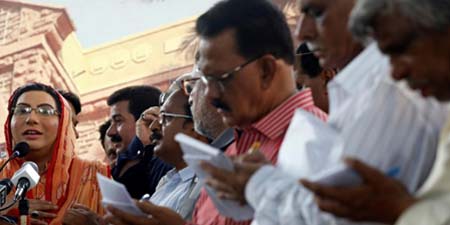
The article discusses accusations of media censorship against Prime Minister Imran Khan following blackouts of television coverage of opposition leaders. Relations between the government and the media have soured, with broadcasters under pressure to limit critical reporting.Summary
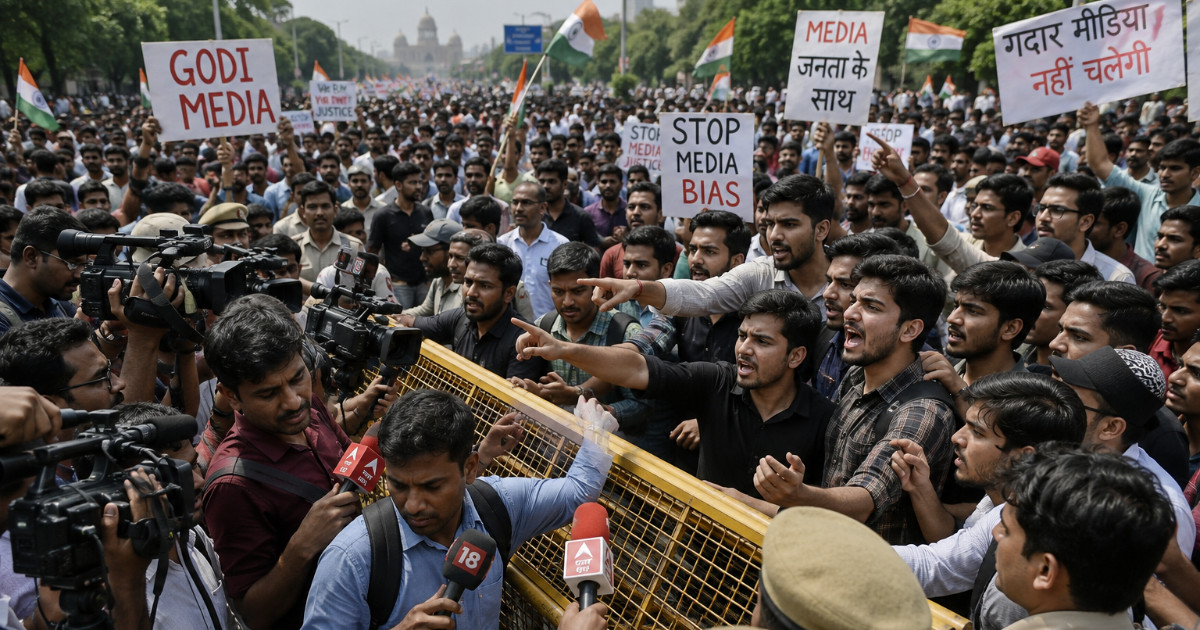
ISLAMABAD — Pakistani opposition parties have accused Prime Minister Imran Khan of intimidating broadcasters into a blackout on television coverage of his critics after several TV channels were briefly taken off-air and opposition protests and news conferences passed unreported.
Khan denies censoring the media, describing such accusations as “a joke” during a visit to Washington this month, but relations with the press and broadcasters have become increasingly strained since he took office nearly a year ago.
Fuelling the criticism, as Khan headed back from the United States last Wednesday a news conference by opposition leader Maryam Nawaz, which would usually be carried live on TV news stations, went unseen as broadcasters held back from coverage.
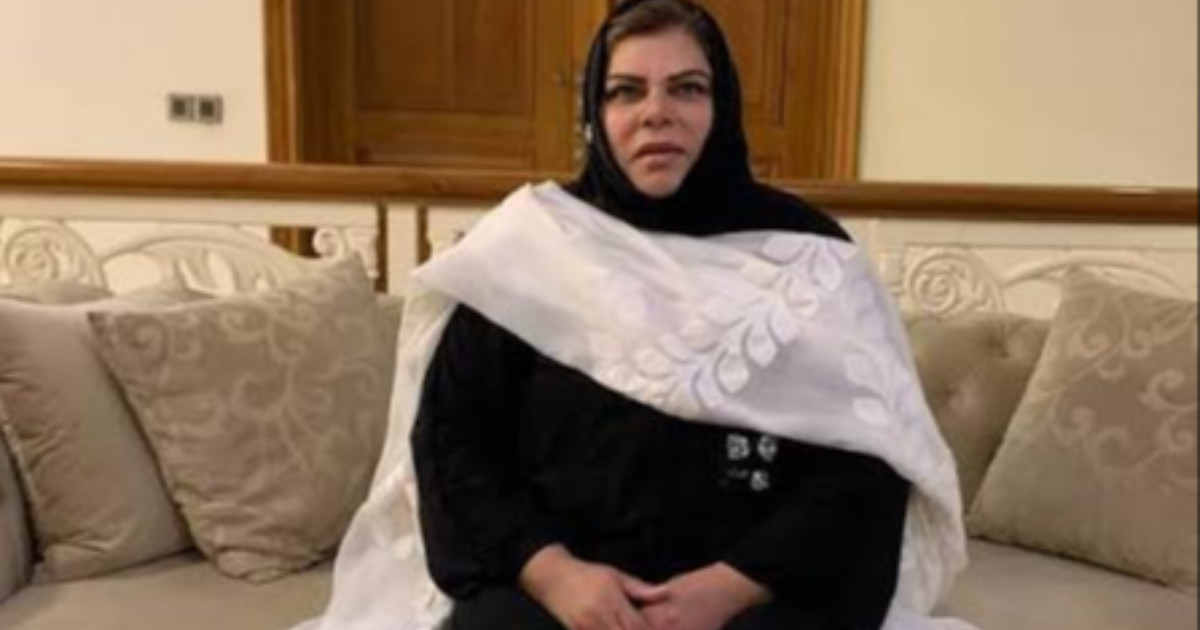
“Pakistan’s media is facing the worst censorship,” Nawaz told the news conference, which was broadcast on YouTube. “If any news channel tries to air our presser or rallies, it is threatened to go off air.”
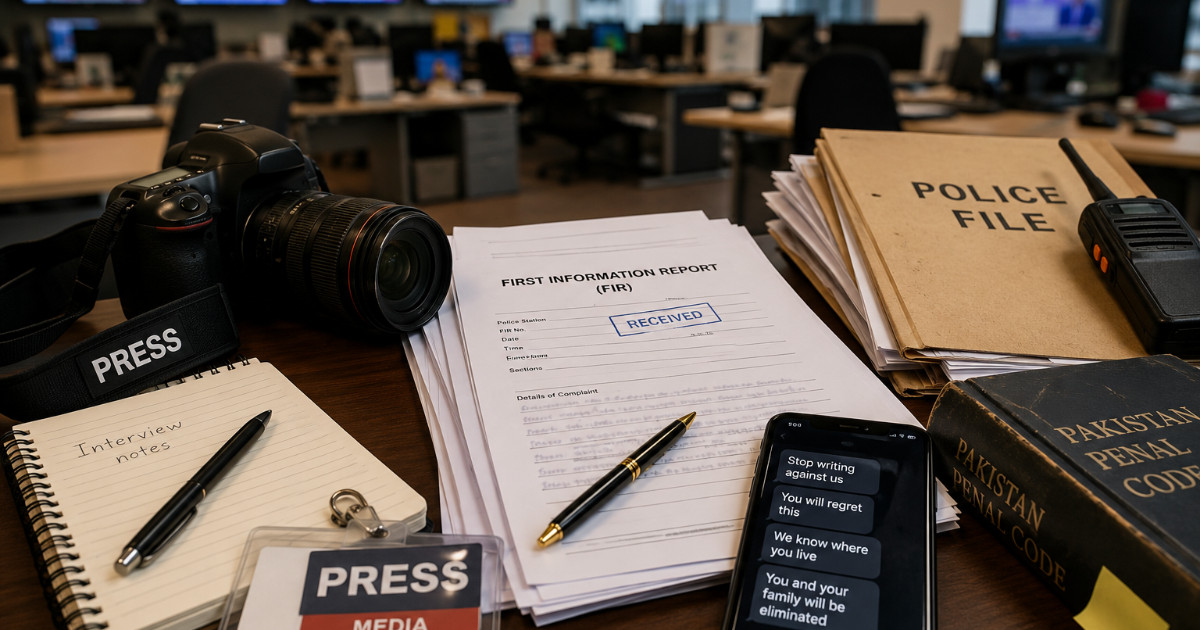
Media managers were reluctant to comment publicly when contacted by Reuters, but statements from industry bodies have complained about pressure on journalists and their employers.
Newsgroups have also been alarmed by proposals to establish special courts to hear cases relating to the media.
The All Pakistan Newspapers Society (APNS) described the proposal as institutionalized “arm-twisting.”
“The media is already braving strong pressures in the form of press advices and measures of intimidation from ruling quarters which are tantamount to undeclared censorship,” it said.
Khan’s government dismisses the criticism and says it is dealing with the consequences of abuses by past administrations, who it says used lucrative government advertising business to buy favorable coverage.
His Pakistan Tehrik-e-Insaf (PTI) party earlier this month posted a series of tweets warning media houses and journalists that they should not “end up propagating (the) enemy’s stance” in criticizing the government.
TURBULENT RELATIONS
Pakistan’s press has had a turbulent relationship with successive governments and the powerful military over many years. Some in the media complained of a severe crackdown in the run-up to the 2018 general election that saw Khan’s PTI party sweep to power.
Writers and bloggers say several cases of reporters being abducted and beaten, critical columnists being denied space, advertising business cut to media houses and sackings of unfavorable TV commentators have created a climate of fear and self-censorship.
The military and government have denied state agencies have been involved in any of those incidents. They also reject opposition accusations that the army colluded in bringing the PTI to power.
Nawaz’s PML-N party says it is the main target of a renewed crackdown, which comes after it aired a video apparently showing one of the judges who convicted party founder and former Prime Minister Nawaz Sharif last year on corruption charges saying he had been blackmailed to deliver a guilty verdict. The judge, who later denied the allegations, has since been sacked.
In recent weeks planned interviews with party leader Maryam Nawaz, Nawaz Sharif’s daughter, have been pulled without explanation at the last minute, while her voice has been repeatedly muted mysteriously during interviews.
Geo News TV, the country’s biggest private broadcaster, has suffered a series of problems since late July.
Coverage was abruptly suspended, and its position on cable dials dropped from a favorable place at the top of the list to a slot near the bottom.
Geo TV’s Managing Director Azhar Abbas said the broadcaster had received no warning or explanation and had not been notified of who had ordered the changes.
“The closure is without any prior notice to the organization by the regulatory authority or the government,” he told Reuters.
“We have made fervent attempts to reach out to ... the military media wing, but officials there also deny any involvement.”
“BIG BROTHER”
Three other TV channels, 24 News, Abb Takk News, and Capital TV, were shut down for one day after they gave Maryam Nawaz live coverage earlier this month.
“I was informed by management that they received instructions this couldn’t be carried,” said Najam Sethi, a 24 News anchor, who had scheduled an interview with Maryam.
“We, media owners and journalists alike, are in a state of siege. Pressure to control, manipulate, plant, tilt, block, and propagate the news and analysis cycle comes from overt and covert civil-military platforms. Big brother isn’t just watching anymore. He is cracking the whip, and it’s painful.”
Ansar Naqvi, the station’s director programming and current affairs, said Sethi was asked not to conduct the interview in line with a request from the country’s broadcasting regulator.
“We have verbal instructions from the regulator to ban Maryam’s coverage completely,” he told Reuters, adding that there was no written directive.
Mohammad Tahir, the spokesman for the state-run regulator Pakistan Electronic Media Authority (PEMRA), denied that it had issued instructions to broadcasters not to run interviews. Asked who pulled the interviews, he told Reuters: “We didn’t.”
The government’s main spokesperson, Firdous Aashiq Awan, told a meeting of Pakistani newspaper editors in Karachi last week that the PEMRA was an independent body just doing its job. She did not comment on who was behind the blackouts.
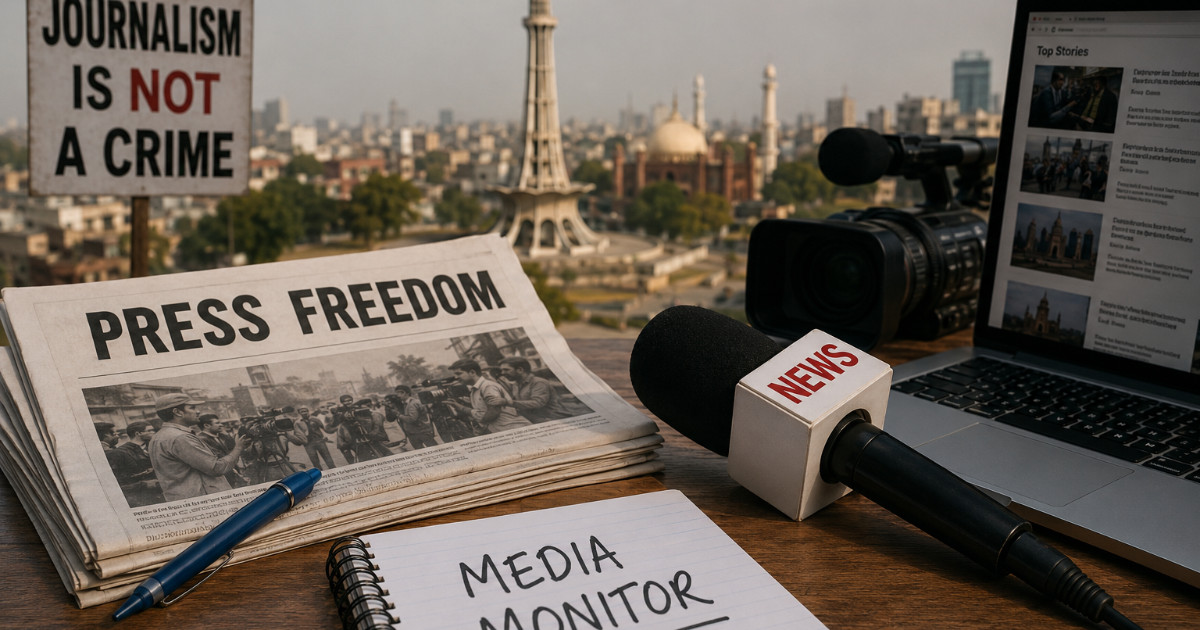
The Pakistan Broadcast Association (PBA) has condemned the shutdowns, while the U.S.-based Committee to Protect Journalists (CPJ) said the blockage of Geo TV was “an unfortunate illustration of how widespread censorship has become in Pakistan.”
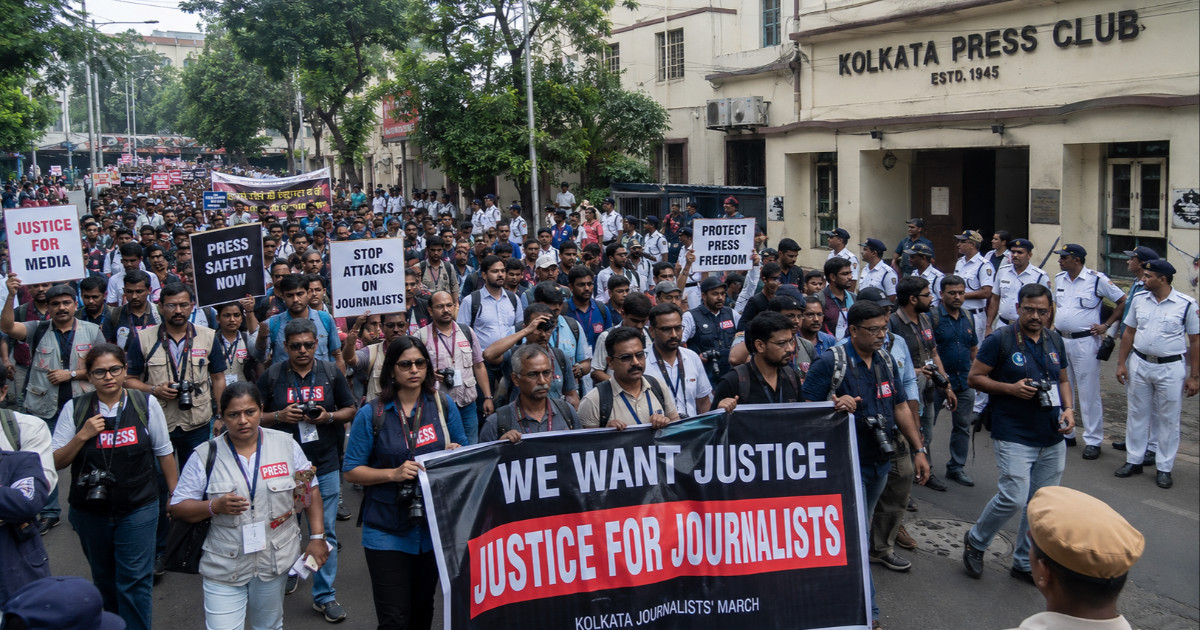
Journalists’ bodies in Pakistan have held demonstrations nationwide.
Reporters without Borders said in a statement last week that PEMRA, “takes its lead from the military establishment.”
The military, which routinely denies accusations of interfering in civilian matters, said it would not respond to unspecified accusations.
In Washington, Khan dismissed concerns about media freedom, saying it was freer than the media in Britain.
“The criticism I have received from my own press, unprecedented,” he said. “So, to say that there are curbs on Pakistan press is a joke.” — Reuters
Key Points
- Opposition accuses Khan of intimidating broadcasters.
- Media blackout affects coverage of critical opposition protests.
- Journalists face pressure and intimidation from government and military.
- Proposals for special media courts spark concern over press freedom.
- Major media outlets like Geo News have faced severe restrictions.
Relevant Topics
Ask AI: Understand this story your way
AI EnabledDig deeper, ask anything — get instant context, background, and clarity.
Disclaimer: This feature is powered by AI and is intended to help readers explore and understand news stories more easily. While we strive for accuracy, AI-generated responses may occasionally be incomplete or reflect limitations in the underlying model. This feature does not represent the editorial views of JournalismPakistan. For our full, verified reporting, please refer to the original article.