
Indian journalist, magazine face criminal complaint for investigative report
JournalismPakistan.com | Published: 11 August 2016
Join our WhatsApp channel
Indian journalist Neha Dixit and the magazine Outlook have been targeted with a criminal complaint following an investigative report. The report alleges child trafficking by a nationalist group, raising concerns for press freedom and journalist safety.Summary
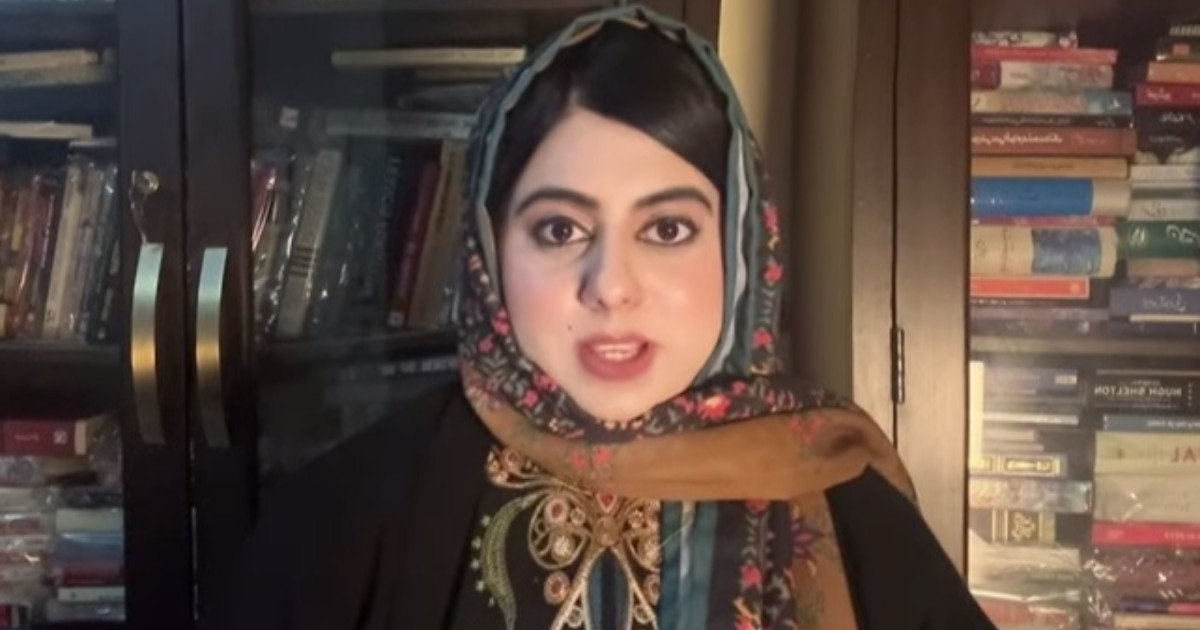
NEW YORK - Indian authorities should shelve a criminal complaint against the weekly Indian magazine Outlook, its leadership, and freelance journalist Neha Dixit (pictured), and ensure the safety of the journalist and Outlook's staff, the Committee to Protect Journalists said Thursday. On August 4, SC Koyal, an assistant solicitor general of the government of India at the Gauhati High Court, and Bijon Mahajan, a spokesman for the ruling Hindu nationalist Bharatiya Janata Party (BJP), filed a criminal complaint against the English-language magazine Outlook, its publisher, Indranil Roy, its editor, Krishna Prasad, and Dixit.
The complaint alleged that a July 29 story Dixit wrote for Outlook violated Indian laws against inciting hatred between groups, according to the Assam Tribune. The story accused members of the Hindu nationalist group Rashtriya Swayamsevak Sangh (RSS) of trafficking 31 girls of tribal background in the northeastern state of Assam to other parts of India in an effort to inculcate them with a nationalist ideology. Dixit's story was widely circulated on social media. Since then, internet users have published photos of Dixit and her husband, sent her abusive tweets, and called for her arrest, according to social media posts reviewed by CPJ. In an open letter published on the news website Daily News and Analysis, Priti Gandhi, a national executive member of the BJP's women's wing, denied the allegations raised in the Outlook report. The RSS is the ideological fountainhead of the BJP, the party of government both in Assam and at the federal level. According to Outlook, a July 29 report in Cobrapost, and an August 7 open letter from civil society activists and journalists, police have not sought charges in response to the allegations of child trafficking, despite requests from the Assam State Commission for the Protection of Child Rights and the Child Line India Foundation, a non governmental organization. At the time of publication, Assam Superintendent of Police Prasanta Saikia had not responded to an emailed request for comment CPJ sent yesterday. Repeated phone calls to the Assam police headquarters did not go through. "Faced with troubling allegations of child trafficking, Indian police have chosen to pursue the messengers: Neha Dixit and Outlook magazine," said CPJ Asia Program Senior Research Associate Sumit Galhotra. "Indian authorities should ensure that journalists can do their work freely and safely, without fear of harassment." In their complaint, Koyal and Mahajan alleged that a portion of Dixit's report violated section 153A of the Indian Penal Code, which criminalizes promotion of "disharmony or feelings of enmity, hatred or ill-will between different religious, racial, language or regional groups or castes or communities," online news website Scroll reported. India's Supreme Court has in its rulings narrowed the scope of this and other laws limiting speech, but human rights groups have found that state governments and local courts continue to apply the laws inconsistently. CPJ research shows that section 153A of the Penal Code, a colonial-era provision, has been used to attempt to silence journalists, writers, and academics in India. The provision was invoked against Pushp Sharma of the Milli Gazette in May 2016 and against Shirin Dalvi of the Urdu-language Avadhnama in 2015. - Committee to Protect Journalists
Image courtesy: Outlook
KEY POINTS:
- Criminal complaint filed against journalist and magazine in India.
- Report alleges trafficking of girls by nationalist group in Assam.
- Authorities criticized for pursuing journalists over serious allegations.
- Call for improved safety for journalists in India.
- Previous historical misuse of laws against journalists noted.