
What journalists should know about defamation law in Pakistan
JournalismPakistan.com | Published: 29 January 2026 | JP Staff Report
Join our WhatsApp channel
Pakistan's defamation law exposes journalists to civil suits and criminal charges for statements in print, broadcast and online. The Defamation Ordinance, 2002 permits district court claims; PPC sections 499-500 may incur fines or up to two years' imprisonment.Summary
ISLAMABAD — Defamation law in Pakistan remains one of the most important legal frameworks journalists must understand as part of journalism basics, particularly in an environment where reporting on politics, courts, business, and security routinely attracts scrutiny.
Defamation claims can arise from print, broadcast, and digital reporting, including headlines, social media posts, and opinion pieces published by journalists or media organizations.
In Pakistan, defamation is governed by both civil and criminal law, creating overlapping risks for reporters and editors. The primary statute for civil defamation is the Defamation Ordinance, 2002, which applies to false statements that harm the reputation of a person, group, or organization. Criminal defamation, meanwhile, is covered under sections 499 and 500 of the Pakistan Penal Code, which define defamation as making or publishing any imputation intended to harm a person’s reputation.
Understanding civil and criminal defamation
Under the Defamation Ordinance, 2002, a person who believes their reputation has been harmed can file a complaint before a district judge. The law defines defamation broadly to include spoken or written words, visual representations, or electronic communications that injure reputation. If defamation is proven, the court may award general damages, special damages, or both, depending on the harm established.
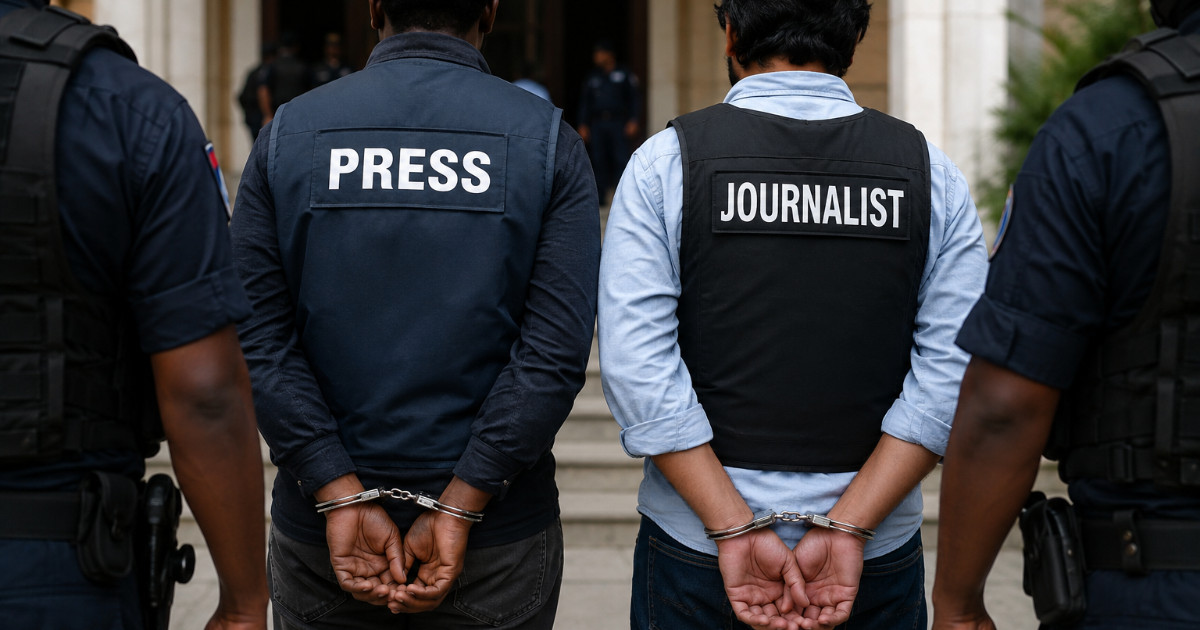
Criminal defamation under the Pakistan Penal Code carries the possibility of imprisonment for up to two years, a fine, or both. While criminal defamation cases are less common than civil suits, their existence significantly raises the stakes for journalists. Even when cases do not result in convictions, the process itself can involve police complaints, court appearances, and prolonged legal pressure, which can discourage investigative or critical reporting.
Truth, public interest, and good faith
One of the most important protections available to journalists is the defense of truth, particularly when reporting is demonstrably accurate and supported by evidence. Pakistani law recognizes that truthful reporting made for the public good may not amount to defamation. However, courts closely examine whether the journalist acted responsibly and relied on verifiable information rather than rumor or speculation.
Good faith is another critical consideration. Reporting that is carried out with due diligence, careful verification, and an absence of malice is more defensible than content published recklessly. Journalists are expected to follow established journalism skills, such as confirming allegations with multiple sources, seeking responses from those accused, and clearly distinguishing facts from opinion.
Defamation risks in digital journalism
The rise of online journalism and social media has expanded defamation risks for reporters and newsrooms. Tweets, Facebook posts, YouTube videos, and online headlines are all considered publications under Pakistani law. A single post shared widely can trigger legal action, even if it was intended as commentary or analysis rather than a factual claim.
Editors and journalists should be particularly cautious with headlines and thumbnails, which may be read independently of the full story. Courts may assess whether a reasonable reader could be misled by a headline, even if the body of the article provides nuance or context. This has made careful editorial review an increasingly important newsroom practice.
Role of media ethics and editorial safeguards
Adherence to media ethics plays a central role in reducing defamation exposure. Ethical journalism emphasizes accuracy, fairness, and balance, all of which align closely with legal expectations. Offering the right of reply, correcting errors promptly, and avoiding sensational language are not just professional standards but also practical legal safeguards.
Many Pakistani news organizations now rely on legal review processes for sensitive stories, particularly those involving allegations of corruption, misconduct, or abuse of power. While smaller outlets and freelance journalists may lack access to in-house legal counsel, basic precautions such as documenting sources and preserving evidence can be crucial if a claim arises.
Courts, criticism, and limits on free expression
Pakistani courts have consistently held that criticism of public officials is permissible within limits, especially when it relates to their public duties. However, accusations of personal wrongdoing require strong evidentiary backing. Journalists must clearly distinguish between reporting verified facts, quoting allegations made by others, and expressing opinion.
Courts may also examine intent and tone, especially in opinion columns or talk shows. While opinion is protected, it cannot be based on false assertions of fact. This distinction is particularly relevant for broadcast media and digital commentary, where heated language can blur the line between analysis and allegation.
Practical lessons for journalists
For journalists, defamation law underscores the importance of core journalism basics: verification, attribution, balance, and clarity. Keeping detailed notes, recordings, and documents can help demonstrate good faith if reporting is challenged. Avoiding anonymous allegations unless absolutely necessary, and clearly explaining their basis, reduces legal vulnerability.
As Pakistan’s media landscape continues to evolve, defamation law remains a key area where legal awareness intersects directly with journalism skills and newsroom decision-making. Understanding these rules does not mean avoiding tough stories, but rather reporting them with rigor, fairness, and documented evidence.
WHY THIS MATTERS: Defamation law directly shapes how Pakistani journalists report on powerful individuals and institutions, influencing editorial decisions and newsroom risk assessments. A clear understanding of legal boundaries helps media professionals protect themselves while maintaining ethical and accurate reporting. For news organizations, legal literacy supports sustainable journalism by reducing avoidable litigation and reputational harm.
ATTRIBUTION: Reporting and analysis based on publicly available Pakistani laws, including the Defamation Ordinance, 2002, sections 499 and 500 of the Pakistan Penal Code, relevant Supreme Court and High Court judgments, and established media ethics codes.
PHOTO: By Sergei Tokmakov, Esq. https://Terms.Law from Pixabay
Key Points
- Defamation covers print, broadcast and digital statements, including headlines and social posts.
- The Defamation Ordinance, 2002 allows complainants to seek damages before a district judge.
- Pakistan Penal Code sections 499-500 criminalise defamatory imputations, with fines or up to two years' jail.
- Civil and criminal frameworks overlap, creating dual legal risks for reporters and editors.
- Journalists should know available defences, procedural steps and risk mitigation when reporting.
Relevant Topics
Ask AI: Understand this story your way
AI EnabledDig deeper, ask anything — get instant context, background, and clarity.
Disclaimer: This feature is powered by AI and is intended to help readers explore and understand news stories more easily. While we strive for accuracy, AI-generated responses may occasionally be incomplete or reflect limitations in the underlying model. This feature does not represent the editorial views of JournalismPakistan. For our full, verified reporting, please refer to the original article.