
Warning: Press freedom under threat
JournalismPakistan.com | Published: 2 May 2017
Join our WhatsApp channel
The International Federation of Journalists' report highlights the ongoing threats to press freedom around the world. It details the violence and intimidation journalists face daily and outlines the efforts of unions to defend media rights.Summary
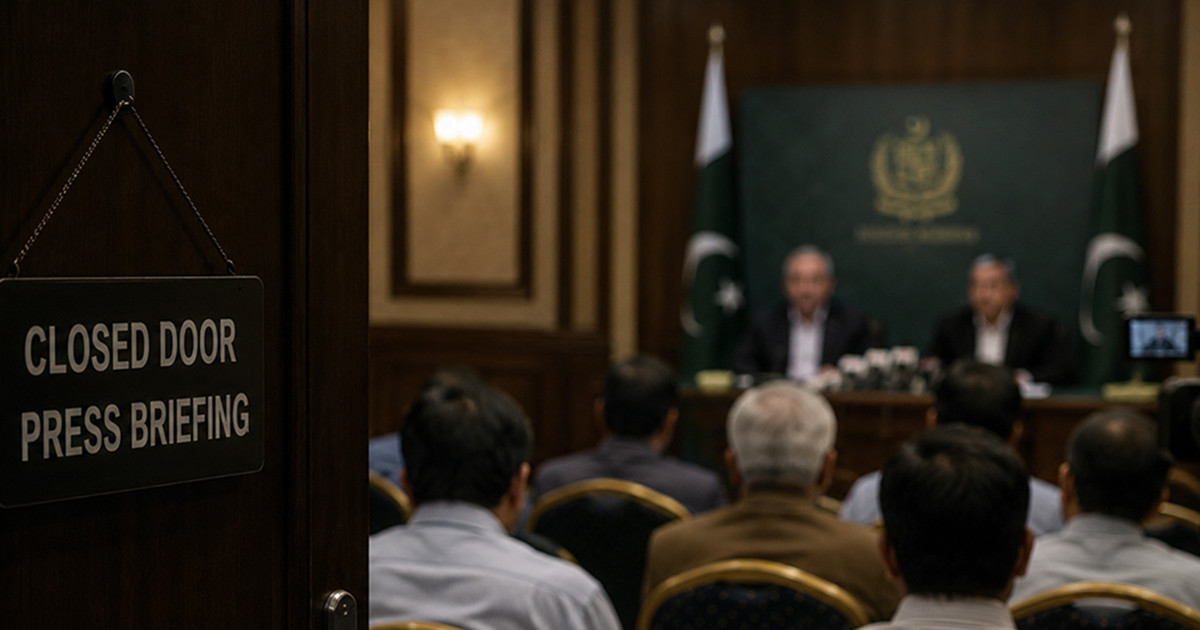
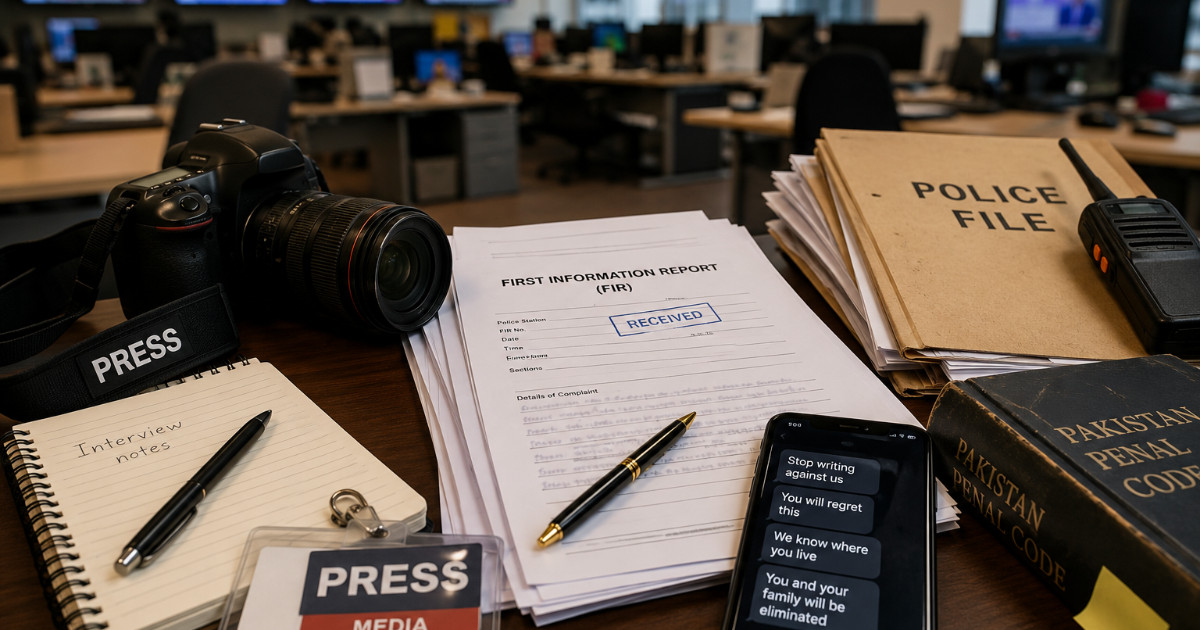
BRUSSELS - Journalists face killings, attacks, violence, bans and intimidation on a daily basis, a new study shows.
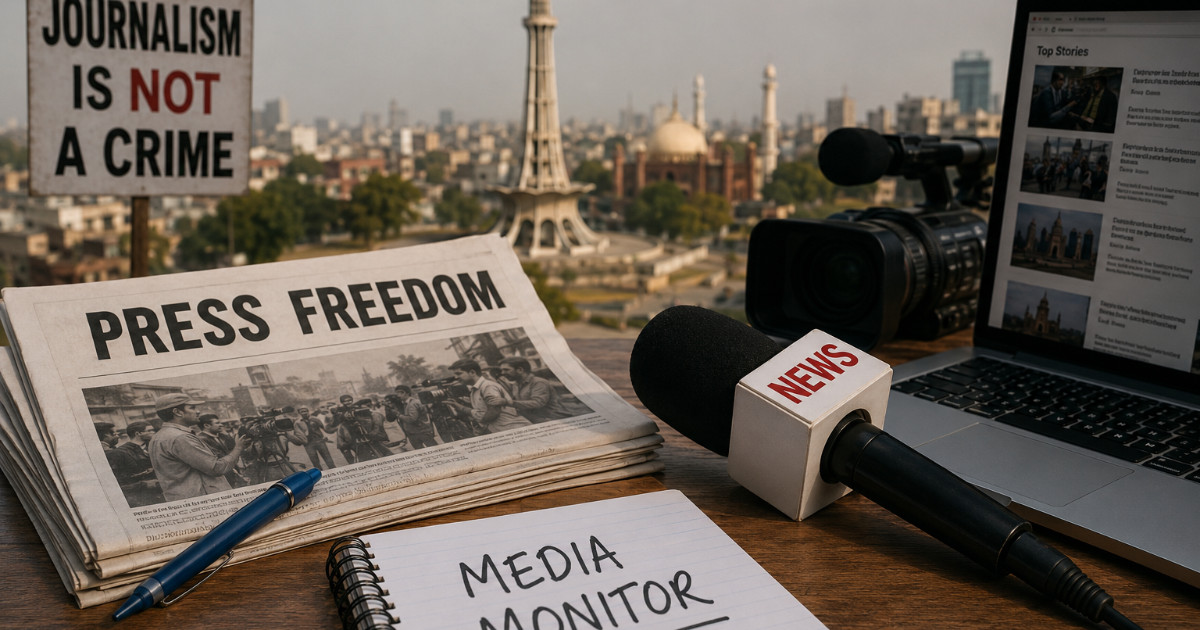
The ongoing threats to independent journalism across the world are exposed in a new report issued by the International Federation of Journalists (IFJ) to mark World Press Freedom Day on May 3.
But the survey of the press freedom situation in more than a dozen countries also shows that journalists unions have led protests, industrial action, campaigns, legal challenges and other actions to defend media freedom and the labor rights of journalists.
For the second year, the IFJ surveyed its members on the situation of press freedom and the trade union rights in journalism around the world. From Manila to Lima through Kuala Lumpur, Kiev and Ougadougou, the survey’s findings paint a grim picture of the state of the threat to independent journalism.
The survey shows that journalism remains in the grip of violence and that threats, both physical and increasingly in the form of online trolling where journalists are relentlessly persecuted by invisible and unidentifiable attackers in total impunity are widespread.
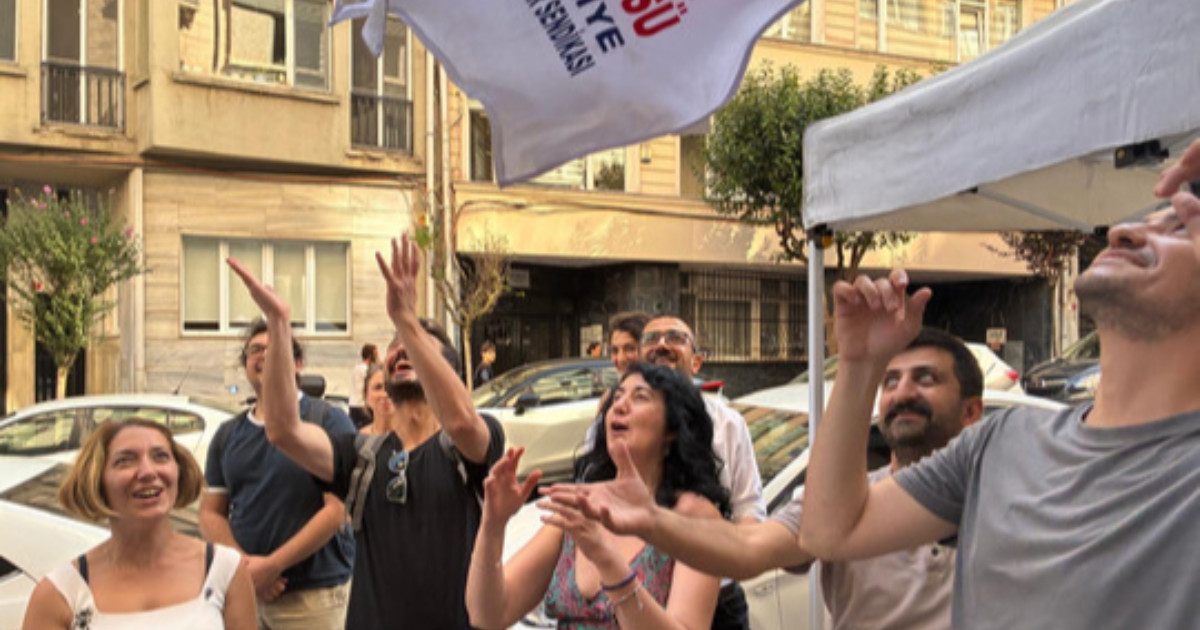
Such violence often targets women journalists – for example in Peru - who are seeing unacceptable violations of their private lives. It is also a form of intimidation widespread in Turkey where it has become a daily act of violence by the governing party, its supporters and the security apparatus. Intimidation and harassment can take the form of warnings from ministers to journalists “to watch their steps,” as well as internet lynching campaigns by pro-government trolls, according to DÄ°SK Basın-Ä°ÅŸ, an IFJ affiliate.
Criminal litigation is also a major challenge to press freedom, with many repressive regimes resorting to the jailing of journalists based on gagging media laws such as criminal defamation and anti-terrorism legislation.
As a case in point , the DİSK Basın-İş says that the use of such laws has become a legal catch-all used against journalists in Turkey, where at least 145 journalists are behind bars, including at least 79 arrested during 2016 alone. However, the most serious concern for journalists remains the levels of physical violence which gives rise to the high numbers of killings recorded in recent decades. Last year alone, the IFJ listed 93 cases of killings of journalists around the world while 13 have so far lost their lives to violence since the start of 2017.
If ever there was a clearer demonstration of the scant regard many leaders have for media freedom it was the comments by President Duterte of the Philippines in response to a question about what action he would take to tackle the killings of journalists in the country.
“Just because you’re a journalist, you are not exempted from assassination, if you’re a son of a bitch”, he said.
The survey also highlighted the threats and risks for the IFJ’s unions’ leaders in standing up for journalism and the rights of journalists. While some were fired from their jobs and some were denied career opportunities for their union work, the unions had also won important victories, striking blows for independent reporting and decent working conditions.
An official who was behind an attack on a journalist in Burkina Faso was dismissed as a result of the campaign by Association des journalistes du Burkina Faso (AJB). In Malaysia the union’s mobilization resulted in the arrest of the perpetrator of an attack on a news organization building.
In Ukraine, a union leader who had been dismissed from Vilʹnym shlyakhom newspaper because of his union work was reinstated by a court following a strong mobilization by the two IFJ affiliates, the National Union of Journalists of Ukraine and Independent Media Trade Union of Ukraine.
And from Peru to Belgium, Mongolia to San Marino, Malaysia to Cyprus journalists unions had made formal protests to national and regional human rights bodies, taken up legal challenges and staged actions – from strikes to protests – to defend media freedom and the rights of journalists.
IFJ General Secretary Anthony Bellanger said: “Our survey shows the continuing threats throughout the world to media freedom and journalists rights but it also shows the daily and sometimes heroic work being done by journalists unions and organizations across the globe to defend the professional and social rights of journalists – there can be no clearer demonstration of the need to build professional solidarity in order to protect and extend media freedom”.
IFJ President Philippe Leruth said: “World Press Freedom Day is a chance to both expose those who undermine media freedom or attack independent journalism but also to call on the international community to do more to tackle the threats and put an end to impunity”.
Across the globe, IFJ affiliates will be running specific actions to celebrate press freedom. – IFJ media release
Key Points
- New IFJ report reveals threats to press freedom globally.
- Journalists face violence, harassment, and legal challenges.
- Unions are actively defending journalists' rights through protests.
- High rates of killings continue to threaten independent journalism.
- International community urged to address press freedom violations.
Relevant Topics
Ask AI: Understand this story your way
AI EnabledDig deeper, ask anything — get instant context, background, and clarity.
Disclaimer: This feature is powered by AI and is intended to help readers explore and understand news stories more easily. While we strive for accuracy, AI-generated responses may occasionally be incomplete or reflect limitations in the underlying model. This feature does not represent the editorial views of JournalismPakistan. For our full, verified reporting, please refer to the original article.