
Justice denied: Mother of slain journalist Arshad Sharif dies awaiting accountability
JournalismPakistan.com | Published: 26 October 2025 | JP Staff Report
Join our WhatsApp channel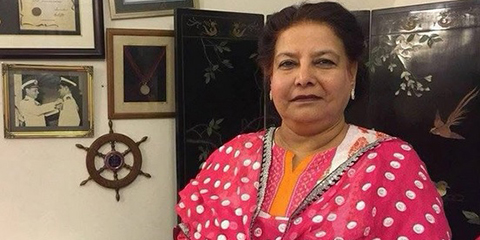
Riffat Ara Alvi, mother of journalist Arshad Sharif, has died while pursuing accountability for her son's murder. Her passing raises questions about the future of justice in Pakistan's media landscape.Summary
ISLAMABAD — On Sunday, the family of veteran Pakistani journalist Arshad Sharif announced the passing of his mother, Riffat Ara Alvi, who had for years pursued justice for her son’s killing in Kenya. Her death comes after a brief illness, leaving behind not only grieving relatives but also a symbolic void in the ongoing demand for accountability in one of Pakistan’s most controversial media murders.
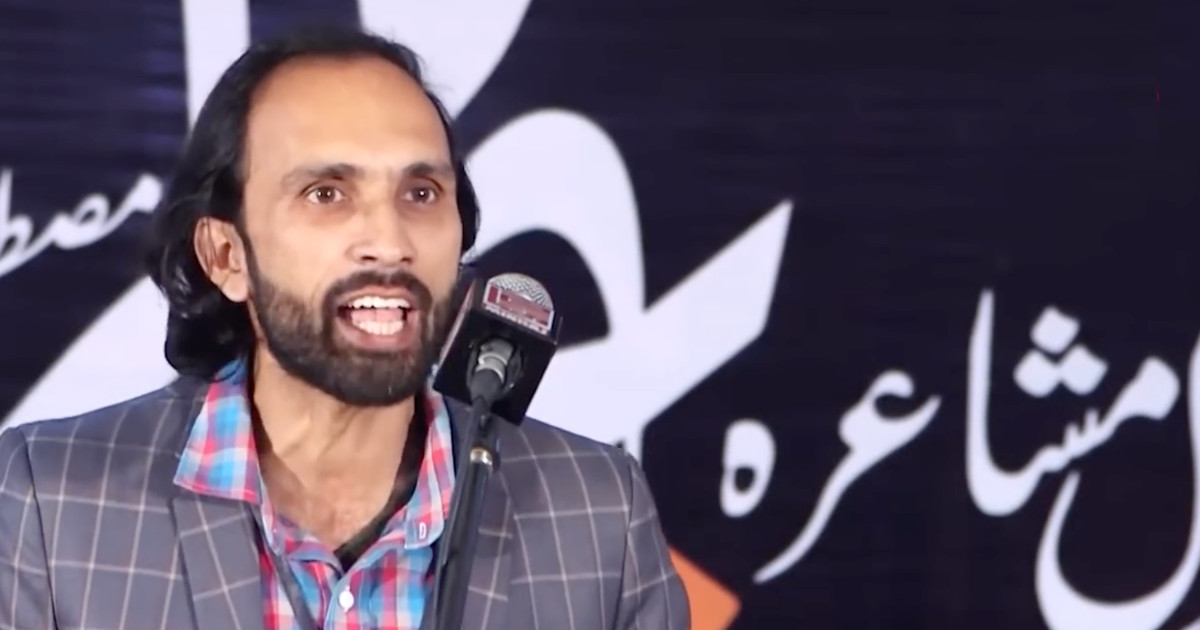
Arshad Sharif, a prominent television anchor and investigative reporter, was shot dead by Kenyan police in Kajiado on October 23, 2022. Kenyan authorities described the incident as a case of “mistaken identity,” but the narrative has been fiercely challenged by his family and media watchdog organisations.
From the very moment of his death, his mother, Riffat Ara Alvi, refused to accept the “mistaken identity” explanation. She wrote to Pakistan’s judiciary alleging involvement of senior military and intelligence figures in her son’s killing, charges that triggered headlines, heated debate, and calls for a full-scale judicial inquiry.
In doing so, she became more than a grieving mother: she became a voice for institutional accountability, for the rights of journalists, and for transparency in cross-border investigations. Her persistent demand for answers kept her son’s memory alive in public discourse and kept pressure on Pakistani authorities and international observers alike.
Yet despite her efforts, the case remains unresolved. A committee set up to investigate the killing submitted a report to Pakistan’s interior secretary, but major questions remain unanswered: Was it really a tragic mistake or a targeted assassination? Who will be held responsible? Meanwhile, the legal process has dragged on, and critical parts of the inquiry remain opaque.
Now, with her passing, there is a palpable sense of loss not only for the family but for the broader cause she represented. Her death raises difficult questions: Will justice now be delayed further? Will the momentum for accountability fade with her voice gone? Or will it galvanise renewed calls for transparency and protection for journalists?
For the family of Arshad Sharif, this is a tragic moment. For colleagues and media-freedom advocates, it is a warning that individual persistence is not enough; systems must deliver. And for Pakistan’s civil society, it is a reminder that the death of a loved one is only the start of a larger struggle for truth.
As funeral arrangements are finalised, many in Pakistan’s journalism community are expected to pay their respects, honouring a mother who refused to remain silent. Her legacy may hinge on whether the state, the media, and society at large muster the will to turn her quest into a lasting result.
In a world where journalists risk their lives to tell the truth, and families risk further pain to seek justice, the story of Arshad Sharif, his mother, and his wife Javeria Siddique stands out. With Riffat Ara Alvi gone, the spotlight returns to those who must now carry the torch, for her, for her son, for Javeria, for every voice suppressed and every question unanswered.
Key Points
- Riffat Ara Alvi died after a brief illness.
- She tirelessly sought justice for her son, Arshad Sharif, murdered in Kenya.
- Her efforts kept the issue of media accountability alive in public discourse.
- The case remains unresolved, raising doubts about potential further delays for justice.
- Alvi's legacy emphasizes the need for systemic reforms in protecting journalists.
Relevant Topics
Ask AI: Understand this story your way
AI EnabledDig deeper, ask anything — get instant context, background, and clarity.
Disclaimer: This feature is powered by AI and is intended to help readers explore and understand news stories more easily. While we strive for accuracy, AI-generated responses may occasionally be incomplete or reflect limitations in the underlying model. This feature does not represent the editorial views of JournalismPakistan. For our full, verified reporting, please refer to the original article.