
Three legal risks journalists face in Pakistan
JournalismPakistan.com | Published: 17 February 2026 | JP Staff Report
Join our WhatsApp channel
Pakistani journalists face legal exposure from cybercrime laws, defamation suits and anti-terror provisions that increasingly touch routine reporting. Investigations, FIRs and prosecutions can cause arrests, travel bans, equipment seizures and newsroom strain.Summary
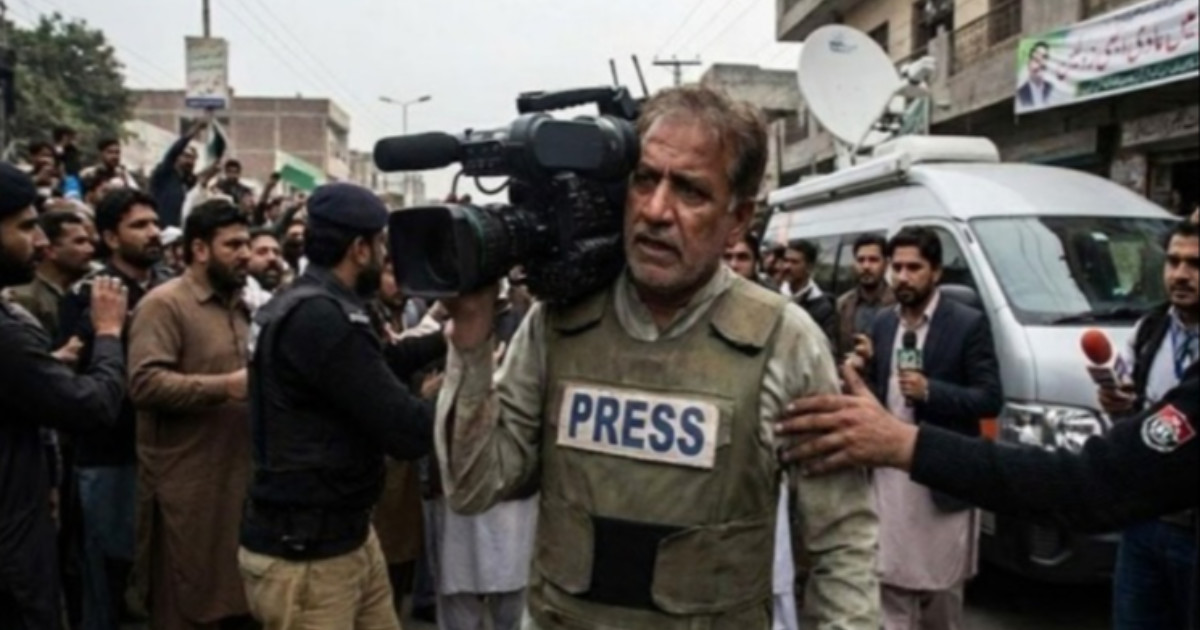
ISLAMABAD — Pakistani journalists continue to navigate a complex legal landscape shaped by cybercrime laws, defamation provisions, and anti-terror regulations that have increasingly intersected with media work in recent years. Court rulings, police actions, and regulatory decisions have underscored how routine reporting can trigger legal consequences.
From investigations under the Prevention of Electronic Crimes Act (PECA) to defamation suits and charges under anti-terror laws, reporters and editors face legal exposure that can disrupt newsrooms and affect editorial decision-making. Below are three of the most common legal risks journalists encounter, based on publicly documented cases and court proceedings.
PECA investigations and online speech cases
Q: How is PECA used in cases involving journalists?
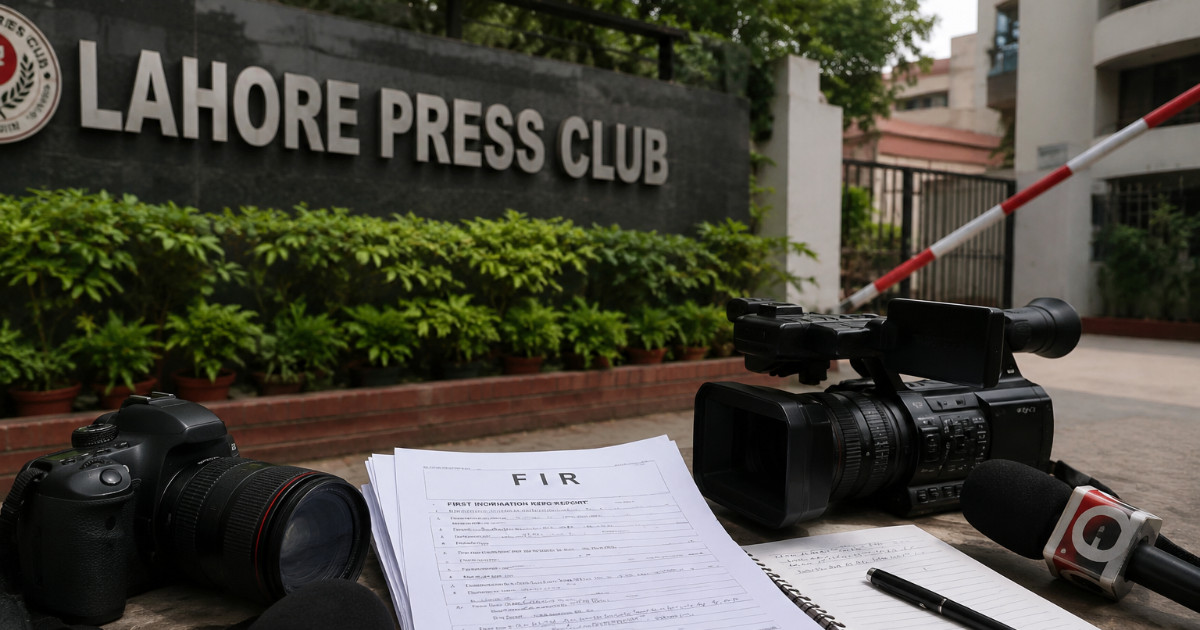
A: The Prevention of Electronic Crimes Act, 2016 (PECA) is Pakistan’s primary cybercrime law. Journalists have been investigated or charged under provisions related to online defamation, “false information,” or content deemed harmful to state institutions. In recent years, police have registered First Information Reports (FIRs) against reporters and digital commentators over social media posts, YouTube content, or online articles. Some cases have been challenged in high courts, with judges scrutinizing the scope and application of certain PECA sections.
Q: What is the practical risk for reporters?
A: Even when cases do not lead to conviction, the process itself can involve arrests, travel restrictions, equipment seizure, or prolonged legal battles. Newsrooms often face pressure to review social media policies and digital verification standards more closely in response.
Defamation suits and civil liability
Q: Are journalists more exposed to defamation claims today?
A: Defamation laws in Pakistan operate at both civil and criminal levels. Public figures, business entities, and political actors have filed defamation suits seeking damages against journalists and media organizations. Some provincial laws, such as the Defamation Ordinance 2002 in Punjab, have been used in civil proceedings, while criminal defamation provisions remain part of the Pakistan Penal Code.
Q: What should journalists keep in mind?
A: Courts generally assess whether reporting was based on verifiable facts, whether due diligence was exercised, and whether allegations were presented as claims rather than established truths. Legal experts often advise maintaining detailed documentation, recorded interviews, and editorial notes to demonstrate good faith and public interest reporting.
Anti-terror and public order charges
Q: Why do anti-terror laws sometimes apply to journalists?
A: In certain high-profile cases, journalists have faced charges under the Anti-Terrorism Act (ATA) or public order provisions after speeches, broadcasts, or commentary were deemed to incite unrest. Anti-terror courts have jurisdiction over a broad range of offenses, and cases have occasionally been transferred between regular courts and special courts following legal challenges.
Q: What does this mean for editorial teams?
A: Coverage of protests, security institutions, and politically sensitive events requires heightened caution. Legal observers note that the framing of language, headlines, and live commentary can become central in determining whether a case proceeds under ordinary criminal law or more stringent anti-terror statutes.
WHY THIS MATTERS: For Pakistani journalists, understanding these legal risks is not just about compliance but about newsroom resilience. Awareness of how PECA, defamation, and anti-terror laws have been applied helps editors refine verification processes, protect reporters, and anticipate legal exposure. In a tightening regulatory environment, legal literacy is becoming a core professional skill.
ATTRIBUTION: This Q&A draws on publicly available Pakistani court judgments, FIR records reported by national news outlets, and the official text of the Prevention of Electronic Crimes Act, 2016, the Pakistan Penal Code, and the Anti-Terrorism Act.
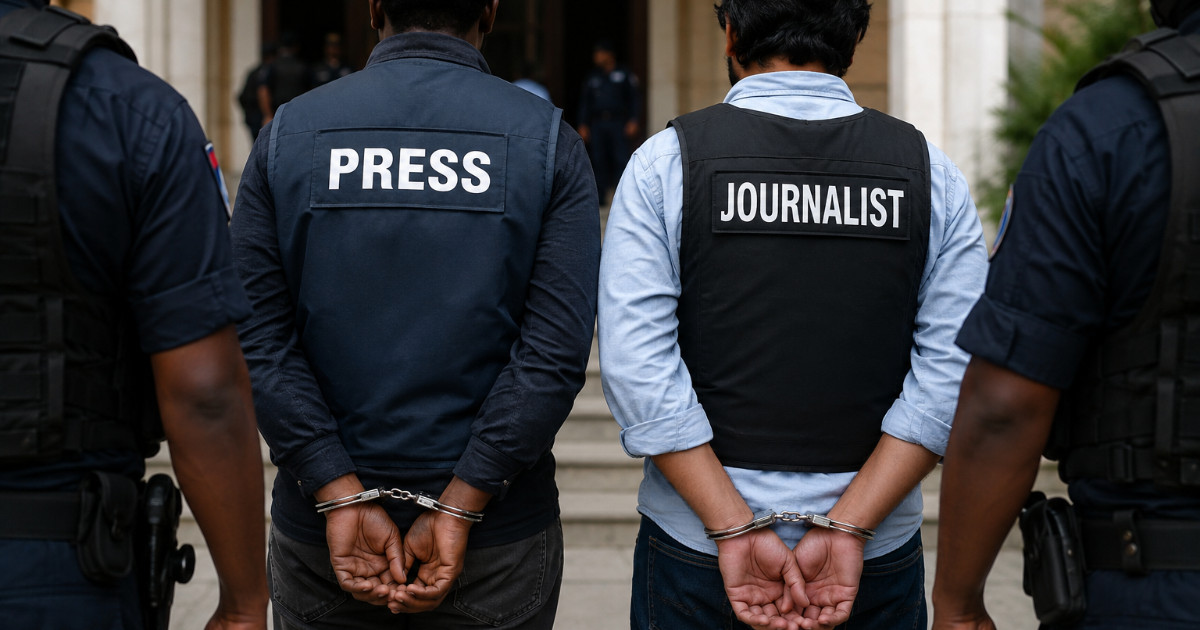
PHOTO: AI-generated; for illustrative purposes only.
Key Points
- Investigations under PECA often target online posts, social media and digital journalism, leading to FIRs and police action.
- Defamation suits can be filed by individuals or institutions, resulting in legal costs, injunctions and chilling effects on reporting.
- Anti-terror provisions have been used to press charges against reporting deemed harmful to state or public order.
- Legal processes can involve arrests, travel bans, equipment seizures, and prolonged court battles that disrupt newsrooms.
- Judicial scrutiny and high court challenges have at times limited overreach, but legal risks remain for routine reporting.
Key Questions & Answers
How is PECA used in cases involving journalists?
The Prevention of Electronic Crimes Act (PECA) has been invoked over online posts, articles and social media content; FIRs and probes under PECA can lead to arrests, equipment seizure and prosecutions.
What practical risks do defamation suits pose?
Defamation cases can bring fines, injunctions, lengthy legal fees and a chilling effect that alters editorial decisions or leads to self-censorship.
How are anti-terror laws applied to media work?
Anti-terror and security provisions have sometimes been used to frame reporting as a threat to public order or state institutions, exposing journalists to serious criminal charges.
What steps can journalists take to reduce legal exposure?
Newsrooms can adopt legal review of sensitive stories, maintain documentation and fact-checking, seek legal counsel early, and rely on solidarity networks and judicial remedies when charged.
Relevant Topics
Ask AI: Understand this story your way
AI EnabledDig deeper, ask anything — get instant context, background, and clarity.
Disclaimer: This feature is powered by AI and is intended to help readers explore and understand news stories more easily. While we strive for accuracy, AI-generated responses may occasionally be incomplete or reflect limitations in the underlying model. This feature does not represent the editorial views of JournalismPakistan. For our full, verified reporting, please refer to the original article.