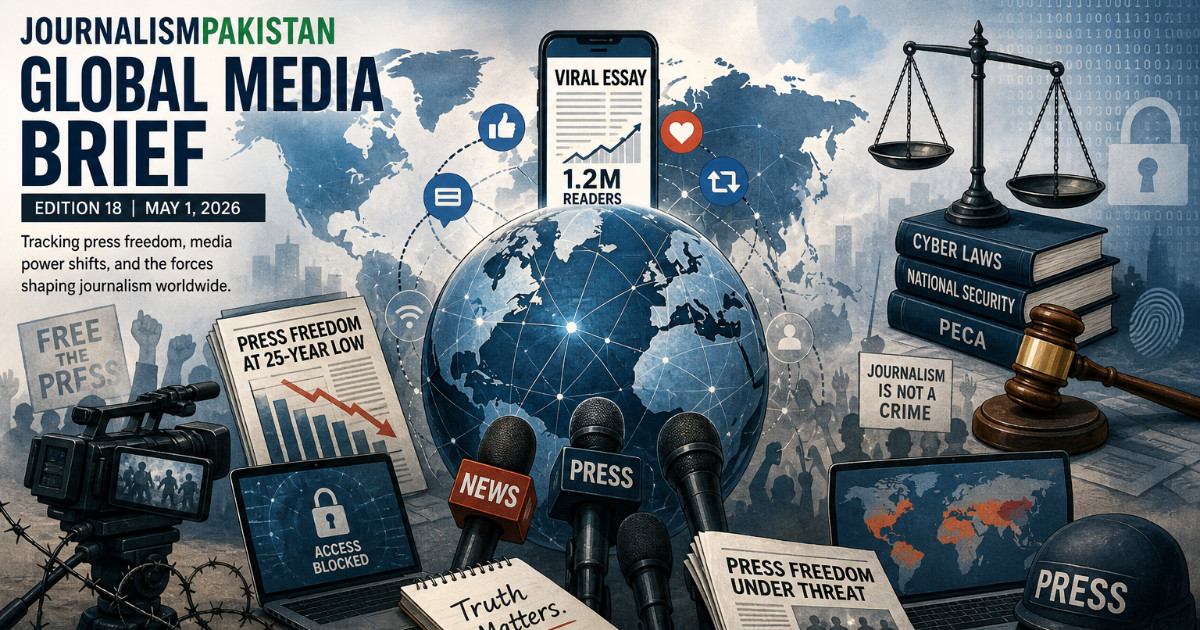

The JournalismPakistan Global Media Brief | Edition 6 | February 6, 2026
JournalismPakistan.com | Published: 6 February 2026 | JP News Desk
Join our WhatsApp channel
A concise snapshot of political, economic, and technological forces reshaping journalism, focusing on newsroom restructuring, media regulation, platform influence, and industry innovation across Asia, the Middle East, and the world. Press freedom developments are covered in detail in the JP Press Freedom Tracker, published every Sunday.Summary
Editor's note
Welcome to the sixth edition of the JournalismPakistan Global Media Brief. This weekly briefing highlights key developments affecting journalism, with a focus on press freedom, newsroom sustainability, and the balance of power between media, governments, courts, and technology platforms. This edition reflects a period of tightening controls and structural pressures on independent media.
Global media power shifts
Venezuela amnesty bill may free journalists and political prisoners — Venezuela’s acting president Delcy Rodríguez announced a sweeping amnesty bill that could lead to the release of political prisoners, including journalists and human rights activists. The National Assembly is expected to fast-track the measure, but the bill’s full text has not been published, leaving eligibility unclear.
Don Lemon pleads not guilty to federal protest charges — Former CNN anchor Don Lemon entered a not guilty plea in federal court over charges linked to his reporting on an anti-immigration enforcement protest in Minnesota, highlighting the legal risks journalists face covering contentious events.
Washington Post cuts one-third of newsroom staff — The Washington Post laid off roughly one-third of employees, intensifying pressure on the newsroom and reflecting broader financial strains across legacy media organizations.
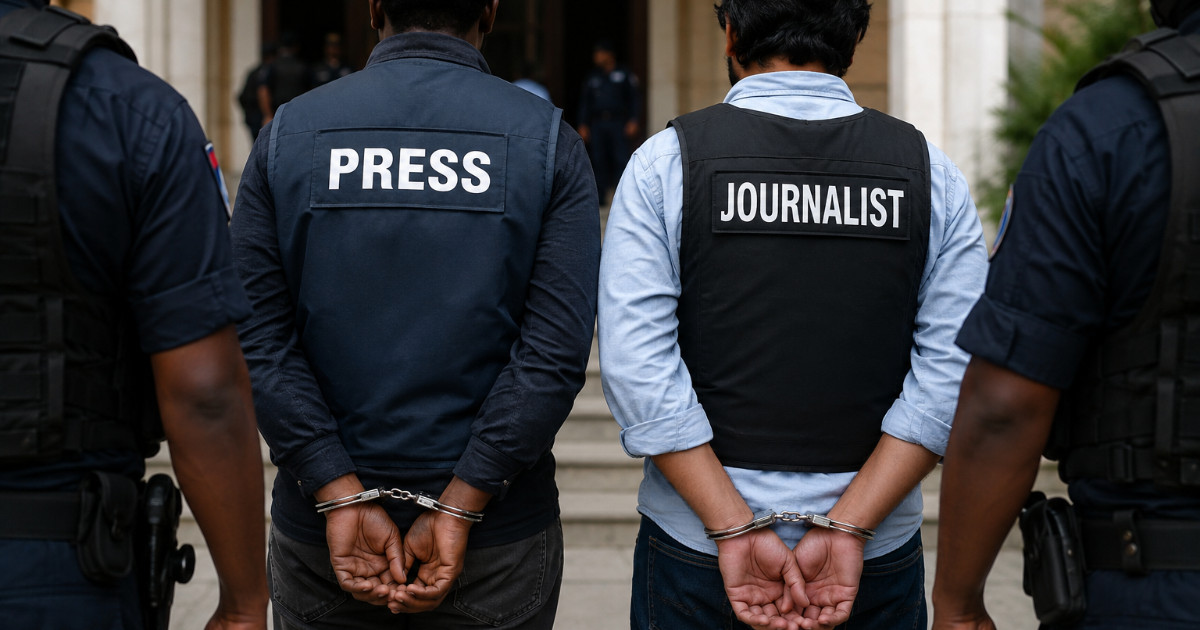
Economist warns of structural decline in press freedom — The Economist argues that corrupt political actors worldwide are exploiting weakened institutional safeguards, regulatory expansion, and economic vulnerabilities to tighten control over independent media, signaling a broader shift in the global information landscape.
Asia media watch
Bangladesh media freedom faces threat from rushed ordinances — Rights group Article 19 warned that Bangladesh’s interim government issued draft ordinances to create new media regulatory bodies with only three days for public feedback, a process that could weaken freedom of expression.
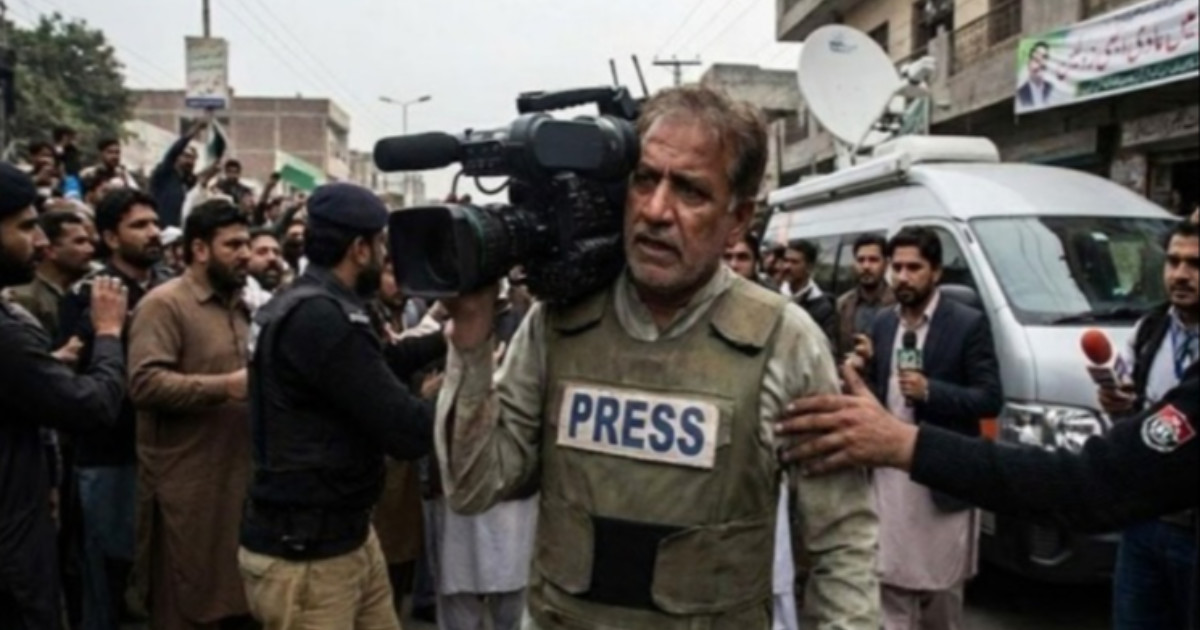
TV news priorities questioned after Islamabad blast— A deadly attack in Pakistan’s capital triggered public criticism of major television networks for prioritizing festival programming over breaking news, highlighting ongoing tensions between traditional broadcast editorial control and real-time digital reporting.
Middle East media
UAE requires an advertiser permit for online promotions — The UAE Media Council now requires advertisers and social media creators to obtain official permits before publishing promotional content, expanding regulatory oversight of digital advertising.
Saudi Media Forum highlights innovation and control — Saudi Arabia opened the fifth Saudi Media Forum, bringing together media leaders to discuss technology, ethics, and industry transformation, reflecting the kingdom’s growing influence on regional media.
Platforms and technology
Indonesia warns AI is reshaping journalism — Indonesia’s deputy minister for communications and digital affairs cautioned that rapid AI advances are transforming news production and discovery, creating new ethical and economic challenges for newsrooms.
Press freedom and journalist safety
See press freedom incidents in our latest JP Press Freedom Tracker here.
Why this matters
Governments, courts, platforms, and security forces are increasingly controlling information flows. Newsrooms face simultaneous legal, regulatory, economic, and physical pressures. For Pakistani journalists, these global trends mirror local challenges, emphasizing the need for stronger professional safeguards, cross-border solidarity, and attention to international media developments.
See last week's Global Media Briefhere.
PHOTO: By Gerd Altmann from Pixabay
Key Points
- Venezuela proposes an amnesty bill that could free political prisoners, including journalists.
- Don Lemon pleads not guilty to federal protest-related charges, highlighting legal risks for journalists.
- The Washington Post lays off roughly one-third of staff, reflecting financial pressures on legacy media.
- Bangladesh issues rushed media ordinances, raising concerns over freedom of expression.
- UAE requires official permits for online advertising, expanding regulatory oversight of digital content.
- Indonesia warns AI is reshaping journalism, creating ethical and economic challenges for newsrooms.
Relevant Topics
Ask AI: Understand this story your way
AI EnabledDig deeper, ask anything — get instant context, background, and clarity.
Disclaimer: This feature is powered by AI and is intended to help readers explore and understand news stories more easily. While we strive for accuracy, AI-generated responses may occasionally be incomplete or reflect limitations in the underlying model. This feature does not represent the editorial views of JournalismPakistan. For our full, verified reporting, please refer to the original article.