

South Korea defends online speech law after U.S. criticism
JournalismPakistan.com | Published: 7 August 2026 | JP Asia Desk
Join our WhatsApp channel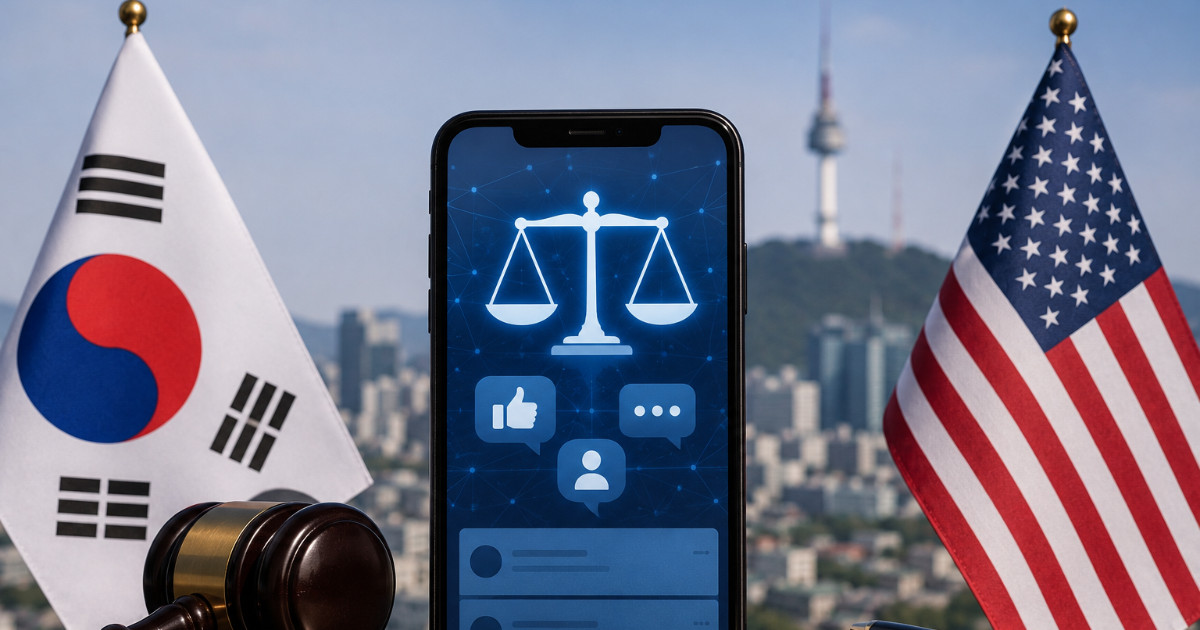
South Korea defended amendments to the Information and Communications Network Act as necessary to tackle false and manipulated online content and bolster user protections, dismissing U.S. lawmakers' warnings that the law unfairly targets American platforms or enables censorship.Summary
SEOUL — South Korea has defended its revised Information and Communications Network Act after senior U.S. lawmakers claimed the legislation could threaten online free speech and unfairly target American technology companies.
The South Korean government said the law is designed to combat harms caused by false and manipulated information in the digital environment while strengthening protections for internet users. Officials rejected allegations that the legislation discriminates against foreign companies or was crafted to restrict freedom of expression.
Protecting users amid digital risks
The response followed a letter from the U.S. House Judiciary Committee, led by Chairman Jim Jordan, expressing concern that the amended law could become a tool for censorship. The committee argued that the legislation poses "a major threat to online speech and expression" and warned that its broad language could enable authorities to suppress politically disfavored viewpoints.
According to the committee, the amendment appears to focus disproportionately on U.S.-based online platforms, including YouTube, and could impose burdens that affect American digital companies operating in South Korea. The lawmakers also questioned whether the measure complies with commitments to avoid discriminatory treatment of foreign digital service providers.
South Korea's Foreign Ministry dismissed those claims, saying the amendment was introduced to address "social harms arising from changes in the digital environment" and to improve user protection. It stressed that the law contains no provisions that discriminate against either domestic or foreign companies and that constitutional protections for freedom of expression remain in place.
The ministry added that Seoul has continued consultations with U.S. officials and other stakeholders to explain the purpose of the legislation and intends to maintain dialogue during its implementation.
How the law works
The revised Information and Communications Network Act took effect in early July after a six-month implementation period following its passage by the National Assembly in December 2025. The government says the legislation responds to growing concerns about online disinformation, particularly as social media platforms and generative artificial intelligence make fabricated content easier to produce and distribute.
Under the amendment, major online platforms are required to establish procedures for handling reports of false or manipulated information, publish transparency reports on their efforts, and strengthen systems aimed at limiting the spread of harmful content. Certain publishers and platform operators may face civil penalties if they repeatedly disseminate fabricated information that causes demonstrable harm.
The requirements apply to both domestic and foreign platforms meeting specified user thresholds, including services such as Google, Meta, X, Naver and Kakao. South Korean authorities maintain that the obligations are based on platform size and reach rather than nationality.
Broader debate over regulation
The dispute reflects a wider international debate over how governments should respond to online disinformation without undermining freedom of expression. Regulators in several jurisdictions have introduced measures requiring large digital platforms to take greater responsibility for harmful or false content, while critics argue that broadly worded laws risk encouraging excessive moderation or political censorship.
The exchange between Washington and Seoul also underscores increasing scrutiny of digital platform regulation as governments attempt to balance user safety, election integrity and public trust with protections for free speech and open internet principles.
ATTRIBUTION: Based on public statements by South Korea's Foreign Ministry and reporting by Yonhap News Agency (August 7, 2026), together with publicly available materials from the U.S. House Judiciary Committee regarding lawmakers' concerns over the revised legislation.
PHOTO: AI-generated; for illustrative purposes only.
Key Points
- South Korea says the revised law aims to combat false and manipulated information online and strengthen user protections.
- The U.S. House Judiciary Committee, led by Jim Jordan, warned the amendment could threaten online speech and be used for censorship.
- U.S. lawmakers expressed concern the law might disproportionately affect U.S.-based platforms such as YouTube and violate non-discrimination commitments.
- South Korea's Foreign Ministry rejected claims of discrimination or intent to restrict freedom of expression, calling the measure a response to digital-era social harms.
- The debate centers on balancing measures to curb misinformation with safeguards for free expression and fair treatment of foreign tech firms.
Key Questions & Answers
What does the revised law aim to do?
The government says it aims to combat false and manipulated online information and improve protections for internet users.
Why did U.S. lawmakers criticize the law?
Members of the U.S. House Judiciary Committee warned the law's broad language could be used to suppress speech and may disproportionately target U.S.-based platforms.
Did South Korea admit the law targets foreign companies?
No. South Korea's Foreign Ministry rejected claims of discrimination and said the amendment is not intended to single out foreign tech firms.
What is the core tension in this dispute?
The key issue is balancing efforts to curb online misinformation and protect users with ensuring free expression and fair treatment of international digital service providers.
Relevant Topics
Ask AI: Understand this story your way
AI EnabledDig deeper, ask anything — get instant context, background, and clarity.
Disclaimer: This feature is powered by AI and is intended to help readers explore and understand news stories more easily. While we strive for accuracy, AI-generated responses may occasionally be incomplete or reflect limitations in the underlying model. This feature does not represent the editorial views of JournalismPakistan. For our full, verified reporting, please refer to the original article.