

Philippine media watchdog CMFR to close after 37 years
JournalismPakistan.com | Published: 19 September 2026 | JP Asia Desk
Join our WhatsApp channel
The Center for Media Freedom and Responsibility (CMFR), a Philippine media watchdog founded in 1989, will close on Sept. 30 after 37 years, citing a changed funding environment and inability to secure necessary resources for continued operations.Summary
MANILA — The Center for Media Freedom and Responsibility, one of the Philippines' most established press freedom and journalism standards organizations, will cease operations on September 30 after 37 years, citing difficulties in securing the funding needed to continue its work.
CMFR said support from Philippine and international funders had sustained the organization over nearly four decades, but "multiple factors" had changed the funding environment and made it "difficult to secure the necessary funds for its operations." Its announcement did not identify the factors or disclose further financial details.
Funding crisis ends a 37-year institution
Founded in 1989, CMFR emerged during the Philippines' democratic rebuilding after the 1986 People Power uprising ended the rule of Ferdinand Marcos Sr. It was organized as a private, non-stock, nonprofit institution dedicated to strengthening the news media as an independent pillar of democratic society.
The organization developed an unusual dual mandate. It defended journalists and documented attacks on the press, while also examining whether news organizations met standards of accuracy, fairness, ethics, and public responsibility. That combination made CMFR both an advocate for media freedom and a critic of the media's own performance.
A watchdog for both power and the press
CMFR's programs included media monitoring through its journalism reviews, ethical guidance, training, alerts on threats and attacks, legislative tracking, and advocacy against impunity. It maintained records on journalists killed in the line of duty and provided information used by Philippine and international press freedom groups.
Its work also included the Philippine Journalism Review and the Jaime V. Ongpin Awards for Excellence in Journalism. CMFR administered the awards program from 1989 until the competition was discontinued in 2010, promoting investigative and explanatory reporting built on research, corroboration, and public-interest reporting. Its educational work extended to journalists, editors, teachers, and students.
The National Union of Journalists of the Philippines said it regretted the planned closure, describing the loss of a "watchdog that watches over the watchdogs" as a profound blow to Philippine journalism. Journalists and former CMFR collaborators also credited the organization with helping shape professional standards and generations of media workers.
Closure raises questions over institutional continuity
CMFR's departure will leave a gap that goes beyond the loss of another media organization. Its records, alerts, analysis, and training connected individual attacks on journalists with broader questions of accountability, ethics, and the public's right to information. Few institutions have combined those functions over such a long period.
The closure also draws attention to the vulnerability of nonprofit media-development organizations that rely heavily on grants and donor support. CMFR did not provide a detailed account of its funding position, so the causes of its financial difficulty cannot be assessed beyond the explanation in its announcement.
The case has wider relevance for Asia because sustained monitoring of press freedom depends on institutions able to preserve records, follow cases over years, and maintain expertise even when public attention shifts. When such an organization closes, the immediate loss is not only its current advocacy but also the continuity of documentation and institutional knowledge.
CMFR's announcement did not say what would happen to its archives, databases, publications, training resources, or unfinished programs after September 30. It also did not indicate whether another organization would assume any of its monitoring or educational functions.
Its closure ends the operations of an institution that spent nearly four decades arguing that press freedom and press responsibility are inseparable. The challenge for Philippine journalism will be preserving that work and ensuring that the watchdog functions CMFR performed do not disappear with it.
ATTRIBUTION: Based on a public statement posted by CMFR on Facebook on September 18, 2026, with background from CMFR's public records and reporting by GMA News and SunStar.
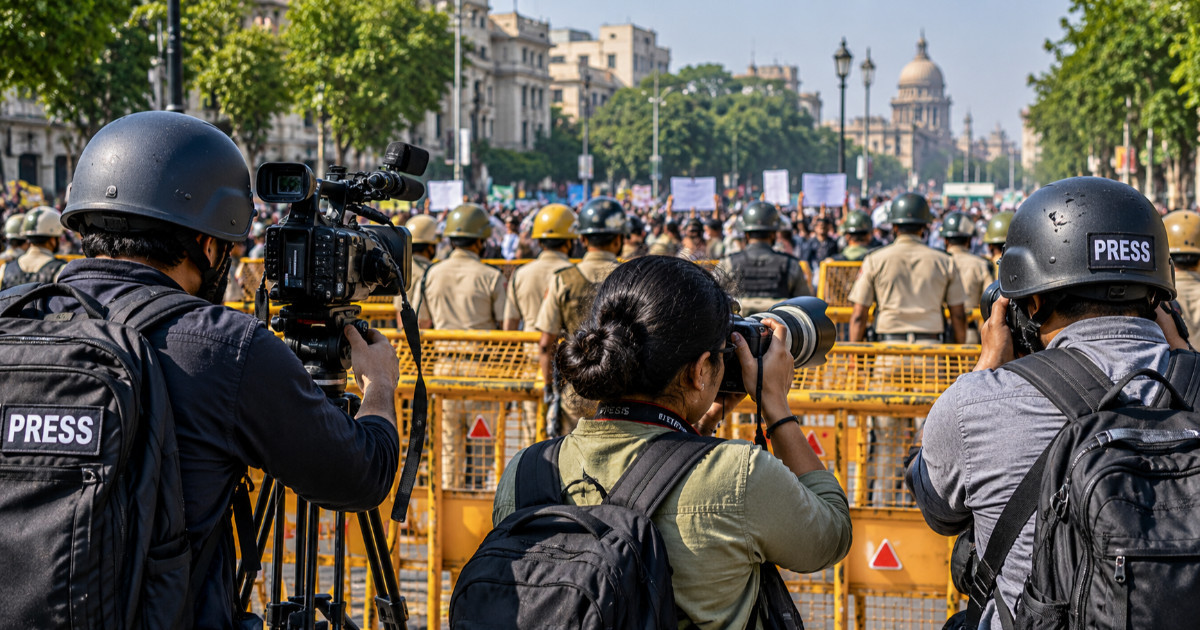
PHOTO: AI-generated; for illustrative purposes only.
Key Points
- CMFR will cease operations on Sept. 30 after 37 years of work.
- The organization cited a changed funding environment and inability to secure necessary funds.
- Founded in 1989, CMFR combined defending journalists with assessing media ethics and accuracy.
- Its programs included media monitoring, journalism reviews, ethical guidance, training, threat alerts and legislative tracking.
- The announcement did not disclose specific factors or further financial details about the funding shortfall.
Key Questions & Answers
When will CMFR close?
CMFR will cease operations on Sept. 30, ending its work after 37 years.
Why is CMFR closing?
The organisation cited changes in the funding environment and an inability to secure the necessary funds to continue operations.
What work did CMFR do?
CMFR defended journalists, documented attacks on the press, reviewed media performance, offered ethical guidance and provided training and legislative tracking.
Did CMFR give financial details about the closure?
No, the announcement did not identify specific factors or disclose further financial details.
Relevant Topics
Ask AI: Understand this story your way
AI EnabledDig deeper, ask anything — get instant context, background, and clarity.
Disclaimer: This feature is powered by AI and is intended to help readers explore and understand news stories more easily. While we strive for accuracy, AI-generated responses may occasionally be incomplete or reflect limitations in the underlying model. This feature does not represent the editorial views of JournalismPakistan. For our full, verified reporting, please refer to the original article.