
Pakistan sets new rules for foreign media reporting
JournalismPakistan.com | Published: 5 August 2026 | JP Staff Report
Join our WhatsApp channel
Pakistan's 2026 Foreign Media Guidelines require foreign correspondents, Pakistani employees of international media organizations, contributors, and freelancers to obtain accreditation and NOCs before reporting outside Islamabad, Karachi, and Lahore. Approval timelines are not specified.Summary
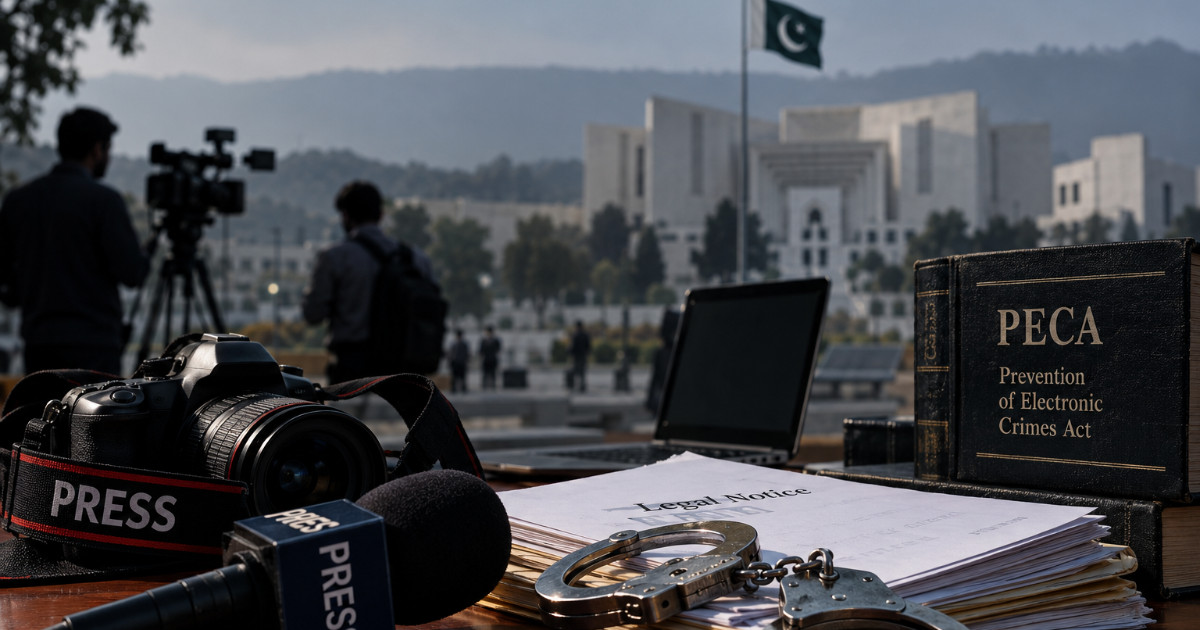
ISLAMABAD — Pakistan has introduced new reporting requirements for international media under the Foreign Media Facilitation Guidelines, 2026, requiring journalists working for foreign news organizations to obtain prior government permission before reporting from most parts of the country outside Islamabad, Karachi, and Lahore. The move expands the role of the Information Ministry's External Publicity Wing in regulating foreign media operations and has prompted concern among press freedom advocates.
The guidelines require foreign correspondents, Pakistani employees of international media organizations, contributors, and freelancers to secure a No Objection Certificate (NOC) before undertaking reporting assignments in areas beyond the three exempt cities. The policy does not specify how long authorities may take to issue an NOC, leaving approval timelines uncertain.
What the new guidelines require
According to the reported guidelines, journalists working for foreign media must first obtain official accreditation through the Ministry of Information before carrying out reporting assignments in Pakistan. The accreditation process is administered by the External Publicity Wing, which is also responsible for registering foreign media organizations and associated personnel.
The new framework also requires media personnel to obtain prior government approval before traveling to provinces, border regions, Pakistan-administered Kashmir, or other locations outside Islamabad, Karachi, and Lahore for reporting purposes. Reporting activities may only proceed after the required NOC has been granted.
Accreditation conditions and oversight
The guidelines further state that accredited journalists must comply with conditions governing their accreditation. They provide that accreditation may be suspended or canceled in cases authorities determine involve actions against Pakistan's "ideology, sovereignty, security or public order," language that has drawn criticism from media organizations and legal observers for being broadly-framed.
The External Publicity Wing has also been assigned responsibility for verifying foreign media personnel, processing accreditation and reporting requests, facilitating access, and coordinating reporting requirements under the new administrative framework. The ministry's official portal states that it deals with the registration and accreditation of foreign nationals and Pakistani citizens working for foreign media organizations.
Press freedom concerns
The practical effect of the guidelines is that international media can continue reporting without additional travel permission only from Islamabad, Karachi, and Lahore. Reporting from the rest of Pakistan, including politically sensitive areas such as Pakistan-administered Kashmir, now depends on obtaining prior government authorization through the NOC process.
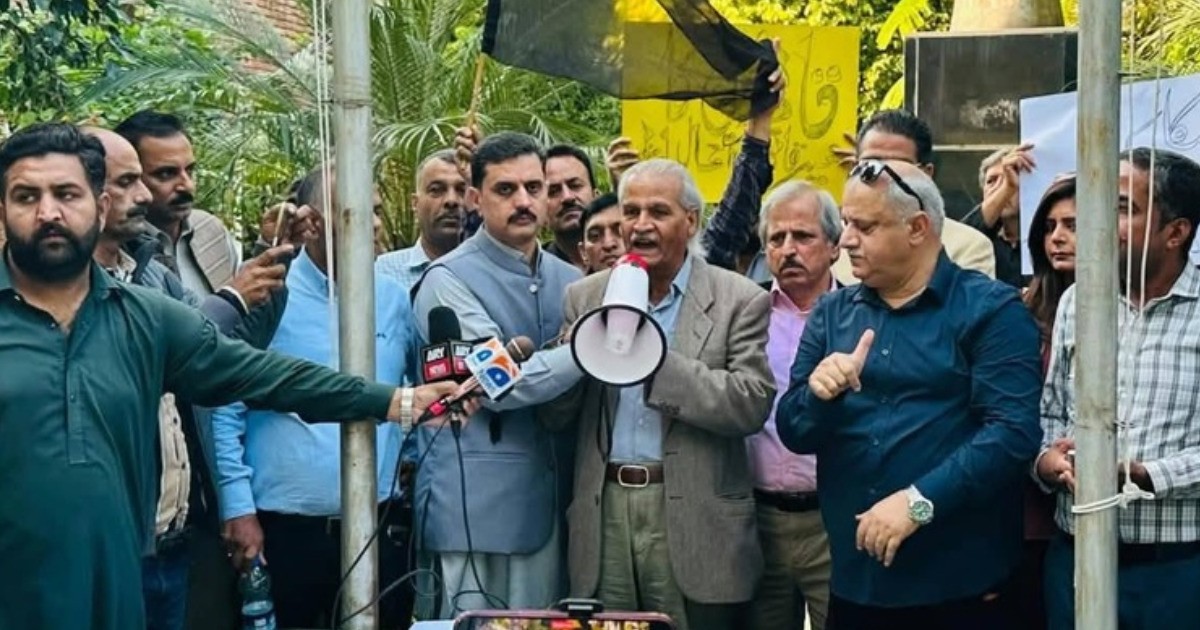
The restrictions have attracted criticism from journalist organizations and media advocates, who argue they could delay or limit coverage of breaking news outside the country's three largest cities. The government, however, has said the guidelines are intended to provide an administrative mechanism for verifying media personnel, facilitating access, and coordinating reporting requirements rather than restricting journalistic activity.
ATTRIBUTION: Based on reported provisions of the Foreign Media Facilitation Guidelines, 2026, and publicly available information from Pakistan's Ministry of Information and Broadcasting's External Publicity Wing.
PHOTO: The Climate Reality Project on Unsplash
Key Points
- The Foreign Media Facilitation Guidelines 2026 require prior accreditation through the Information Ministry.
- Foreign correspondents, Pakistan-based employees of international media organizations, contributors, and freelancers must secure an NOC for reporting outside Islamabad, Karachi, and Lahore.
- The External Publicity Wing handles registration and administration of foreign media personnel.
- The policy expands ministry oversight of international reporting but does not specify NOC approval timelines.
- Press freedom advocates have raised concerns about the restrictions and potential impact on independent reporting.
Key Questions & Answers
What do the new guidelines require?
They require foreign correspondents, Pakistani employees of international media organizations, contributors and freelancers to obtain official accreditation and an NOC from the Information Ministry before reporting outside Islamabad, Karachi and Lahore.
Who must apply for accreditation and NOCs?
Foreign correspondents, Pakistani employees of international media outlets, and contributors and freelancers working for foreign outlets are all covered by the rules.
Which government body oversees the process?
The Information Ministry's External Publicity Wing administers accreditation, registers foreign media organizations and issues the required permissions.
Are there set timelines for NOC approvals?
No; the guidelines do not specify how long authorities may take to issue an NOC, leaving approval timelines unclear.
Relevant Topics
Ask AI: Understand this story your way
AI EnabledDig deeper, ask anything — get instant context, background, and clarity.
Disclaimer: This feature is powered by AI and is intended to help readers explore and understand news stories more easily. While we strive for accuracy, AI-generated responses may occasionally be incomplete or reflect limitations in the underlying model. This feature does not represent the editorial views of JournalismPakistan. For our full, verified reporting, please refer to the original article.