.jpg)
Pakistan media highlights: January 2026 roundup
JournalismPakistan.com | Published: 1 February 2026 | JP News Desk
Join our WhatsApp channel
January 2026 in Pakistan's media included convictions handing life terms to several journalists and YouTubers for alleged digital terrorism, platform closures, retirements and growing concerns over journalists' financial hardship, health and press freedom.Summary
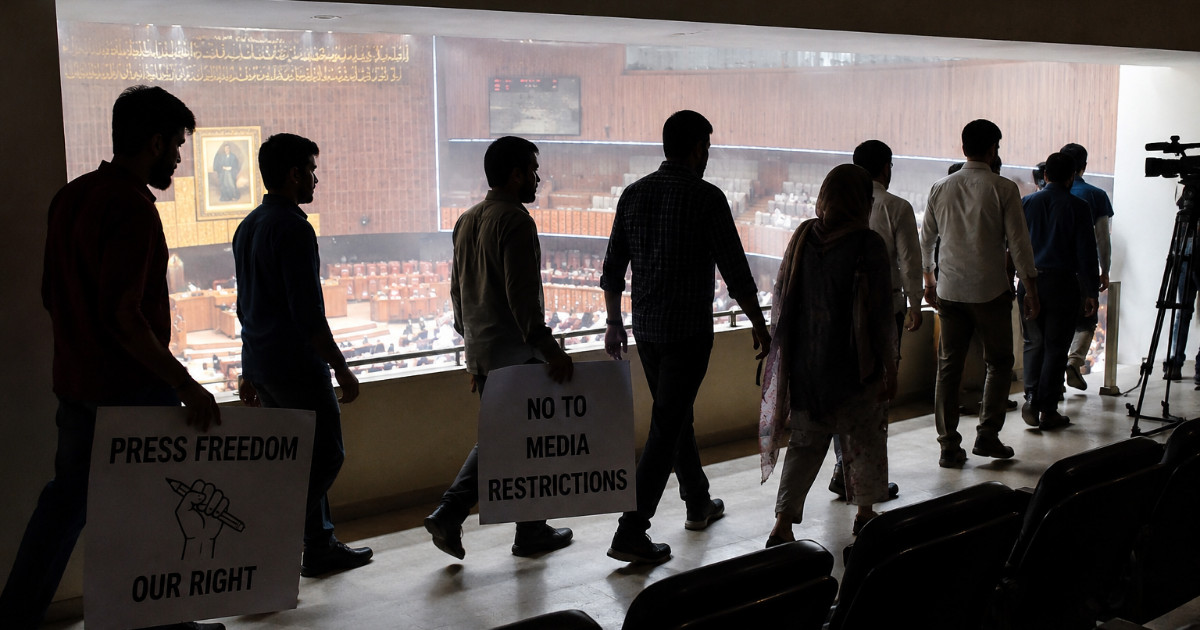
ISLAMABAD — Pakistan’s media landscape experienced significant developments in January 2026, ranging from high-profile court cases against journalists to retirements and digital platform closures. Legal actions, regulatory interventions, and concerns about journalist welfare marked a month of intense scrutiny and debate over press freedom in the country.
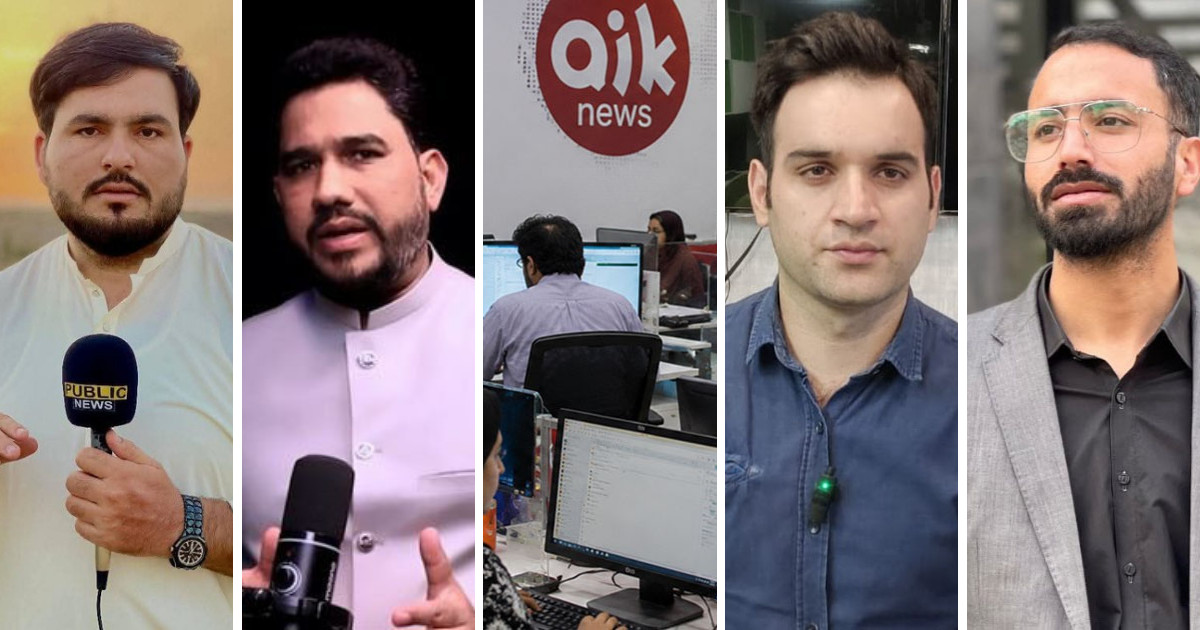
Journalists Sabir Shakir, Wajahat Saeed, Shaheen Sehbai, Moeed Pirzada, along with YouTubers Adil Raja and Haider Mehdi, were sentenced by an Islamabad Anti-Terrorism Court to two life terms each for digital terrorism against state institutions. The court also imposed a cumulative 35 years of additional imprisonment under other provisions and a collective fine of 1.5 million rupees. Convicted journalists abroad issued a joint statement rejecting the verdicts, citing violations of due process, constitutional rights, and international human rights standards.
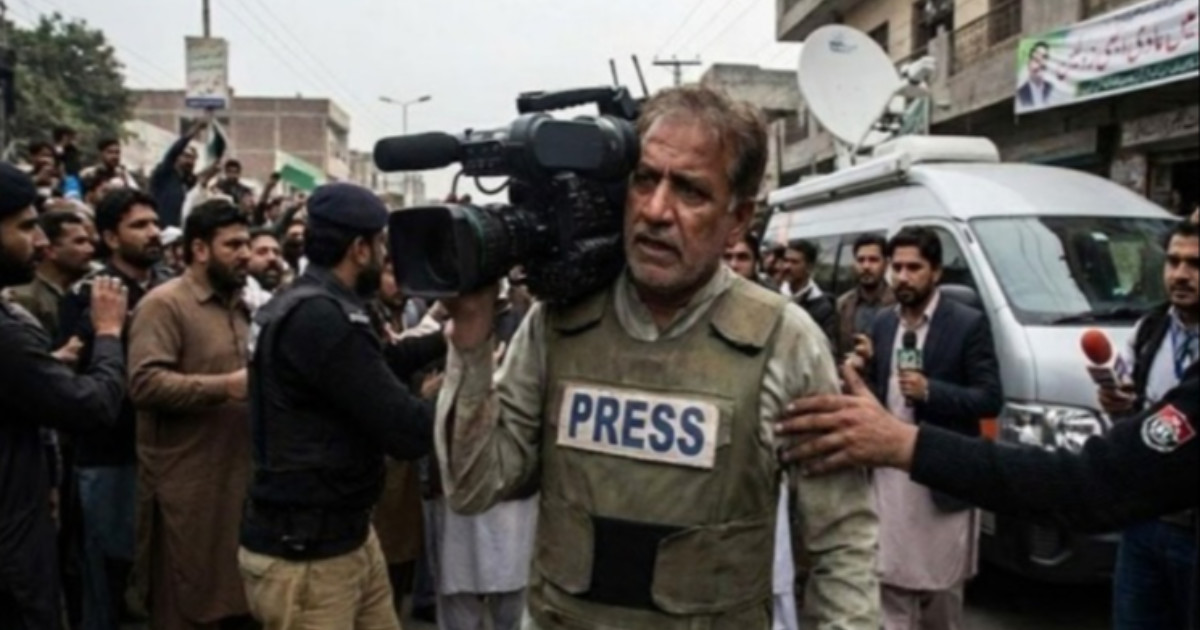
Press freedom under strain
Senior journalist Abdul Razzaq Chishti warned that Pakistan’s journalism community faces severe challenges, including financial hardship, job losses, and health crises. In a message circulated among colleagues, Chishti noted that many media professionals have fallen into poverty over the past three to four years, while senior journalists struggle with chronic illnesses without institutional support. He highlighted the role of professional dignity in keeping such issues largely unseen.
After nearly 45 years in broadcast journalism, Ishrat Fatima retired from Radio Pakistan, leaving a legacy of Urdu diction, professional integrity, and national influence. In reflections shared with the media, Fatima described her desire to continue working in a respectful professional environment and lamented encountering resistance that she considered professional hostility rather than merit-based assessment. She was later persuaded by the Information Minister Ataullah Tarar to mentor the new generation of newscasters at PTV, and also resumed presenting news on the state-run channel.
Safety and intimidation concerns
Journalist Javeria Siddique, widow of the slain journalist Arshad Sharif, reported a renewed wave of harassment outside her Islamabad home. She said unidentified individuals have appeared in her neighborhood seeking information about her, echoing similar intimidation in December 2025. Siddique reported the matter to the Shalimar police
Digital media shifts
Siasat.pk, a digital platform known for news blogs and discussion forums, closed its Islamabad office after eight years. In a farewell video posted online, presenter Waqar Bagga reflected on the office’s role in covering political and economic developments during periods of national uncertainty. Meanwhile, the Digital Media Alliance for Pakistan condemned the blocking of the independent platform Lok Sujag, calling the move state censorship and a violation of constitutional rights. Experts suggest that the Pakistan Telecommunication Authority likely used its firewall to enforce the block.
Regulatory actions and content oversight
The Pakistan Electronic Media Regulatory Authority issued a show-cause notice to Geo News over a January 24 episode of Naya Pakistan, citing alleged violations of broadcast rules and Supreme Court directives. PEMRA concluded that the program presented biased opinions regarding ongoing trial proceedings, contravening impartiality requirements and responsible coverage obligations under the PEMRA Ordinance 2002.
Cybercrime law scrutiny
The Human Rights Commission of Pakistan marked 10 years since the Prevention of Electronic Crimes Act with a video highlighting concerns over online speech restrictions. Comedian Ali Gul Pir read a provision of the law, illustrating how it has been used to curb dissent. HRCP noted that journalists, activists, and content creators have faced legal action or interrogation under PECA, creating a chilling effect on freedom of expression.
High-profile legal cases
Veteran journalists and human rights activists condemned the sentencing of lawyers Imaan Zainab Mazari and Hadi Ali Chattha to 17 years in prison for social media statements, calling it a blow to the justice system. Observers said the case highlights potential state influence over digital expression and targets those defending human rights.
Meanwhile, the Islamabad High Court directed the investigating officer in the narcotics and terrorism case against journalist Matiullah Jan to submit the forensic report of allegedly recovered narcotics by February 9. Jan appeared in court with his legal team to pursue his appeal against the trial court’s decision.
WHY THIS MATTERS: January’s events reflect persistent challenges to press freedom, digital expression, and journalist safety in Pakistan. Legal actions against media professionals, regulatory scrutiny, and censorship measures underscore the need for journalists and media organizations to navigate legal, ethical, and operational risks while maintaining professional standards. These developments also highlight the growing importance of institutional support for journalist welfare and independent reporting.
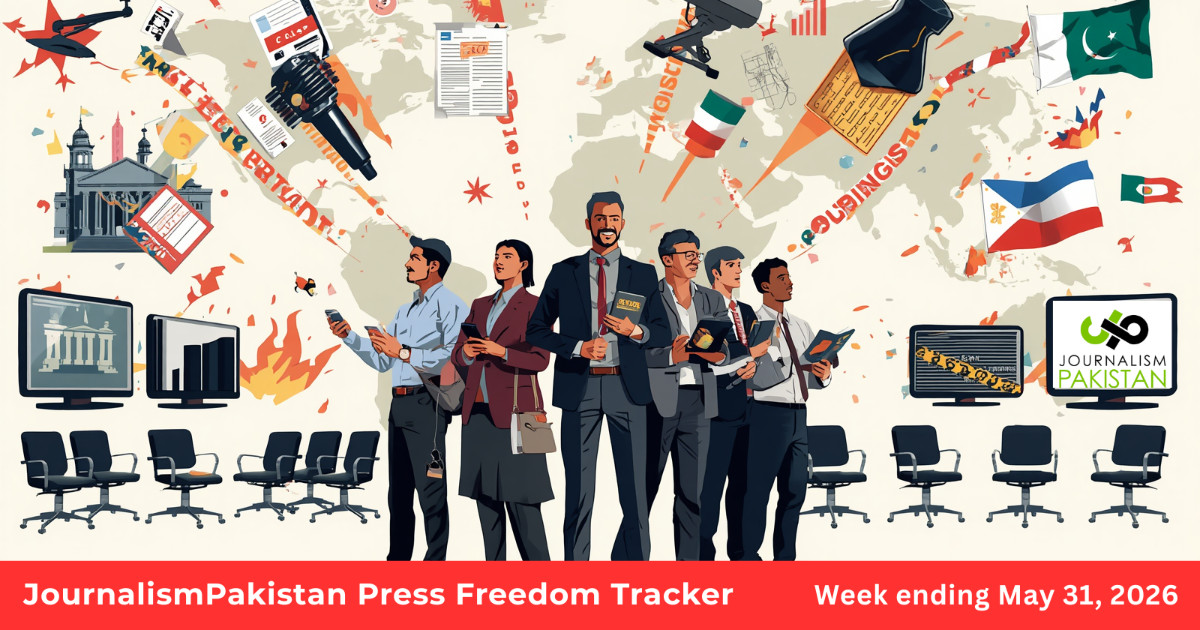
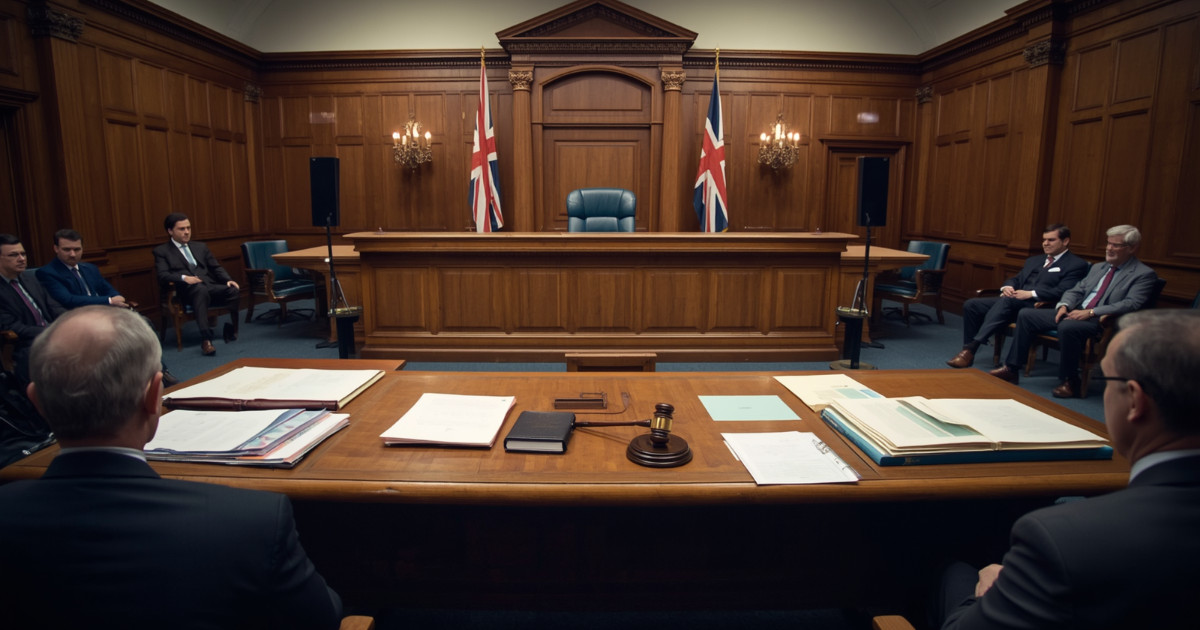
PHOTO: AI-generated; for illustrative purposes only.
Key Points
- Islamabad Anti-Terrorism Court sentenced several journalists and YouTubers to life terms and additional imprisonment, and imposed a collective fine over alleged digital terrorism.
- Convicted journalists based abroad issued a joint statement rejecting the verdicts, citing a lack of due process and human rights violations.
- Senior journalist Abdul Razzaq Chishti warned of widespread financial hardship, job losses, and health crises within the media community.
- Ishrat Fatima retired from Radio Pakistan after nearly 45 years, leaving a legacy of Urdu diction and professional integrity.
- Digital platform closures and regulatory actions in January intensified debate over press freedom and journalist welfare.
Relevant Topics
Ask AI: Understand this story your way
AI EnabledDig deeper, ask anything — get instant context, background, and clarity.
Disclaimer: This feature is powered by AI and is intended to help readers explore and understand news stories more easily. While we strive for accuracy, AI-generated responses may occasionally be incomplete or reflect limitations in the underlying model. This feature does not represent the editorial views of JournalismPakistan. For our full, verified reporting, please refer to the original article.