
Myanmar frees four journalists in mass prisoner amnesty
JournalismPakistan.com | Published: 5 March 2026 | JP Asia Desk
Join our WhatsApp channel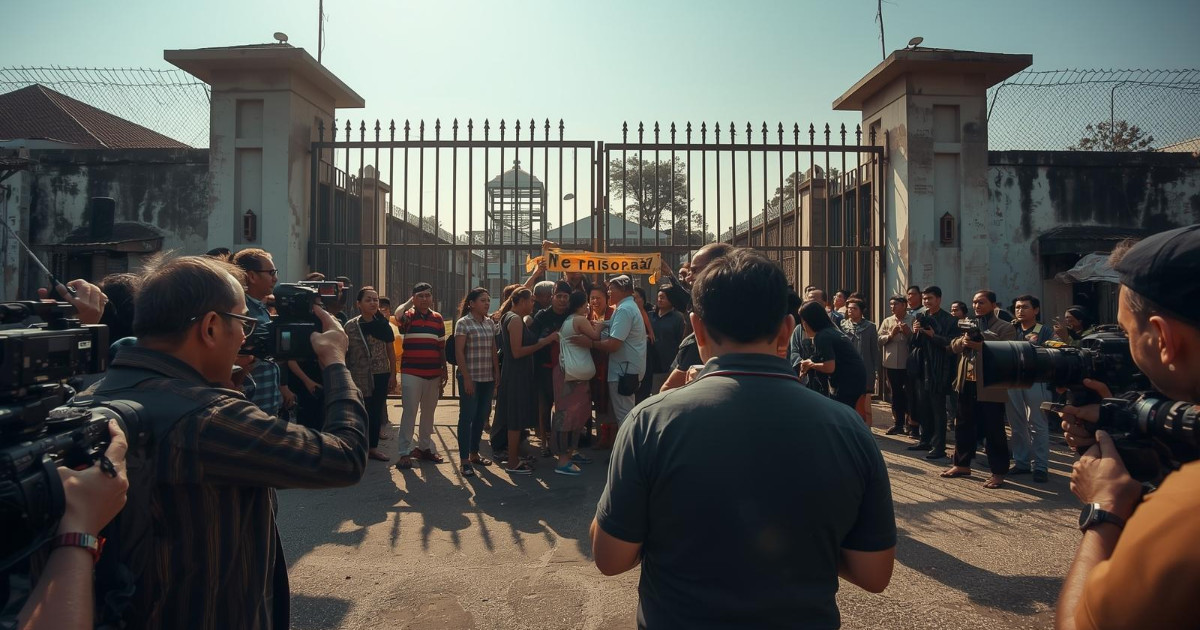
At least four journalists were freed in Myanmar's mass amnesty that released over 7,000 people convicted under broad security laws. Rights groups say the releases offer limited relief as reporters remain jailed and repression of independent media continues.Summary
YANGON — Myanmar’s military authorities have released at least four imprisoned journalists in recent days as part of a broader amnesty that freed more than 7,000 prisoners convicted under counterterrorism laws, a move that media watchdogs say offers limited relief but does little to reverse the country’s sweeping crackdown on independent journalism since the 2021 military coup.
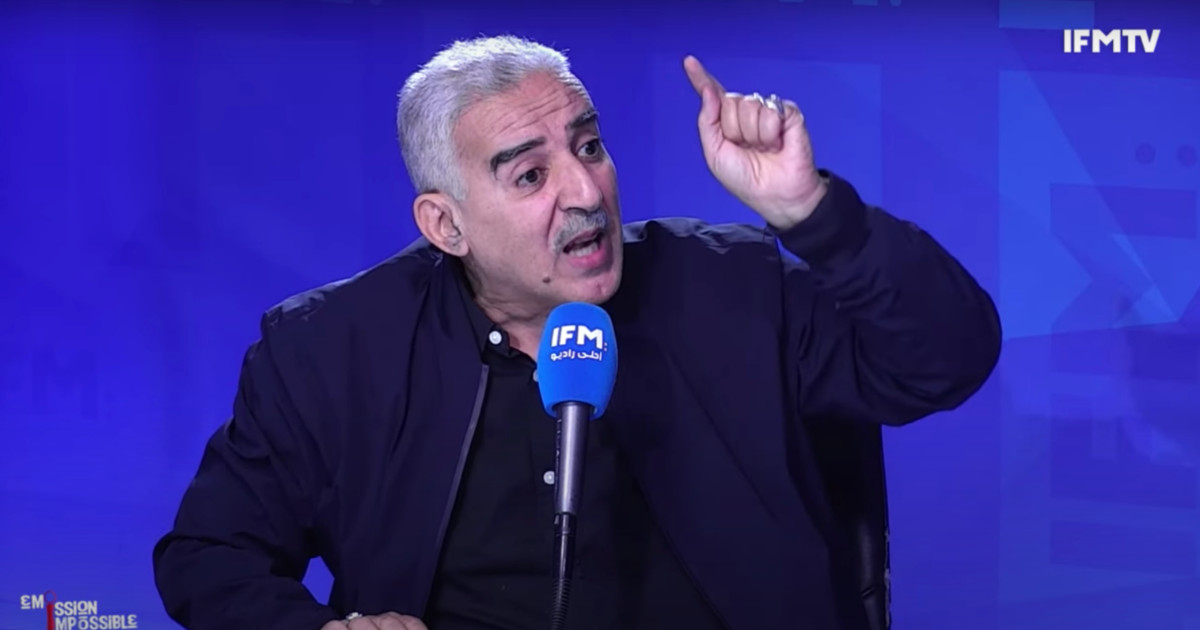
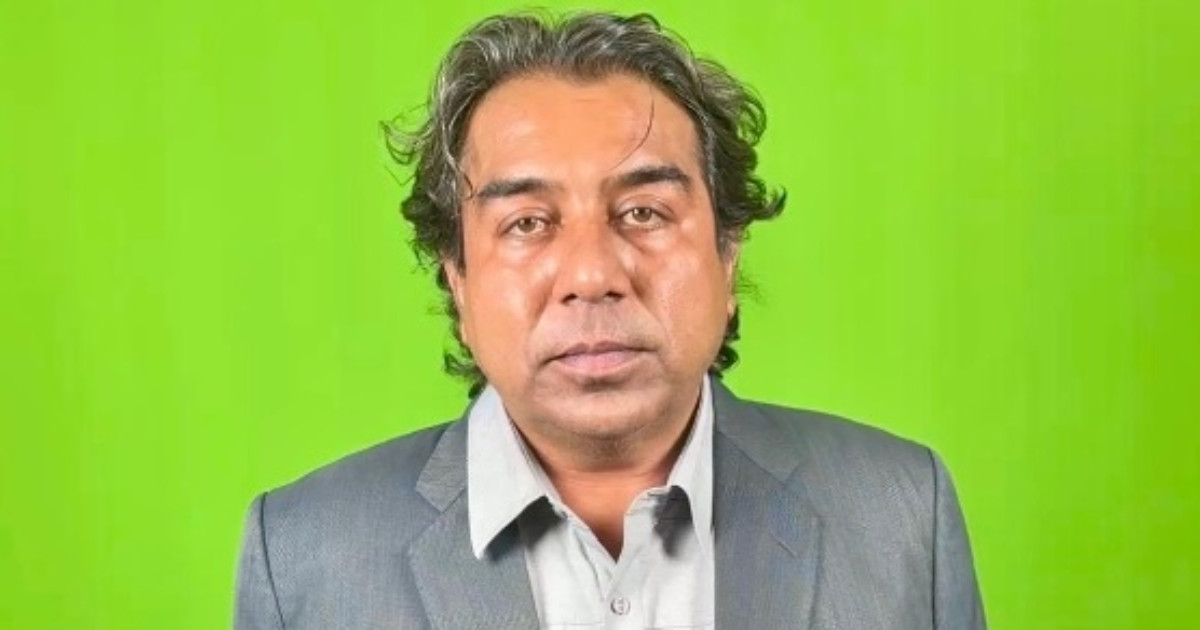
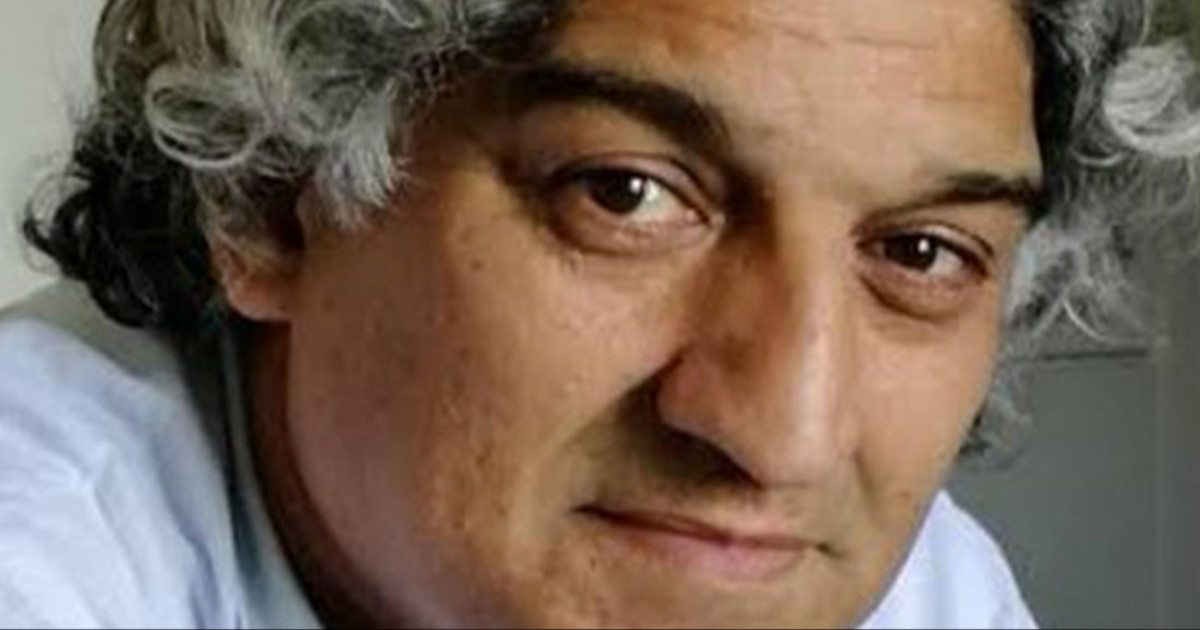
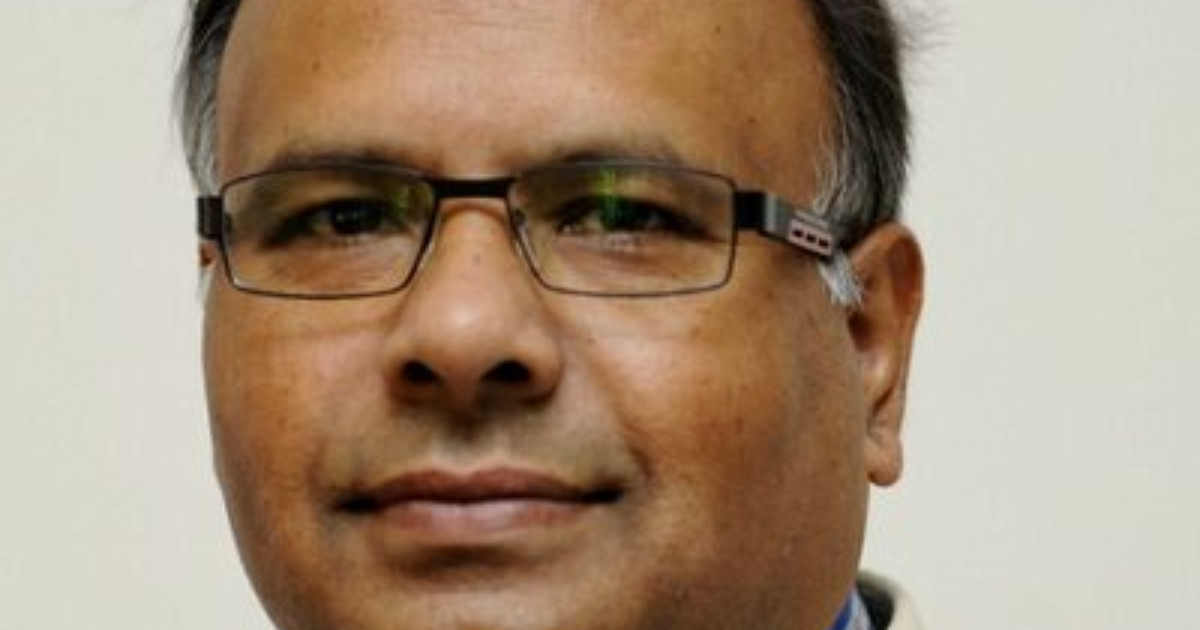
The journalists released include Hmu Yadanar Khet Moh Moh Tun, Myat Kalay (also known as Naing Win Tun), Than Htike Myint, and Yan Naing Soe. All had been detained after reporting on political developments and civil unrest following the February 2021 coup that ousted the elected government and returned the military to power.
Amnesty offers limited relief for jailed reporters
The releases came as part of a wider prisoner amnesty that Myanmar’s military government periodically announces, often tied to national holidays or political milestones. While international press freedom organizations welcomed the freeing of journalists, rights advocates noted that the amnesty covered thousands of individuals convicted under broad security or counterterrorism provisions used to suppress dissent.
According to media advocacy groups, dozens of journalists remain imprisoned across Myanmar, many convicted under laws that criminalize reporting deemed supportive of opposition groups or critical of the military government. Since the coup, authorities have raided newsrooms, revoked media licenses, and forced many journalists into exile.
Crackdown on independent media continues
Independent media outlets have faced sustained pressure from Myanmar’s junta. Several prominent news organizations have had their operating licenses revoked, while reporters working for domestic and international outlets have been arrested, charged, or forced underground.
Press freedom monitors say counterterrorism statutes and other national security laws have become key legal tools used by authorities to target journalists covering protests, armed resistance groups, and humanitarian conditions in conflict-affected areas. Even reporting on displacement, economic disruption, or civil resistance movements has led to arrests.
The latest releases, therefore, reflect what observers describe as a limited and tactical concession rather than a broader shift in policy toward independent media. International organizations continue to call for the unconditional release of all journalists detained for their work and for the repeal of laws used to criminalize reporting.
WHY THIS MATTERS: Myanmar’s situation highlights how governments can use counterterrorism laws to silence independent reporting. For Pakistani journalists, the development underscores the importance of monitoring legal frameworks that could potentially be applied to media work and the need for strong institutional safeguards to protect press freedom.
ATTRIBUTION: Based on reporting by Reuters (March 4, 2026) and a public statement released the same day by the Committee to Protect Journalists.
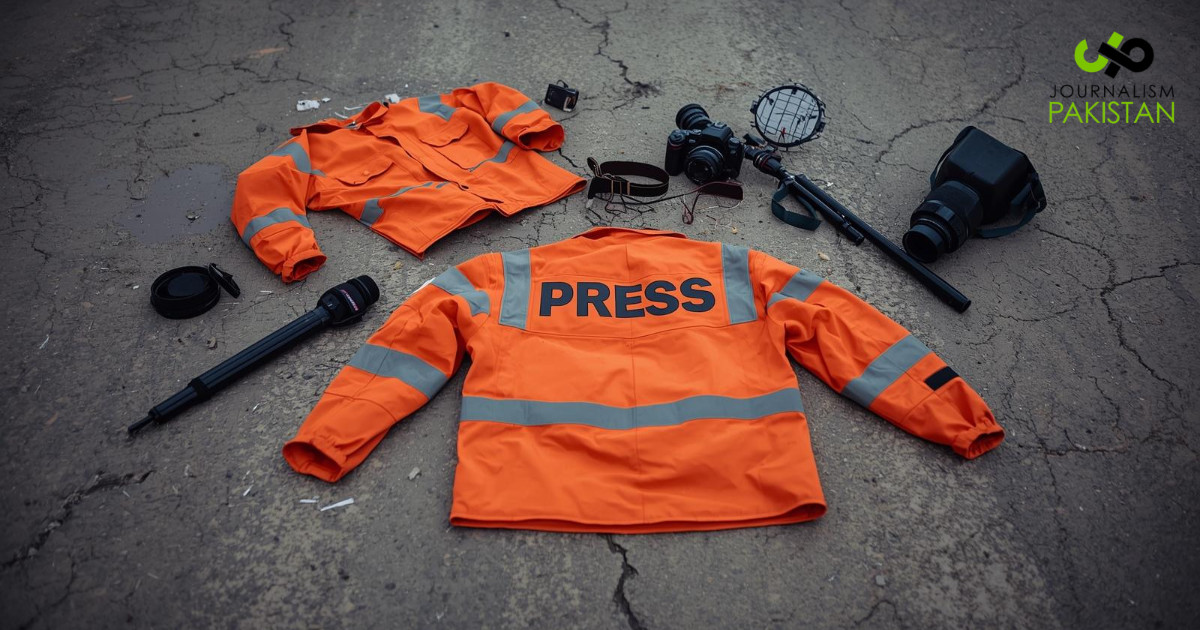
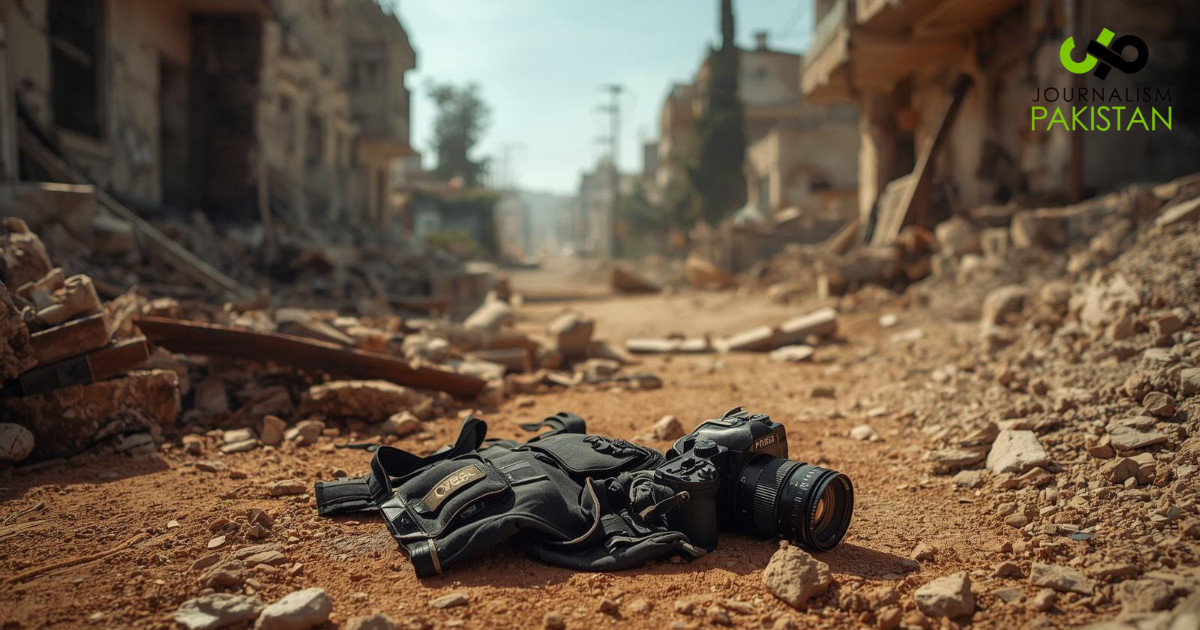
PHOTO: AI-generated; for illustrative purposes only.
Key Points
- Four journalists released: Hmu Yadanar Khet Moh Moh Tun, Myat Kalay (Naing Win Tun), Than Htike Myint and Yan Naing Soe.
- The releases were part of a wider amnesty that freed more than 7,000 prisoners convicted under broad counterterrorism or security laws.
- International press freedom groups welcomed the move but characterised it as limited relief for jailed reporters.
- Dozens of journalists remain detained; authorities have raided newsrooms, revoked licences and forced many into exile since the 2021 coup.
- Military governments in Myanmar periodically announce amnesties, often tied to holidays or political milestones.
Key Questions & Answers
Who was released in the amnesty?
The journalists named as released include Hmu Yadanar Khet Moh Moh Tun, Myat Kalay (also known as Naing Win Tun), Than Htike Myint and Yan Naing Soe.
How many people were freed in the amnesty?
The amnesty freed more than 7,000 prisoners, many convicted under broad security or counterterrorism laws.
Does the amnesty mean the crackdown on media has eased?
No; rights groups say the releases provide limited relief while raids, licence revocations and prosecutions of journalists continue.
How many journalists remain jailed?
Dozens of journalists remain detained across Myanmar, according to media advocacy groups; many face charges under sweeping security laws.
Relevant Topics
Ask AI: Understand this story your way
AI EnabledDig deeper, ask anything — get instant context, background, and clarity.
Disclaimer: This feature is powered by AI and is intended to help readers explore and understand news stories more easily. While we strive for accuracy, AI-generated responses may occasionally be incomplete or reflect limitations in the underlying model. This feature does not represent the editorial views of JournalismPakistan. For our full, verified reporting, please refer to the original article.