
Last week's most heartbreaking setback for press freedom
JournalismPakistan.com | Published: 9 February 2026 | JP Staff Report
Join our WhatsApp channel
Pakistan's Federal Constitutional Court said it cannot continue oversight of the investigation into journalist Arshad Sharif's killing in Kenya. His family and media groups warned the ruling undermines accountability for cross-border attacks on journalists.Summary
ISLAMABAD — Last week, Pakistan’s Federal Constitutional Court delivered what many in the journalist community are calling the most heartbreaking setback for press freedom: it ruled that it cannot continue oversight of the investigation into journalist Arshad Sharif’s killing in Kenya.
Sharif, a prominent investigative reporter who had left Pakistan amid sedition charges and threats linked to his reporting, was shot dead by Kenyan police near Nairobi on October 23, 2022. Kenyan courts later found the police action unlawful, but Pakistani courts said they lacked jurisdiction to continue the proceedings.
Implications for journalists and accountability
For journalists in Pakistan, the ruling underscores the persistent challenges in securing accountability for attacks on reporters, especially in cross-border cases. Justice Aamer Farooq emphasized that the courts must follow legal frameworks rather than public sentiment. Still, many observers see the decision as leaving a critical gap in justice for a journalist whose reporting had made him a target.
Family reaction and press freedom concerns
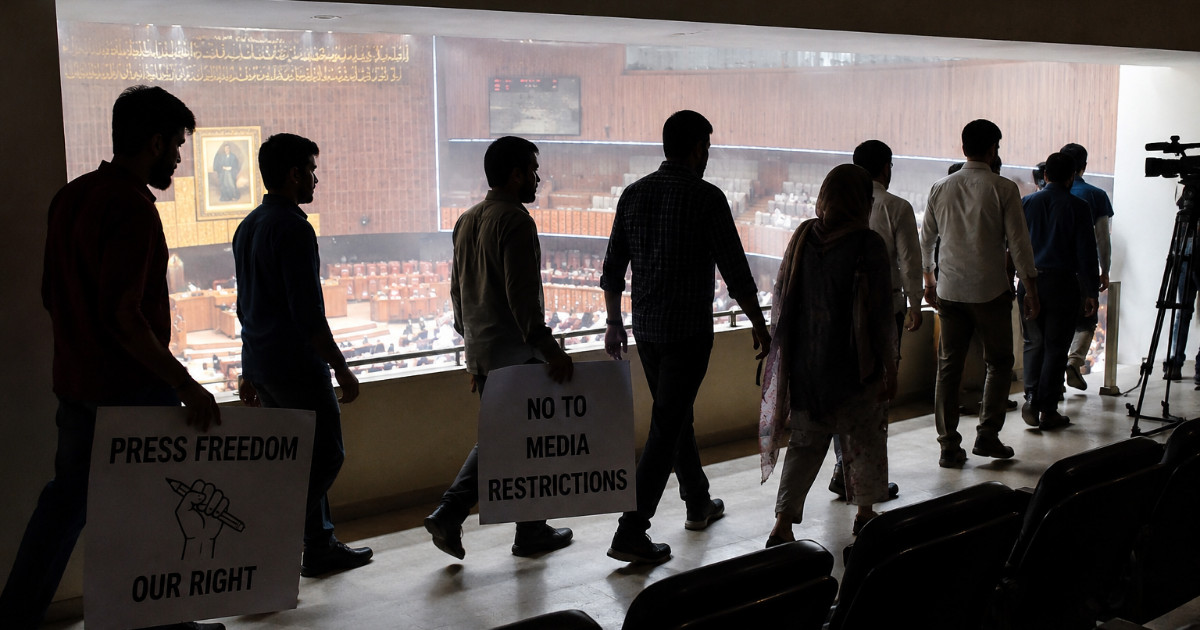
Sharif’s widow, Javeria Siddique, expressed deep disappointment on X, calling the ruling a setback for press freedom and highlighting government inaction that forced her to pursue legal remedies abroad. Media unions have warned that such outcomes risk emboldening those who threaten journalists and weakening protections for investigative reporting in Pakistan.
WHY THIS MATTERS: The court’s ruling highlights a critical gap in accountability for journalists targeted across borders. For Pakistan’s media community, it underscores the limits of legal protections and the ongoing risks faced by investigative reporters. Without clear avenues for justice, threats to press freedom can go unchallenged, emboldening those who intimidate or harm journalists and weakening the broader ecosystem of independent reporting in the country.
Key Points
- Federal Constitutional Court ruled it lacks jurisdiction to continue oversight of the probe into Arshad Sharif's killing in Kenya.
- Sharif, an investigative reporter, was shot dead by Kenyan police in October 2022; Kenyan courts later found the police action unlawful.
- Justice Aamer Farooq said courts must follow legal frameworks rather than public sentiment.
- Sharif's widow, Javeria Siddique, called the decision a setback for press freedom and criticized government inaction.
- Media unions warned the ruling could weaken protections and embolden those who threaten journalists, leaving gaps in accountability.
Relevant Topics
Ask AI: Understand this story your way
AI EnabledDig deeper, ask anything — get instant context, background, and clarity.
Disclaimer: This feature is powered by AI and is intended to help readers explore and understand news stories more easily. While we strive for accuracy, AI-generated responses may occasionally be incomplete or reflect limitations in the underlying model. This feature does not represent the editorial views of JournalismPakistan. For our full, verified reporting, please refer to the original article.