
Journalists removed from court premises, arrested in Kerala
JournalismPakistan.com | Published: 2 August 2016
Join our WhatsApp channel
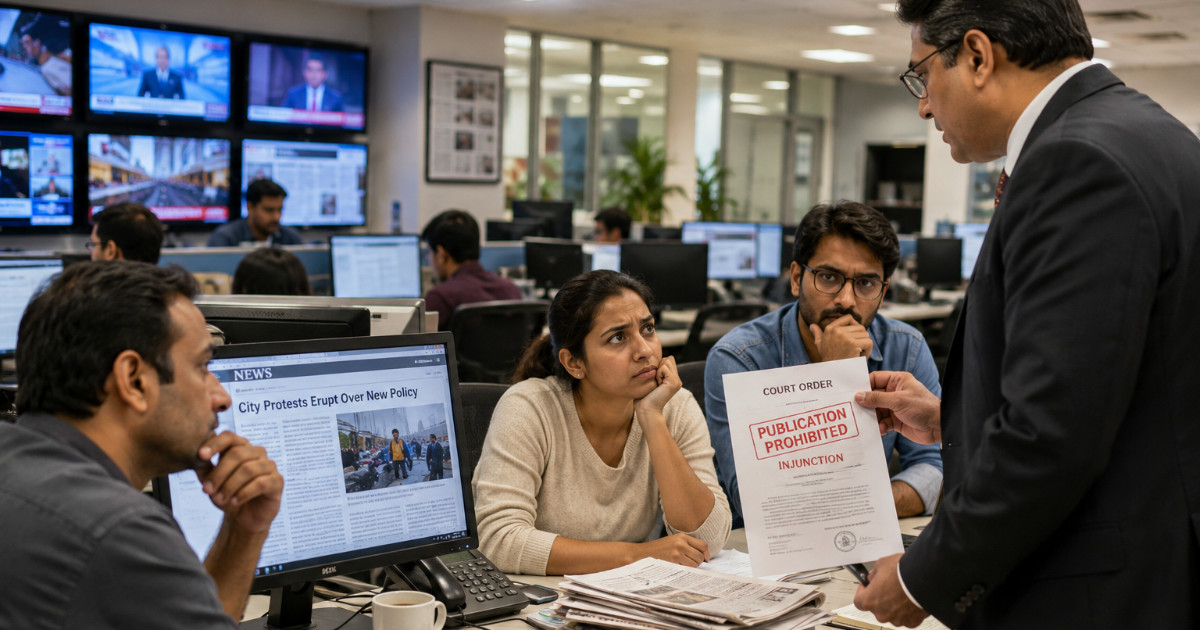
In Kozhikode, Kerala, police arrested two journalists while enforcing court restrictions that were later denied by the judiciary. The incident raised serious concerns regarding press freedom and safety for media personnel in India.Summary
The International Federation of Journalists (IFJ) and its affiliates the Indian Journalists Union (IJU) and the National Union of Journalists (India) have condemned restrictions imposed on journalists and the detention of two journalists by the police in Kozhikode, Kerala in south India, over the weekend. The IFJ is demanding an investigation into the incident and a detailed report from the Kerala police.
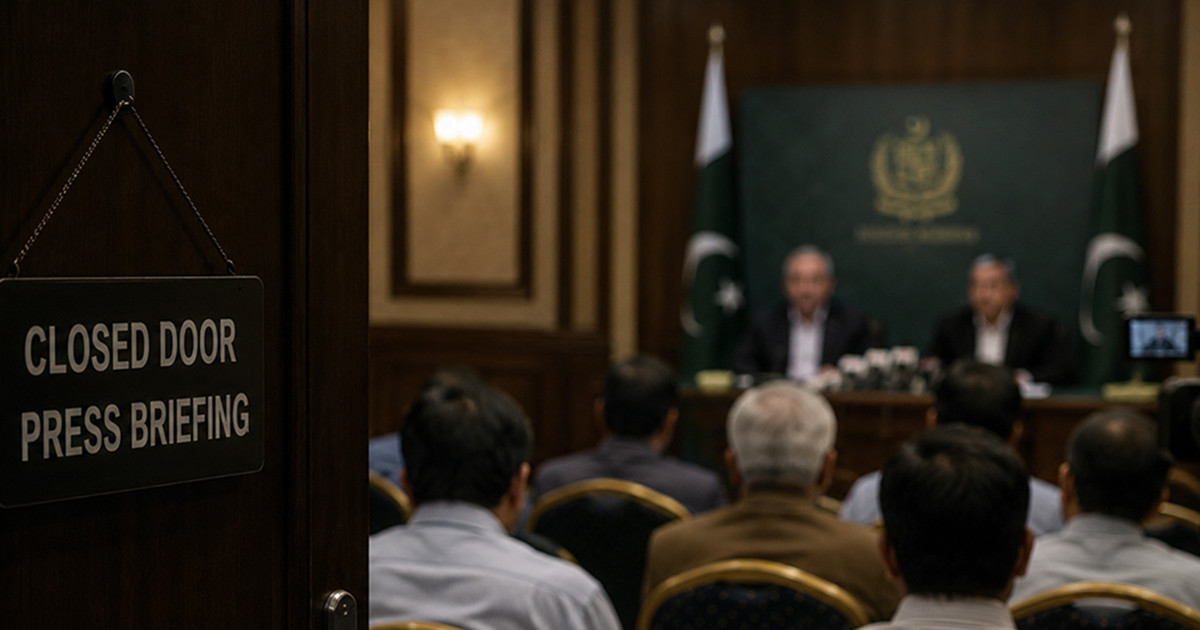
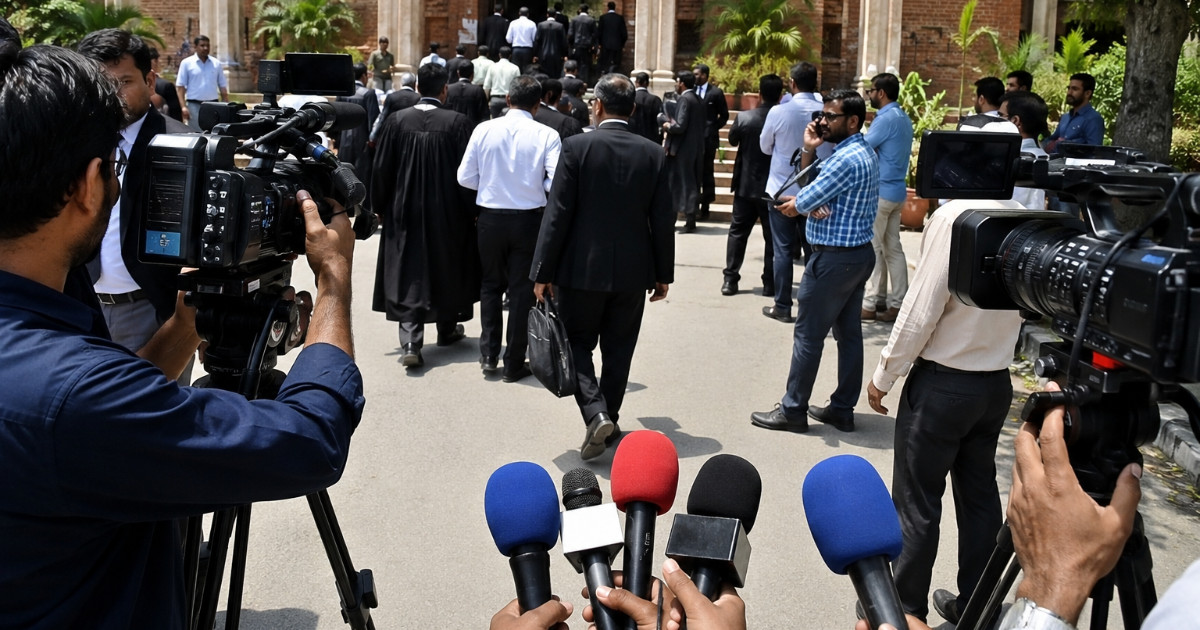
On Saturday, July 30, local police in Kerala barred journalists from reporting at the City Court on the long running Ice Cream Parlor sex scandal case. The case relates to an illegal brothel where it is believed a number of politicians frequented, which has been marred with accusations of obstructions to proceedings by those in power. The police forced the journalist out of the court room and off the court premises.
As they forced the journalists away, journalists and crew from AsiaNet TV were arrested and detained for a number of hours at the local police station. Although the police defended their actions, saying they were acting on ‘court orders’, the court denied ordering any restrictions on media personnel.
Journalist Binnu Raj of AsiaNet TV said: “I along with the others was pushed, manhandled and removed and taken to the police station in a police vehicle.” This was not the first media violation, when on July 19 and 20, a number of lawyers at the Kerala High Court attacked journalists while they were protesting the media coverage of the molestation case against a government lawyer.
Some of the lawyers supporting the accused, Dhanesh Mathew Manjooran allegedly attacked media personnel; and locked up the media room in the court, blocking access to the room. The IJU President S N Sinha, Secretary-General Amar Devulapalli and Kerala Journalists Union (KJU) President V B Rajansaid: “It is an extension of the ban on media to enter the premise of all the courts.
It is unfortunate that the police again raked up the case when the controversy raging for the last few weeks between the lawyers and journalists is subsiding after the Chief Justice of the Kerala High Court appointed a committee to revise guidelines for reporting court trials and verdicts in the state.
We demand stringent action against the police officers responsible for the arrest of journalists.” The NUJ(I) President Ras Bihari has demanded the establishment of an enquiry committee. The NUJ(I) said: “When we contacted the Police they said they have taken the journalists into custody following the district court’s order but the district judge said that he did not give any such order.
The reasons being given by the Police and Judicial department in this matter are shameful and regrettable.” The IFJ said: “The IFJ expresses serious concerns over the incidents in Kerala where journalists are being manhandled and arrested, by lawyers and police, which is a violation of journalists’ rights. Press freedom and the safety of journalists in India continues to decline.
Immediate action needs to be taken to guarantee the safety and security of the media as well as press freedom.” - IFJ media release
Key Points
- Two journalists were arrested in Kozhikode, Kerala, over the weekend.
- Police claimed actions were based on court orders, which the court denied.
- The International Federation of Journalists called for an investigation into the incident.
- Media personnel faced previous attacks by lawyers protesting coverage of a separate case.
- Concerns over declining press freedom and safety for journalists in India continue to grow.
Relevant Topics
Ask AI: Understand this story your way
AI EnabledDig deeper, ask anything — get instant context, background, and clarity.
Disclaimer: This feature is powered by AI and is intended to help readers explore and understand news stories more easily. While we strive for accuracy, AI-generated responses may occasionally be incomplete or reflect limitations in the underlying model. This feature does not represent the editorial views of JournalismPakistan. For our full, verified reporting, please refer to the original article.