
Iranian editor jailed in provincial criticism case
JournalismPakistan.com | Published: 18 December 2025 | JP Middle East Desk
Join our WhatsApp channel
Majid Beiranvand, an Iranian editor, received a one-year prison sentence and forced residence after criticizing a provincial governor. This case illustrates the increasing judicial pressure on regional journalists in Iran and the threats against press freedom.Summary
TEHRAN — Iranian media outlets and press freedom monitoring groups reported on December 18 that Majid Beiranvand, editor of the weekly publication Horo, has been sentenced to one year in prison and one year of forced residence inside Iran following critical reporting on a provincial governor.
According to the reports, the sentence combines a custodial term with an administrative punishment that requires Beiranvand to live away from his home region, a measure often described by Iranian authorities as internal exile.
Legal pressure on regional journalism
Monitoring groups say the case reflects an increasingly common pattern in which judicial and administrative penalties are used together to punish local journalists whose reporting focuses on provincial officials rather than national power centers. Regional publications are often more exposed, with fewer institutional protections than major outlets based in Tehran.
Horo is a weekly outlet that has published investigative and critical reporting on local governance issues. The conviction followed content that criticized the conduct of a provincial governor, though authorities have not publicly released detailed legal reasoning beyond citing violations of press and criminal laws.
Use of exile as a deterrent
Forced residence orders have long been used in Iran as a tool to disrupt professional and personal networks, particularly for activists, journalists, and lawyers. Media analysts note that relocation requirements can be as disruptive as prison terms by cutting journalists off from sources and audiences.
In recent years, several Iranian journalists working outside the capital have faced similar measures, prompting concerns among press freedom advocates about the shrinking space for regional accountability reporting.
Impact on local investigative reporting
Press freedom organizations argue that cases like Beiranvand’s send a warning to editors and reporters covering provincial affairs, encouraging self-censorship and discouraging scrutiny of local officials. They say the cumulative effect is the marginalization of regional journalism and the consolidation of news production under tighter political control.
Iranian authorities have consistently defended such prosecutions as lawful responses to media violations, while international observers maintain that the penalties undermine independent journalism and public access to information.
ATTRIBUTION: Based on reporting by Iranian media outlets and international press freedom monitoring organizations.
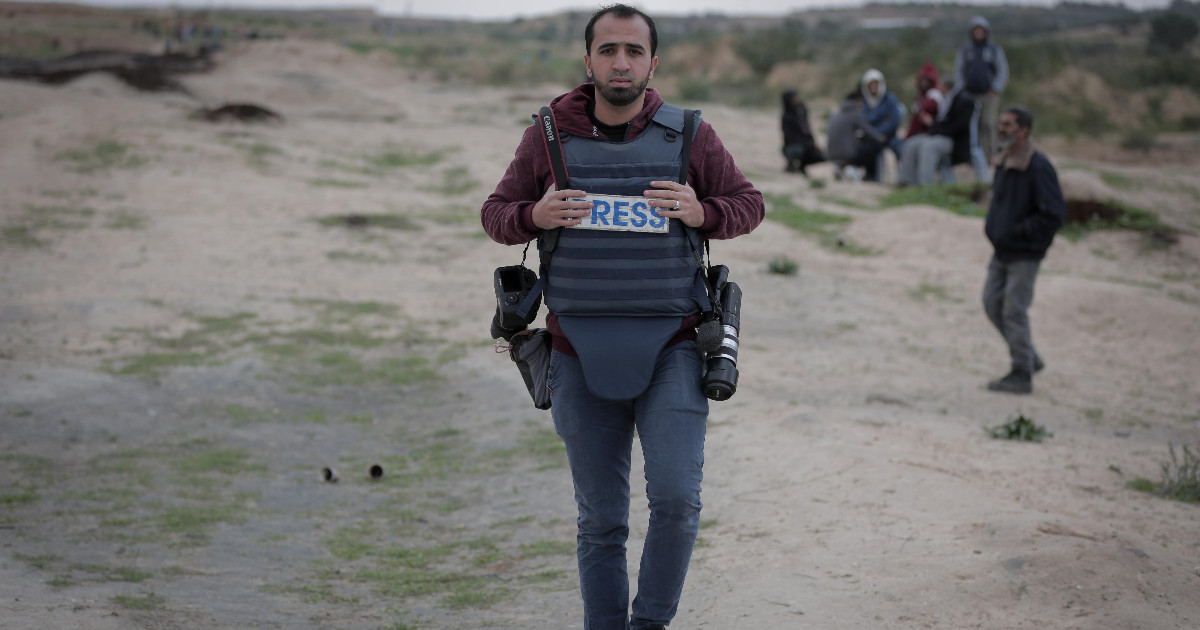
PHOTO: AI-generated; for illustrative purposes only
Key Points
- Majid Beiranvand was sentenced to one year in prison and one year of forced residence.
- The case followed critical reporting about a provincial governor.
- Monitoring groups say combined criminal and administrative penalties are increasingly used against regional journalists.
- Forced residence orders are seen as a tool to disrupt journalistic work and networks.
- The conviction raises concerns about self-censorship among local journalists.
Relevant Topics
Ask AI: Understand this story your way
AI EnabledDig deeper, ask anything — get instant context, background, and clarity.
Disclaimer: This feature is powered by AI and is intended to help readers explore and understand news stories more easily. While we strive for accuracy, AI-generated responses may occasionally be incomplete or reflect limitations in the underlying model. This feature does not represent the editorial views of JournalismPakistan. For our full, verified reporting, please refer to the original article.