
How combative videographers are changing protest coverage in Britain
JournalismPakistan.com | Published: 18 December 2025 | JP Global Monitoring Desk
Join our WhatsApp channel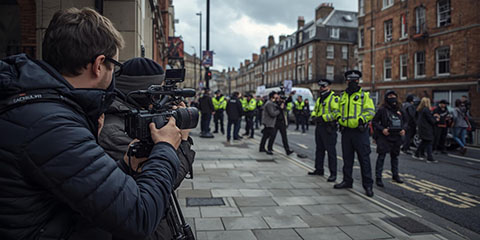
Freelance videographers are increasingly dominating protest coverage in Britain, using confrontational styles to engage audiences and shape narratives. This trend poses challenges for traditional news organizations struggling with resource constraints.Summary
LONDON — A report published on December 17 documents the growing presence of confrontational freelance videographers and small video crews covering asylum hotel protests across Britain, particularly in English towns where local news resources have declined.
The reporting shows that these videographers, often operating independently and publishing primarily on social platforms, are using video-first tactics that prioritize confrontation, rapid dissemination, and audience engagement over traditional newsroom norms. Their footage is increasingly shaping how protests are seen and interpreted by wider audiences.
Shift in local protest coverage
According to the reporting, many of these videographers position themselves close to protest flashpoints, filming heated exchanges with police, counter-protesters, and asylum seekers. This approach can generate dramatic visuals that travel quickly online but also changes who controls access and framing at volatile scenes.
Editors interviewed in the reporting say mainstream outlets now face pressure to source or verify viral clips rather than rely solely on staff reporters, particularly when they lack the capacity to deploy full crews to every protest location.
Safety and editorial challenges
The reporting highlights growing safety concerns for both freelance videographers and journalists from established outlets. Aggressive filming styles can escalate tensions, making already sensitive environments more unpredictable for everyone on the ground.
News organizations told researchers that they are reassessing risk protocols, accreditation practices, and decisions about whether to amplify third-party footage, balancing public interest against safety and ethical considerations.
Broader implications for newsrooms
The analysis places the trend within wider changes in British local journalism, including reduced budgets, fewer regional reporters, and the increasing influence of platform algorithms that reward emotionally charged video. These structural pressures are encouraging new actors to fill coverage gaps, even as they challenge long-standing journalistic standards.
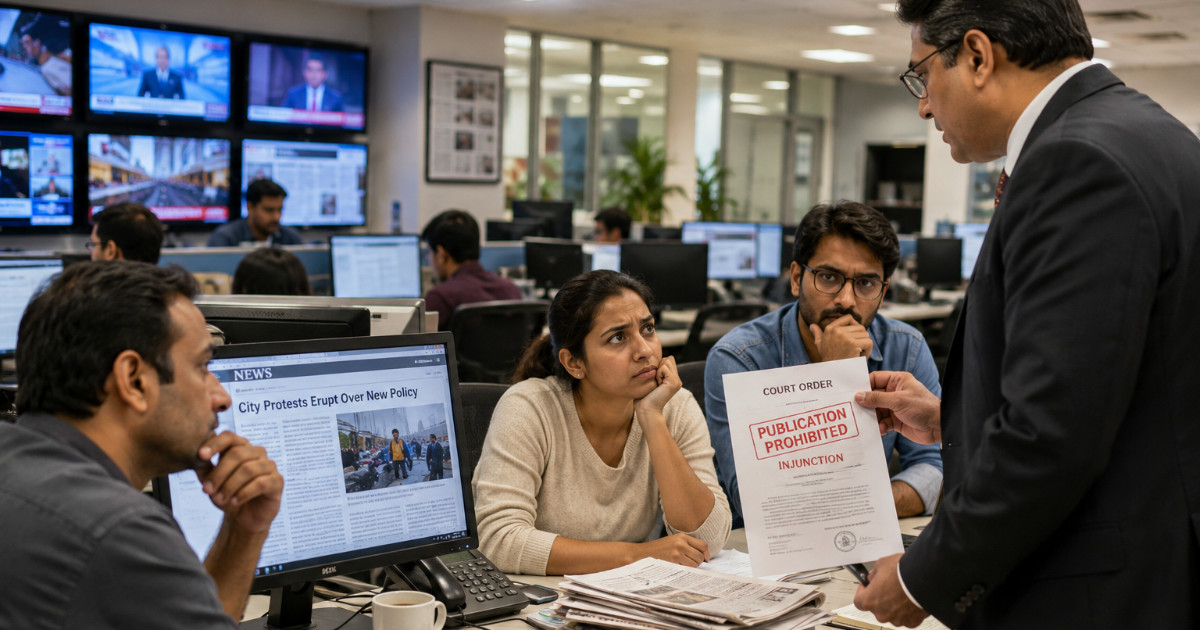
The reporting concludes that confrontational videography is likely to remain a feature of protest coverage in Britain, forcing newsrooms to adapt their sourcing, verification, and safety strategies while maintaining editorial independence.
ATTRIBUTION: Based on reporting and analysis published by UK media researchers and journalism observers.
PHOTO: AI-generated; and for illustrative purposes only.
Key Points
- December 17 report examines confrontational videographers covering UK asylum hotel protests.
- Video-first and monetization-driven tactics are reshaping protest visibility and sourcing.
- Mainstream newsrooms face new safety, access, and verification challenges.
- The trend is linked to wider pressures on local journalism in Britain.
- Aggressive filming styles create safety concerns for videographers and journalists.
Relevant Topics
Ask AI: Understand this story your way
AI EnabledDig deeper, ask anything — get instant context, background, and clarity.
Disclaimer: This feature is powered by AI and is intended to help readers explore and understand news stories more easily. While we strive for accuracy, AI-generated responses may occasionally be incomplete or reflect limitations in the underlying model. This feature does not represent the editorial views of JournalismPakistan. For our full, verified reporting, please refer to the original article.