
Media-state confrontation over BBC draws global attention
JournalismPakistan.com | Published: 18 December 2025 | JP Global Monitoring Desk
Join our WhatsApp channel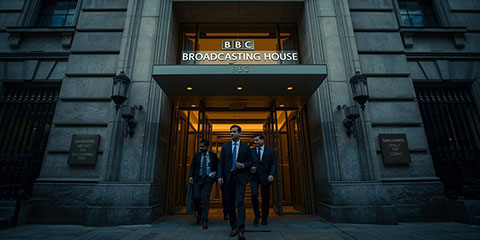
Recent international media coverage reveals a rising confrontation between the UK government and the BBC. This dispute highlights concerns about the public broadcaster's independence and funding amidst increasing political scrutiny.Summary
LONDON — International media coverage in recent days focused on an intensifying confrontation between the British government and the BBC, with major outlets examining how political pressure is reshaping debates around the public broadcaster’s independence.
Reporting and commentary published on December 16 and 17 highlighted renewed disputes over the BBC’s funding model and editorial choices, alongside criticism from senior political figures. These interventions, critics argue, contribute to a climate in which public service media face sustained scrutiny and mounting legal and political risk.
Pressure on editorial independence
According to coverage in The Guardian and other international outlets, the BBC has faced public criticism and legal challenges linked to its journalism and programming, including threats of litigation and regulatory complaints. Media analysts cited in the reporting warned that such tactics mirror broader global trends in which governments seek to exert influence over publicly funded broadcasters without overt censorship.
The BBC has repeatedly stated that it operates independently of government and is bound by a public service mandate, but observers note that prolonged political disputes can still affect newsroom decision-making, resources, and long-term planning.
Funding and regulatory implications
The dispute has also revived debate over how public-interest journalism should be funded in an era of digital disruption and declining trust. Commentators noted that pressure on the BBC’s license fee model, combined with political attacks, risks weakening one of the world’s most influential public broadcasters at a time when reliable information is under strain.
International press freedom advocates have pointed to the UK debate as a cautionary example, emphasizing that even well-resourced and legally protected institutions are vulnerable to sustained political pressure.
Global relevance for public media
Media scholars cited in the coverage argued that developments around the BBC resonate far beyond the UK. Public broadcasters in Europe, Africa, and parts of Asia often look to the BBC as a benchmark, and shifts in its autonomy or funding can influence policy debates elsewhere.
The episode underscores how challenges to editorial independence can cascade internationally, shaping regulatory frameworks and emboldening political actors who seek greater control over public-interest journalism.
ATTRIBUTION: Reporting based on coverage and commentary published by The Guardian and other international media outlets.
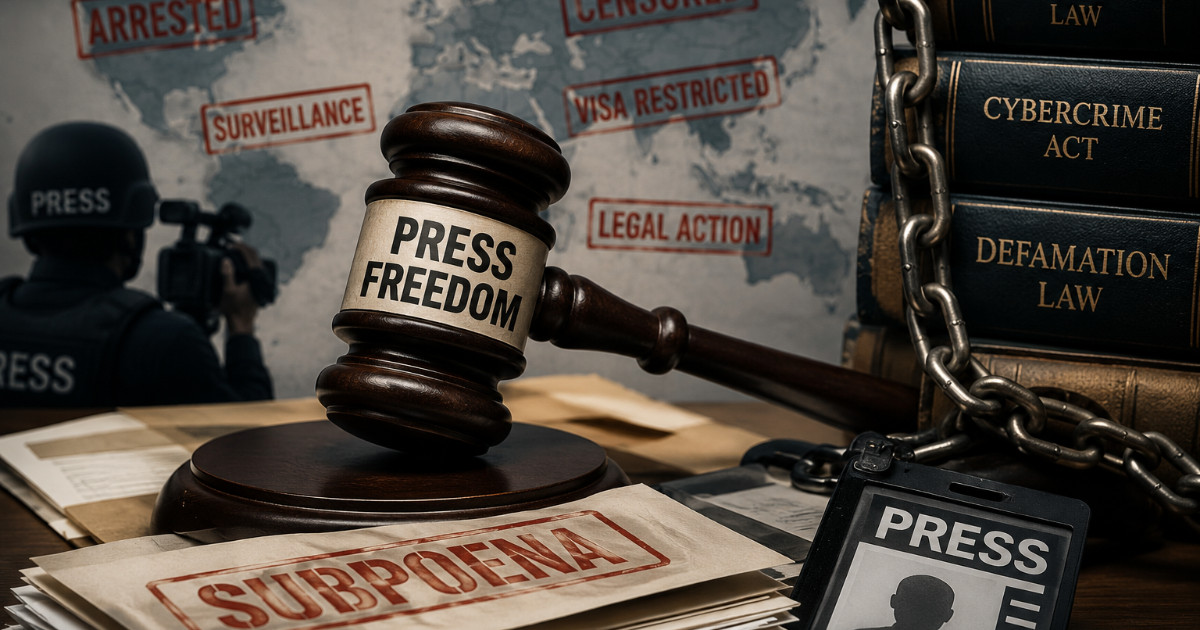
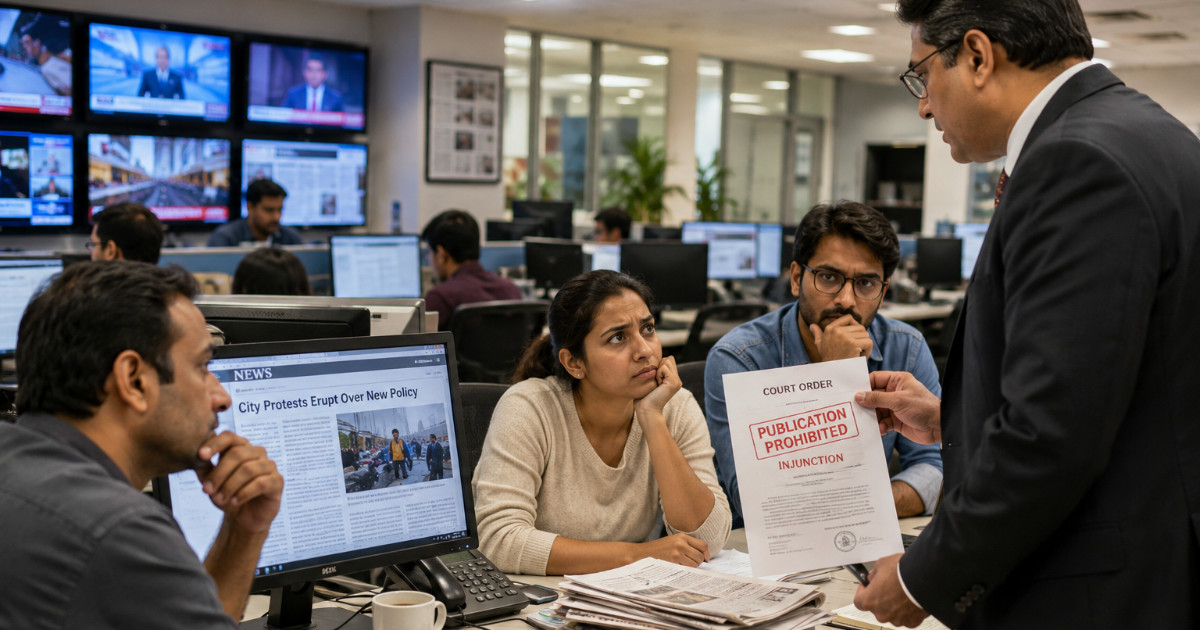
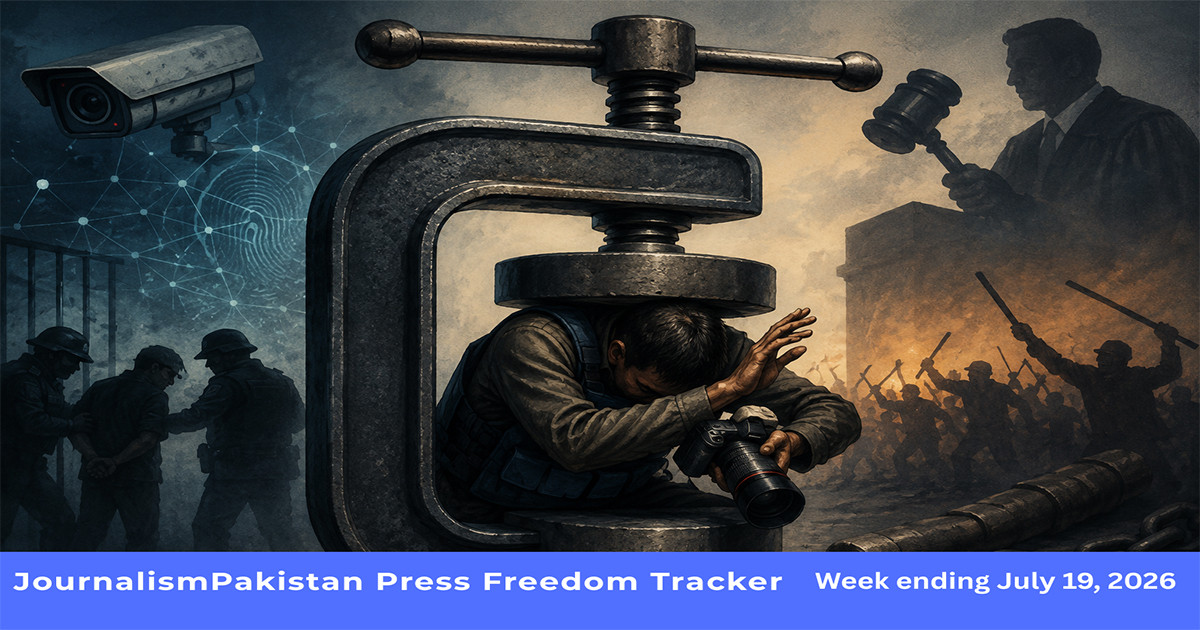
PHOTO: AI-generated; for illustrative purposes only.
Key Points
- International outlets examined rising political pressure on the BBC in mid-December
- Coverage highlighted disputes over funding, content, and legal threats
- Analysts warned of risks to editorial independence even in strong democracies
- The BBC debate is seen as influential for global public media policy
Relevant Topics
Ask AI: Understand this story your way
AI EnabledDig deeper, ask anything — get instant context, background, and clarity.
Disclaimer: This feature is powered by AI and is intended to help readers explore and understand news stories more easily. While we strive for accuracy, AI-generated responses may occasionally be incomplete or reflect limitations in the underlying model. This feature does not represent the editorial views of JournalismPakistan. For our full, verified reporting, please refer to the original article.