
HRW warns Middle East conflict strikes heighten risks for journalists
JournalismPakistan.com | Published: 15 December 2025 | JP Middle East Desk
Join our WhatsApp channel
Human Rights Watch has updated its findings on attacks impacting journalists in the Middle East, particularly in Lebanon. The organization highlights the challenges posed by damaged infrastructure and the resulting dangers for reporters operating in contested areas.Summary
BEIRUT — Human Rights Watch updates released on December 15 drew renewed attention to ongoing attacks on civilian and reconstruction infrastructure in Lebanon and other frontline areas across the region, underscoring the risks faced by journalists reporting from contested zones.
The organization’s country updates form part of its broader monitoring of how military operations intersect with civilian life, including the safety of local and foreign media workers operating near borders and active conflict areas.
Heightened dangers for frontline reporters
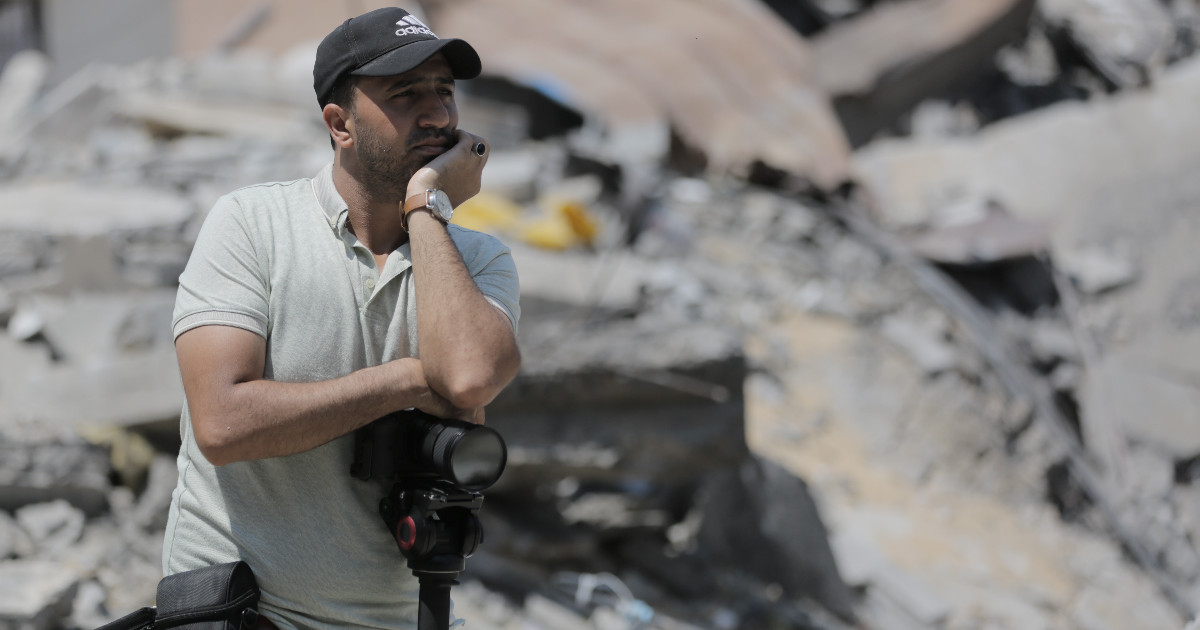
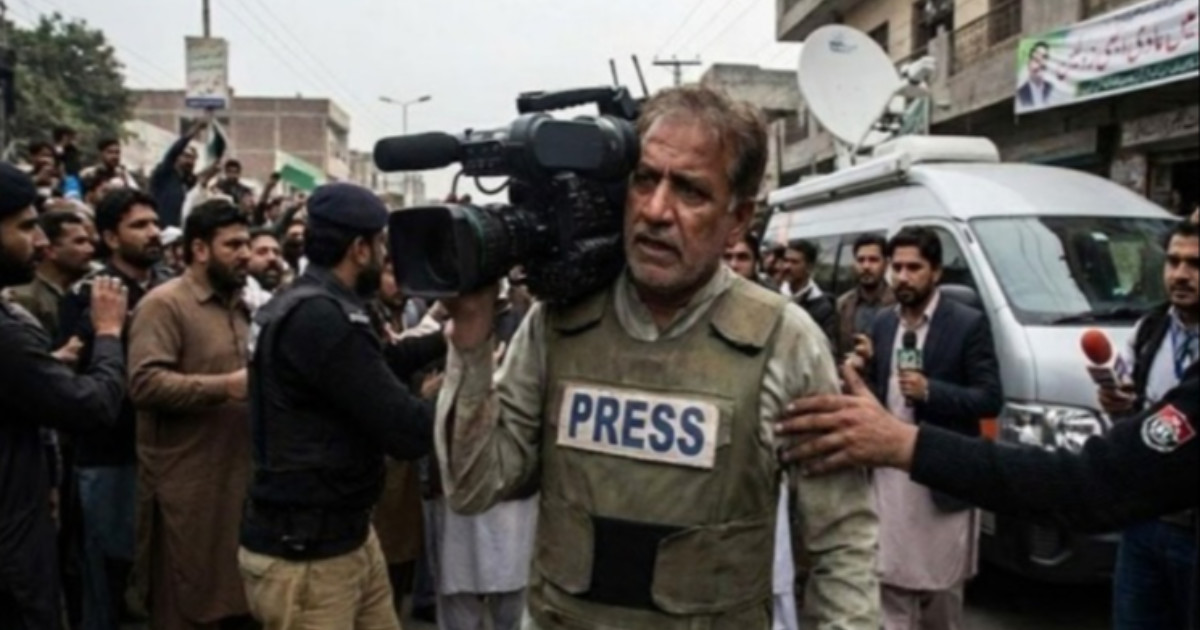
Human Rights Watch has repeatedly documented how strikes on civilian sites and essential infrastructure create unpredictable and hazardous conditions for journalists, particularly those covering border regions and areas with limited evacuation routes.
For reporters, damaged roads, communications networks, and power supplies can sharply restrict movement and access to reliable information, increasing exposure to harm while gathering on-the-ground evidence.
Operational and editorial challenges for newsrooms
Media organizations covering these areas face growing pressure to reassess deployment decisions, insurance coverage, and duty-of-care obligations as access becomes more restricted and risks escalate.
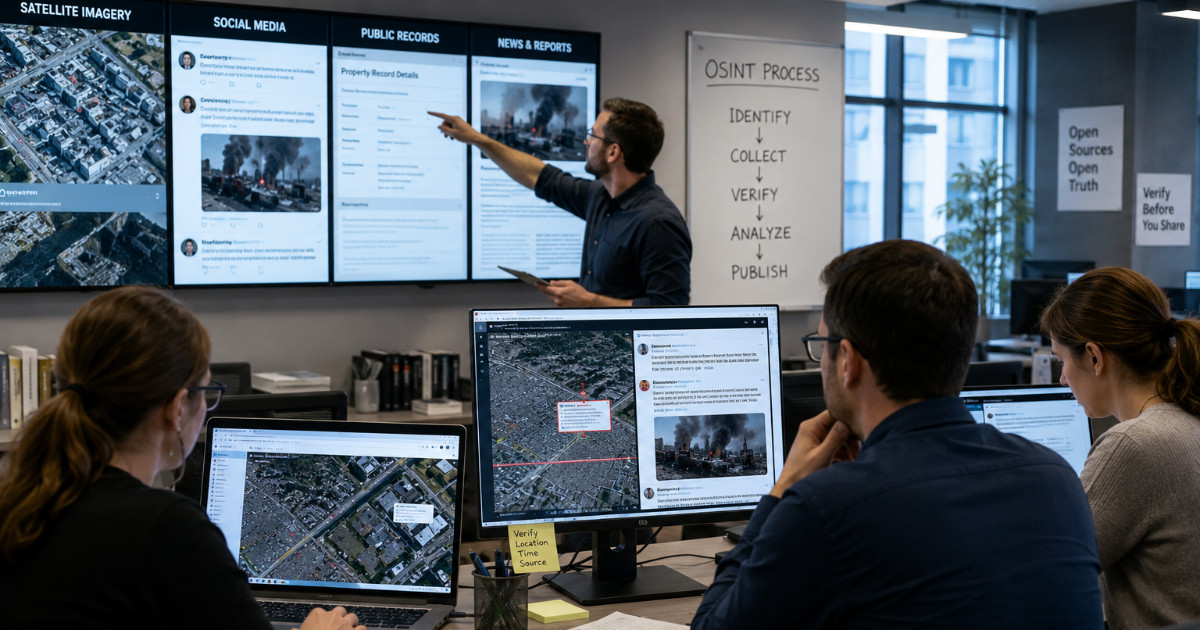
As a result, many newsrooms are relying more heavily on remote reporting, local fixers, and open-source intelligence, approaches that carry their own verification challenges and financial implications.
Human Rights Watch’s findings highlight how the evolving conflict environment is reshaping not only journalist safety but also editorial workflows, budgets, and the depth of independent reporting available from affected regions.
ATTRIBUTION: Reporting based on Human Rights Watch country updates and public documentation.
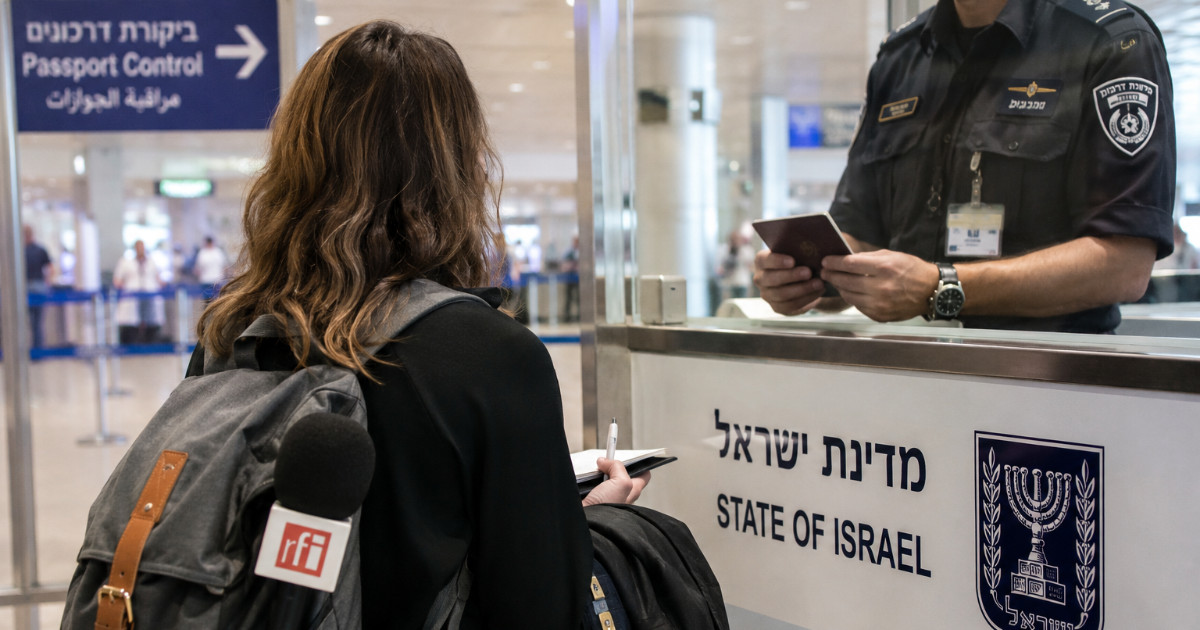
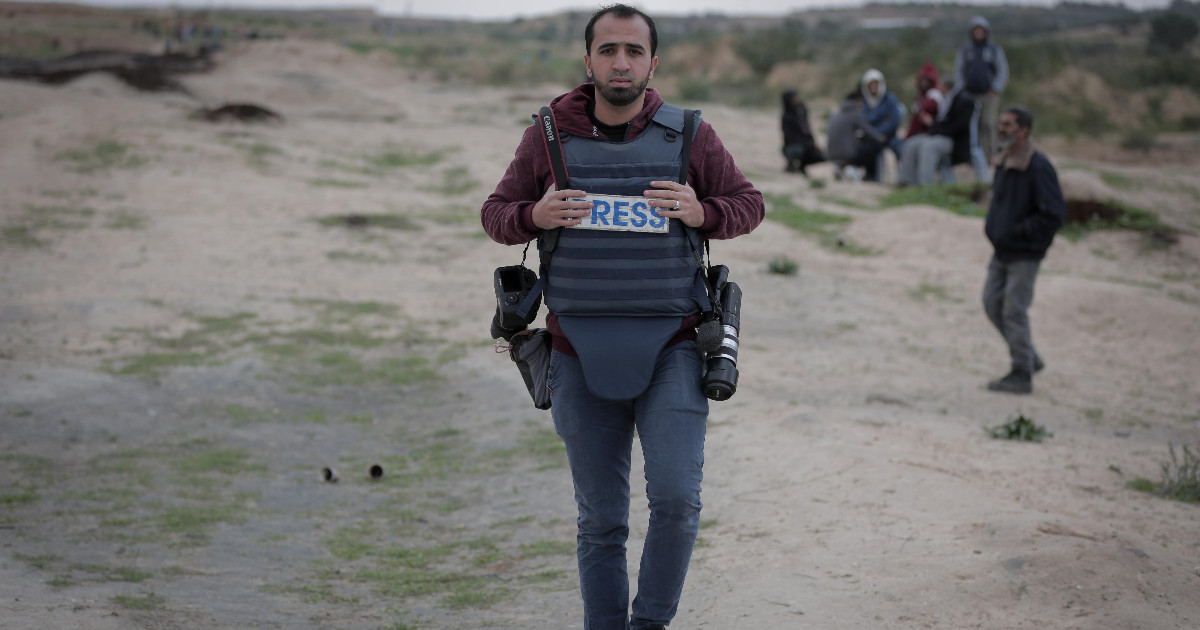
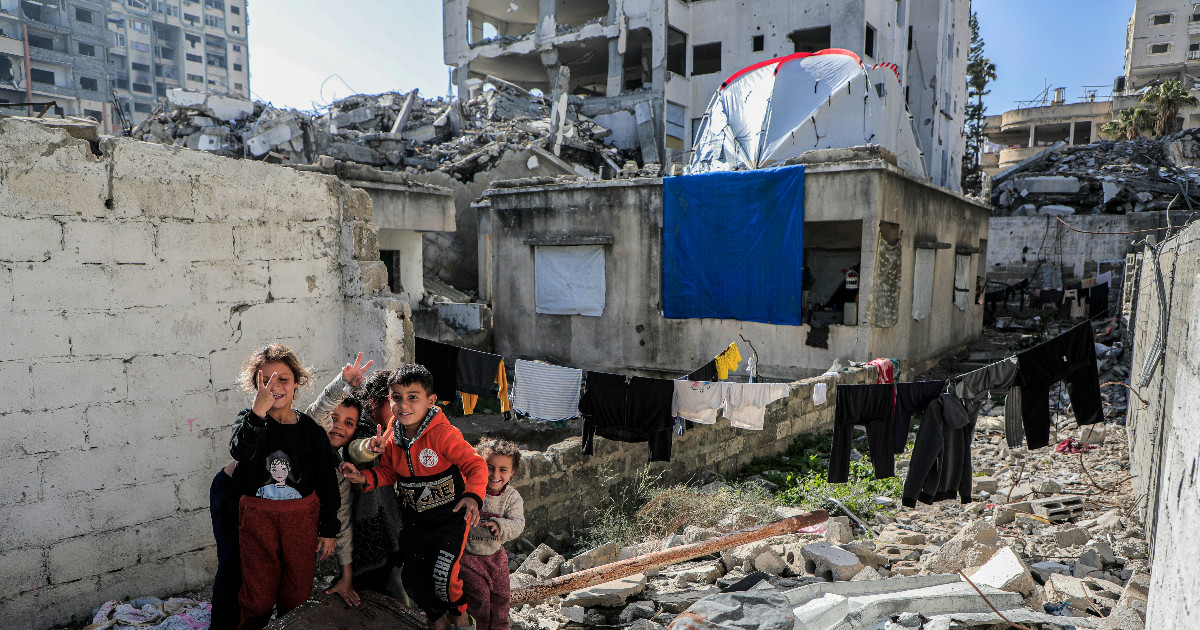
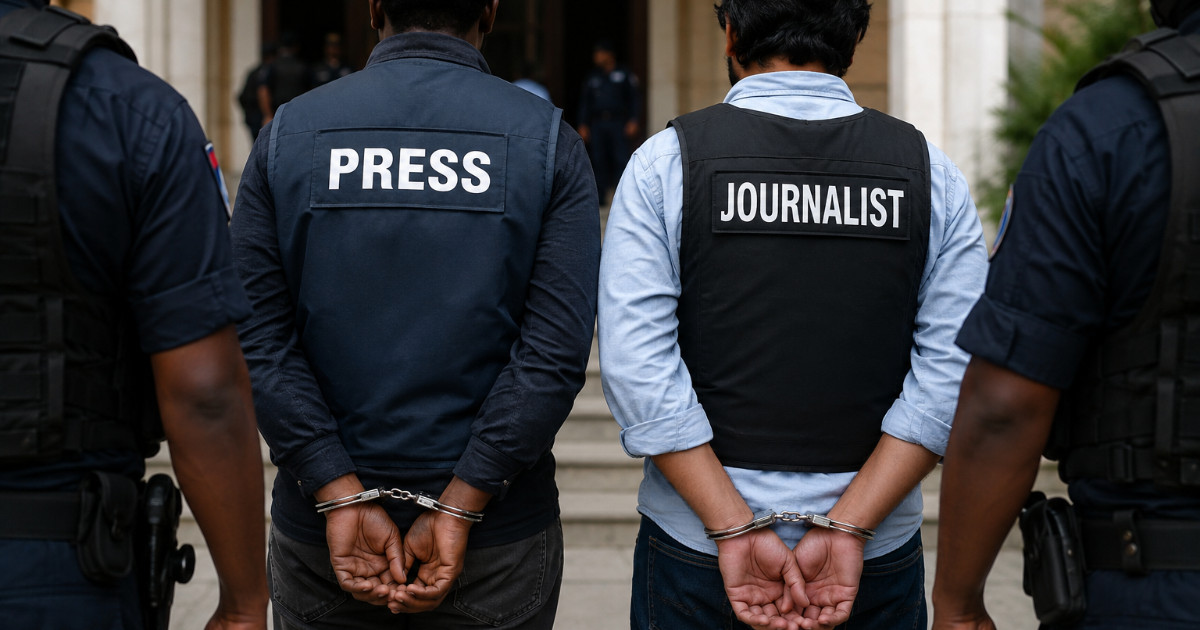
PHOTO: AI-generated; for illustrative purposes only.
Key Points
- Human Rights Watch flagged attacks on civilian infrastructure in Lebanon and other frontline areas on December 15
- Such attacks increase physical risks for journalists operating in border and contested zones
- Damage to infrastructure restricts access and complicates on-the-ground verification
- Newsrooms are increasingly relying on remote reporting and open-source methods
- Safety risks influence editorial decisions, insurance costs, and deployment planning
Relevant Topics
Ask AI: Understand this story your way
AI EnabledDig deeper, ask anything — get instant context, background, and clarity.
Disclaimer: This feature is powered by AI and is intended to help readers explore and understand news stories more easily. While we strive for accuracy, AI-generated responses may occasionally be incomplete or reflect limitations in the underlying model. This feature does not represent the editorial views of JournalismPakistan. For our full, verified reporting, please refer to the original article.