
Israel media access ban in Gaza draws international press condemnation
JournalismPakistan.com | Published: 11 December 2025 | JP Middle East Desk
Join our WhatsApp channel
Israel's ongoing ban on unescorted foreign journalists in Gaza has drawn significant condemnation from international press organizations. Critics assert that this policy restricts independent reporting and undermines transparency in the conflict zone.Summary
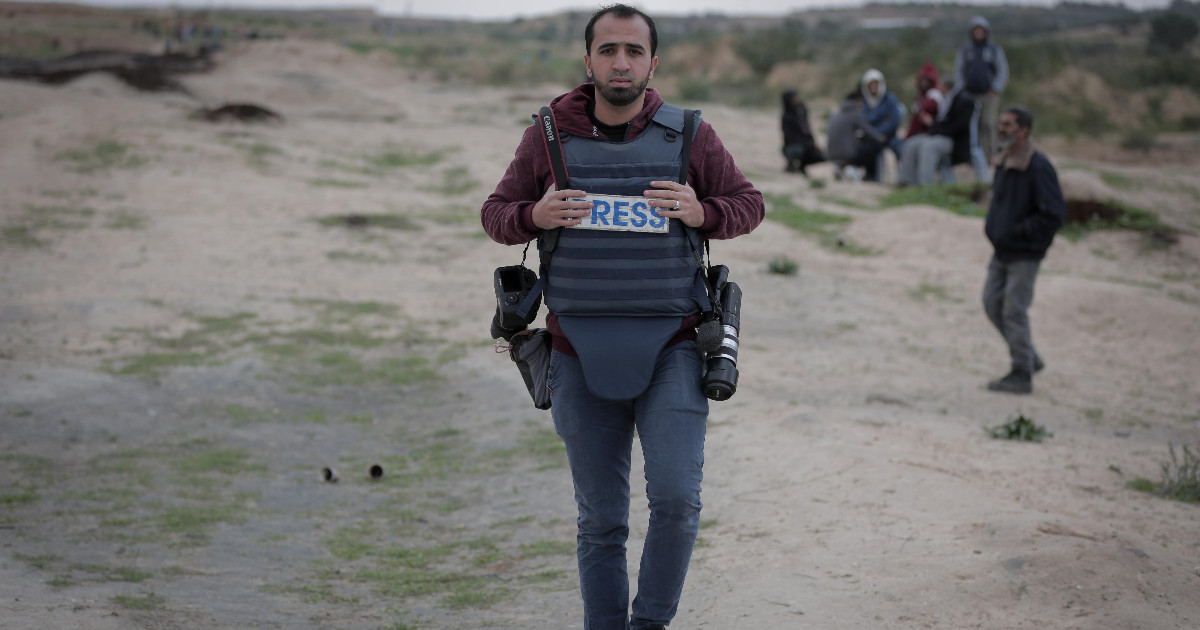
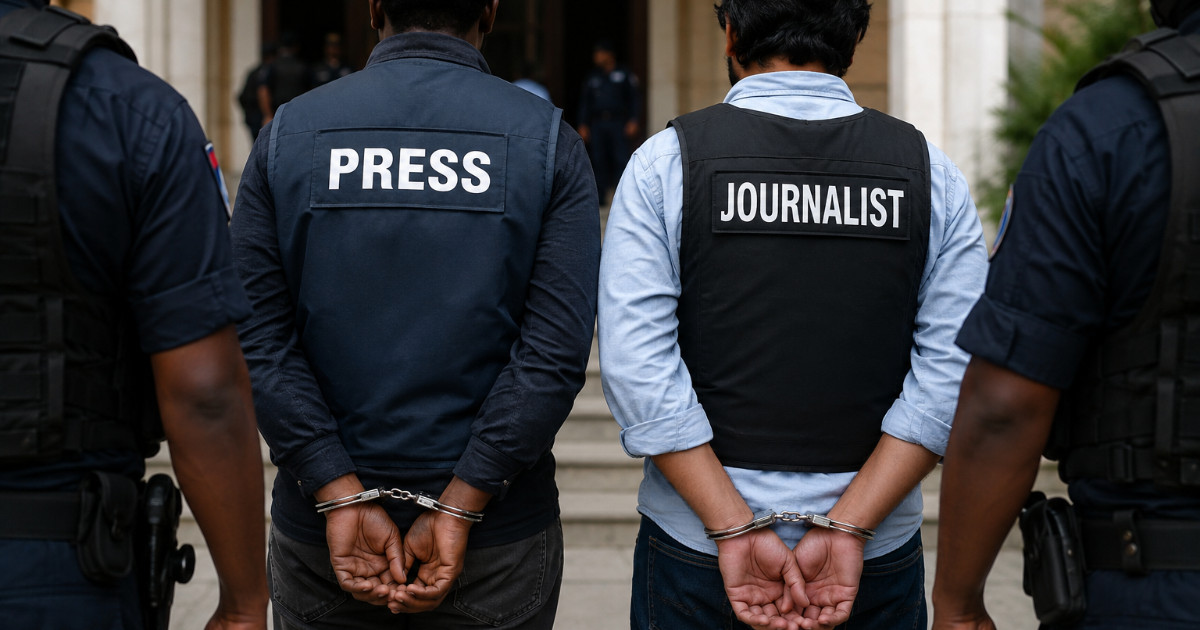
LONDON — International press freedom organisations and major news outlets on December 10 publicly condemned Israel’s continued ban on unescorted foreign journalists entering the Gaza Strip, saying the policy undermines independent reporting and transparency. The coordinated statements from press freedom advocates reflect growing concern among media professionals about restricted access to frontline reporting in the conflict zone. The Foreign Press Association and other groups said limiting coverage to escorted visits controlled by military authorities restricts the ability of journalists to report freely and accurately from Gaza.
Press groups have characterized the escorted media access offered as an inadequate substitute for true independent reporting, noting that journalists under military supervision face constraints on where they go, whom they interview, and what they observe. These restrictions, critics argue, make it challenging to verify conditions on the ground, corroborate accounts of civilian harm, and report without undue influence. The Foreign Press Association and allied organisations maintain that war-time censorship and controlled access damage press freedom norms and the public’s right to know.
Media freedom advocates detail coverage barriers
Press freedom groups reiterated that Israel has effectively barred independent foreign journalists from entering Gaza since October 7, 2023, despite intermittent ceasefires and international appeals. The Committee to Protect Journalists and Foreign Press Association have called on Israeli authorities to grant immediate, unrestricted access for international media, saying that press freedom obligations under international law are not being met. Journalists in Gaza have relied heavily on local reporters and tightly controlled tours for information and imagery, raising questions about balanced reporting.
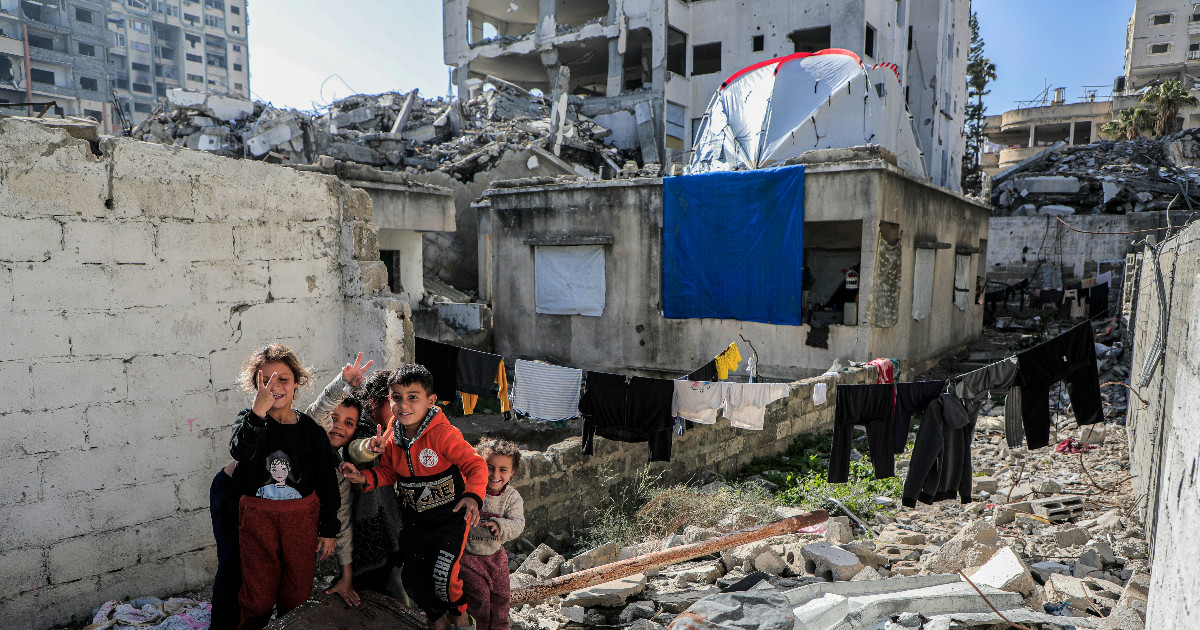
Critics argue that continued denial of independent press access skews global understanding of the conflict, increases reliance on secondary or filtered sources, and undermines accountability for potential violations of international humanitarian law. Press organisations point out that the lack of independent coverage may contribute to misinformation and a lack of trust in reporting emerging from the territory, affecting how global audiences and policymakers perceive developments on the ground.
Legal challenges and international pressure on access
In addition to advocacy statements, legal and institutional challenges have arisen. Journalists’ unions in Europe have filed formal complaints over restrictions, and press freedom organisations have supported petitions aiming to compel more open access for international media through judicial and diplomatic channels. These efforts underscore a broader push among media professionals and observers for structural changes to how press access is managed in conflict environments, balancing safety concerns with fundamental reporting rights.
ATTRIBUTION: Reporting based on verified news sources.
Key Points
- International press freedom organizations condemned Israel's ongoing ban on independent foreign journalists entering Gaza.
- Escorted media access is criticized for limiting transparency and independent reporting.
- Media groups demand unrestricted access for international journalists to uphold press freedom norms.
- Heavy reliance on local reporters raises concerns about the balance of reporting from Gaza.
- Legal challenges highlight increasing pressure for changes in media access policies.
Relevant Topics
Ask AI: Understand this story your way
AI EnabledDig deeper, ask anything — get instant context, background, and clarity.
Disclaimer: This feature is powered by AI and is intended to help readers explore and understand news stories more easily. While we strive for accuracy, AI-generated responses may occasionally be incomplete or reflect limitations in the underlying model. This feature does not represent the editorial views of JournalismPakistan. For our full, verified reporting, please refer to the original article.