
Security crackdowns during Iran protests hit independent media
JournalismPakistan.com | Published: 1 January 2026 | JP Middle East Desk
Join our WhatsApp channel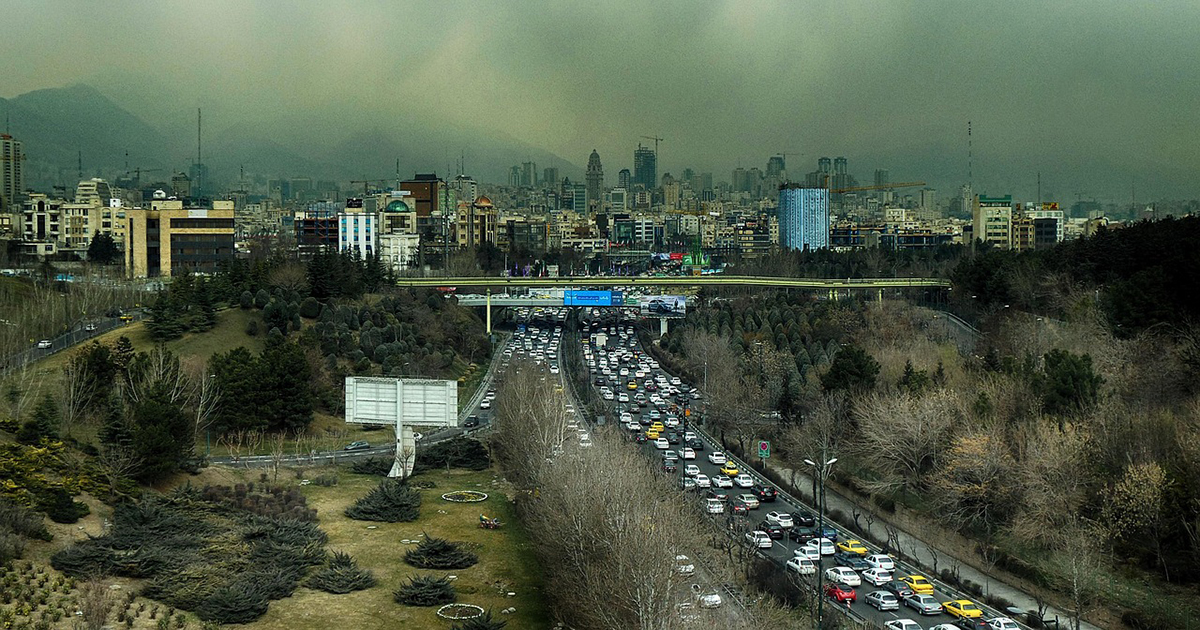
The ongoing protests in Iran have been met with strict security protocols, heavily restricting independent journalism. This has led to challenges for reporters documenting the unrest, further complicating the verification of information.Summary
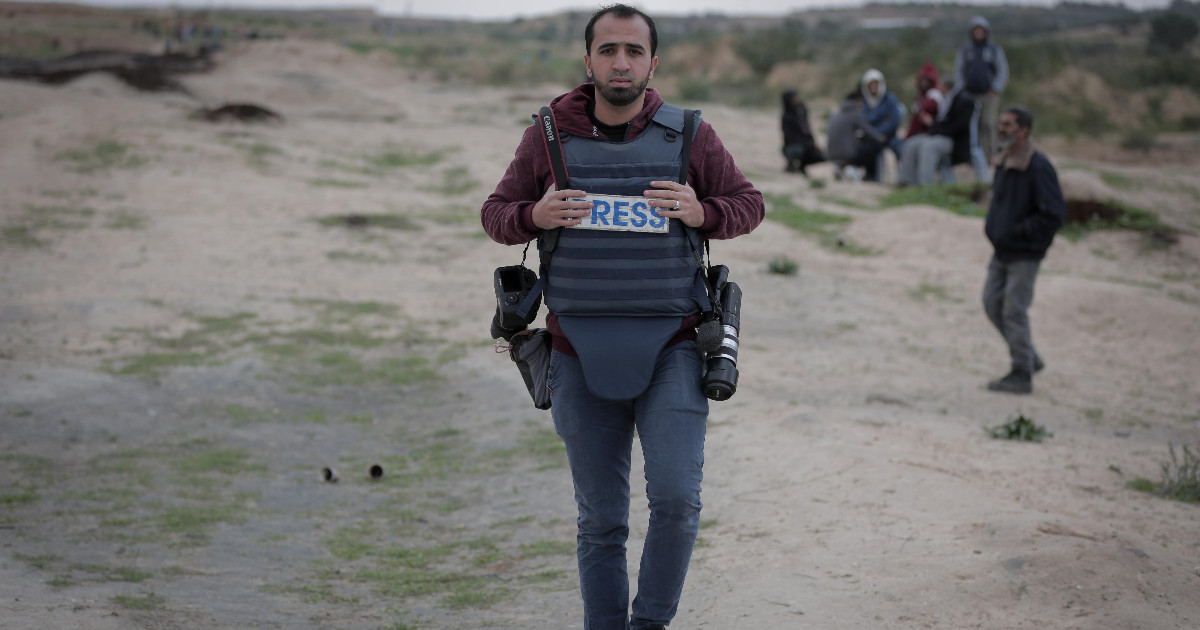
TEHRAN — Ongoing protests across several Iranian cities around December 31 unfolded under heavy security measures that significantly affected the country’s information environment. Independent and citizen journalists attempting to document strikes and demonstrations faced heightened risks amid restrictions on reporting and movement.
Accounts shared by activists and media freedom organizations described a volatile situation in which public gatherings were met with visible security deployments. These conditions limited on-the-ground verification and reduced the flow of independently confirmed information from protest locations.
Challenges for independent and citizen journalists
For journalists working outside state-affiliated outlets, the protests underscored long-standing constraints on press freedom in Iran. Citizen reporters, relying on mobile phones and social media platforms, reported disruptions, while professional journalists faced the risk of questioning or detention when covering unrest, according to international watchdog groups.
The pressure on reporting did not stem from formal announcements alone but from an environment shaped by surveillance, warnings, and the potential legal consequences of unauthorized coverage. Media analysts note that such conditions often lead to self-censorship, narrowing the range of publicly available perspectives.
Broader implications for information access
The late-December unrest highlighted how periods of civil discontent in Iran are frequently accompanied by tighter control over information. While state media continued to publish official narratives, independent verification of events remained limited, affecting both domestic audiences and international observers.
Regional media experts say the situation reflects a broader pattern in which security responses during protests constrain journalistic work without transparent legal processes. This dynamic, they argue, complicates efforts to assess events accurately and undermines public trust in available information.
ATTRIBUTION: Reporting based on publicly documented accounts from international media freedom organizations and regional media analysis.
PHOTO: By haidar alkhayat from Pixabay
Key Points
- Protests and strikes around December 31 coincided with heavy security measures in multiple Iranian cities
- Independent and citizen journalists reported increased difficulty documenting events on the ground
- Media freedom groups have long warned of risks to journalists covering unrest in Iran
- Restrictions during protests limited independent verification of information
Relevant Topics
Ask AI: Understand this story your way
AI EnabledDig deeper, ask anything — get instant context, background, and clarity.
Disclaimer: This feature is powered by AI and is intended to help readers explore and understand news stories more easily. While we strive for accuracy, AI-generated responses may occasionally be incomplete or reflect limitations in the underlying model. This feature does not represent the editorial views of JournalismPakistan. For our full, verified reporting, please refer to the original article.