.png)
Investigating investigative journalism
JournalismPakistan.com | Published: 2 May 2012 | Rashid Ali
Join our WhatsApp channel
The article discusses Dawn journalist Mubarak Zeb Khan’s APNS award win in the Business/Economics category. It argues his work reflects disciplined investigative reporting while criticising poor training and jargon-driven reporting culture in Pakistan.Summary
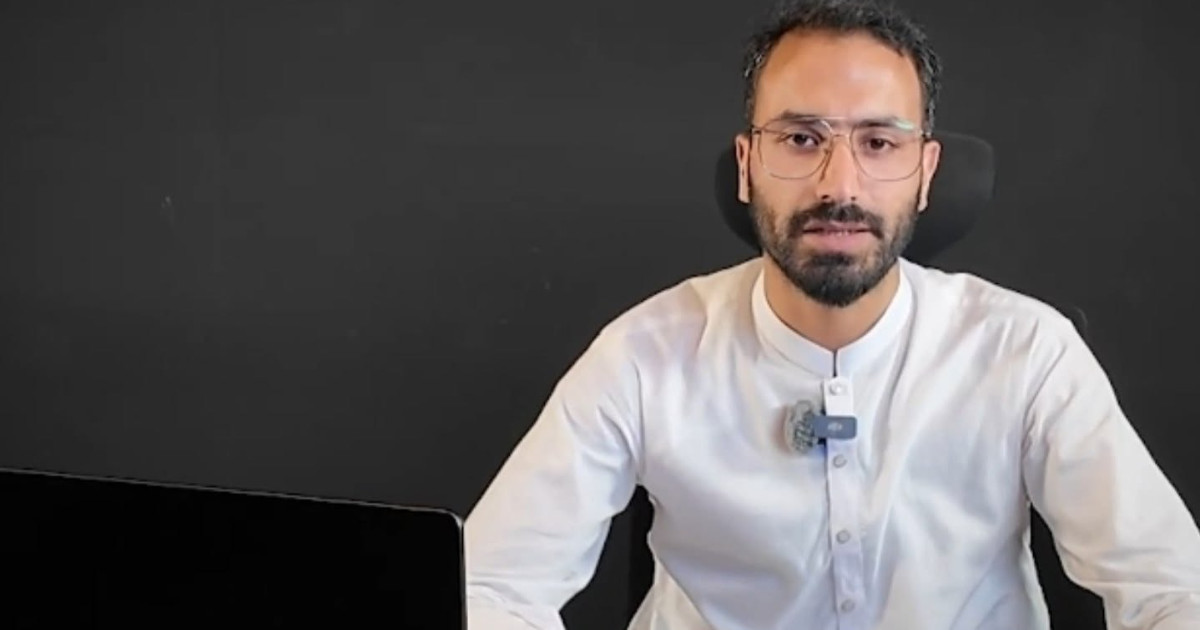
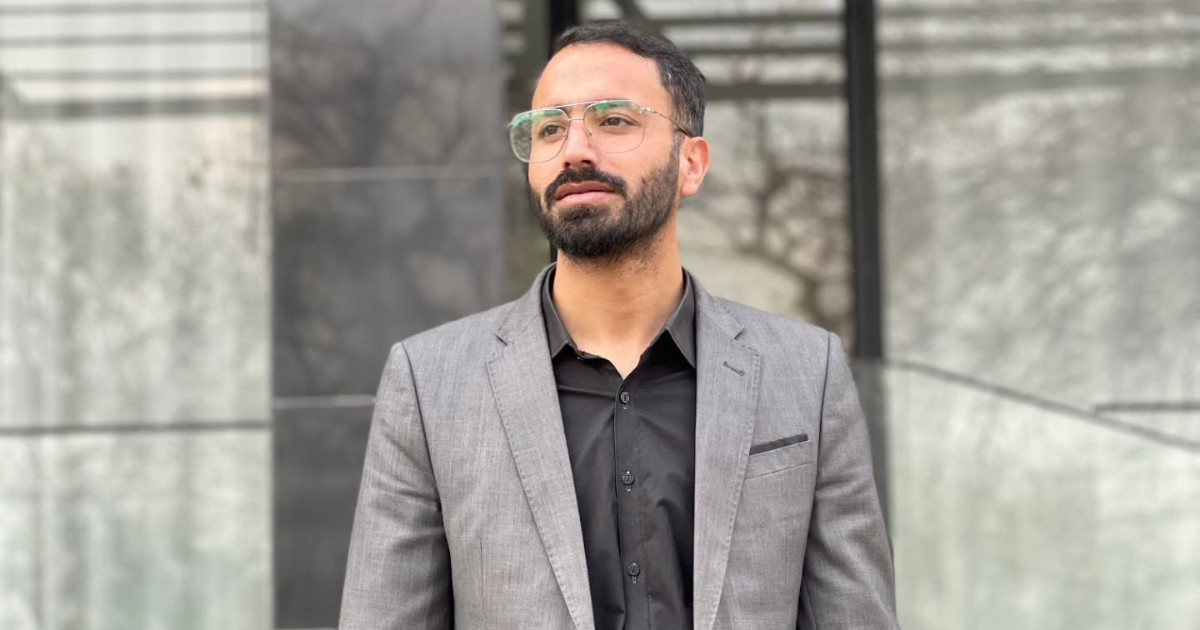
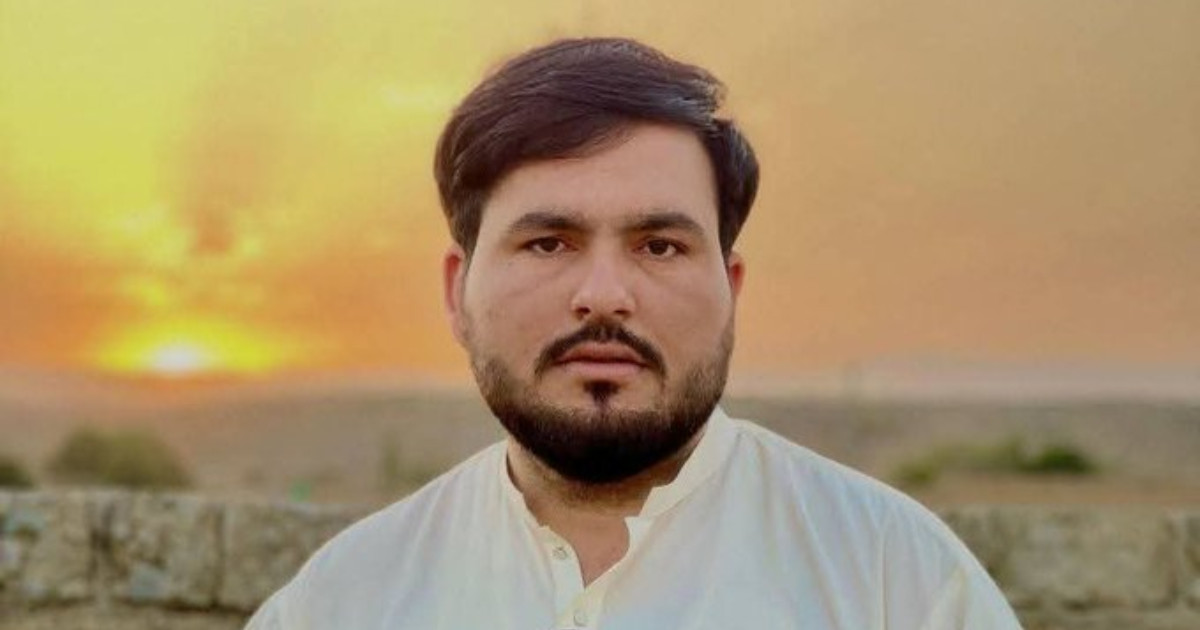
LAHORE: Dawn's Mubarak Zeb Khan recently won an All-Pakistan Newspapers Society (APNS) award for being the ‘Best Investigative Reporter’ in the Business/Economics category. It would be surprising if he had not. After all, Mubarak was better equipped to land his hands on the silverware than most of his rivals.
I’ve heard from here and there that the award had as much to do with his seniority as a journalist in the Business/Economics category and the newspaper he works for rather than the award winning story. As far as I’m concerned this is a case of ‘sour grapes’. Mubarak is a knowledgeable journalist and a pretty meticulous one.
He is also very tenacious and this one attribute mixed with well-directed probing leads to a good investigative report. It’s so simple.
True, Mubarak can be quite abrasive and quite easily gets under one’s skin; his cynicism is usually over the top and, depending on the circumstances, he may or may not be likeable, but one thing is for sure… Mubarak deserved that award more than any of the other nominees. Why?
Because Mubarak worked hard on a consistent basis and produced stories that were accurate, informative, researched, cohesive, covered all facets and above all properly investigated. That is why his stories have been having the impact they have. He was simply doing his job the right way. There are other factors that come into play – discipline, experience and contacts and above all, a nose for a good story.
Once again, that’s proper journalism. So Mubarak used all the tools of the trade. He knew what to do, how to do it and why. Recently, I attended a workshop on journalism in Islamabad.
Although a journalist by default, I was shocked to discover that many of the so-called journalists and a good number of the so-called ‘seniors’ attending the workshop did not know the five Ws and one H of journalism – what, when, why, where, who and how!!
They were more interested in strutting about, showing off about stories they had done and which may or may not have been read or seen on television. I wish I could have got my hands on half those stories. I’m sure most of them would fail not only in language, but description, authenticity and purpose. Most probably they would not have a flow and there would be no start, middle and end.
I have come across plenty of these journalists in the recent past. They come out of college/university and want to be a journalist mostly because they think its ‘glamorous’. Well it’s not. There is hard work involved.
What really disturbs me is they use such words as ‘investigative stories’, ‘exclusives’, ‘specials’, ‘exposes’ etc as if they were discussing lunch or the meal they had the previous night. They talk about innovation, new journalism, and linear writing as if they were no big deal.
Pretty impressive stuff if one was not initiated in this new found ‘smart speak’ that in truth rings as hollow as an empty drum. Their writing is loaded with clichés, phrases and blatant plagiarism. They think its ‘cool’ to use slang and fashionable to use street words. The first rules of writing demand one to be clear, lucid, cogent and coherent while also be easily readable.
That is why seasoned journalists often talk about ‘hitting their rhythm’ or being ‘in the flow’. They write from the reader’s perspective and ensure they are easily understood. One is moved to admire such writing for its accessibility, its readability. It’s lack of pretension. Most of all, however, I’m irked by all this talk about ‘investigative journalism’.
There are a number of dubious players in the game right now in Pakistan who profess to being gurus of ‘investigative journalism’, pioneers in teaching ‘investigative journalism’ and promoting the cause of ‘investigative journalism.’ Some of these so-called experts have never written a story/report for a newspaper, magazine or TV channel ever and yet our journalists naively fall for their hypnotic mumbo-jumbo.
They even organize award ceremonies and workshops on ‘investigative journalism’ although they have never been nor ever will be journalists. For them it’s all a matter of feeding their bloated egos and making a fast buck, usually from willing donor agencies and NGOs. These individuals and establishments are vultures that know an opportunity when they see one.
I have a point to make: “What is journalism if it is not a process of investigation?” How can one write a report/story if he has not investigated, not asked questions, not run down the leads and information, has not talked to people concerned, has not researched what he is writing about, does not have literature on the subject? Does not know the inside and outs of the event -the who, the what, the why?
Is that not journalism? Is investigation not part of journalism? So what is this ‘investigative journalism’ semantic crap trap we find ourselves ensnared in? Sometimes, a journalist investigates on his own, follows leads and chases down a story on his own and yet on other occasions he works with a partner or even a team. They do what generations of journalists have done before.
So how then is ‘investigative reporting’ suddenly in the limelight? It is not an invention, not new, not unique. It’s always been part of the game.
The one factor I’m willing to cede is that ‘investigative reporting’ should encompass a report or story that has a far-reaching impact, covers a broad canvass and impacts a large number of people, is incisive, comprehensive and leads to a point which incurs proactive results.
This is my opinion; this is my investigation. (Rashid Ali is a guest writer for JournalismPakistan.com)
Key Points
- Mubarak Zeb Khan wins an APNS award as Best Investigative Reporter in Business/Economics.
- The writer argues the award is deserved due to consistent, researched and accurate reporting.
- A journalism workshop highlighted that some participants lacked basic reporting fundamentals like the five Ws and one H.
- The piece criticises misuse of terms such as investigative, exclusive and expose in Pakistani journalism.
- It calls for clearer writing standards and stronger newsroom discipline over jargon and plagiarism.
Relevant Topics
Ask AI: Understand this story your way
AI EnabledDig deeper, ask anything — get instant context, background, and clarity.
Disclaimer: This feature is powered by AI and is intended to help readers explore and understand news stories more easily. While we strive for accuracy, AI-generated responses may occasionally be incomplete or reflect limitations in the underlying model. This feature does not represent the editorial views of JournalismPakistan. For our full, verified reporting, please refer to the original article.