
Staying safe: Essential tips for journalists reporting in Pakistani conflict zones
JournalismPakistan.com | Published: 26 June 2024
Join our WhatsApp channel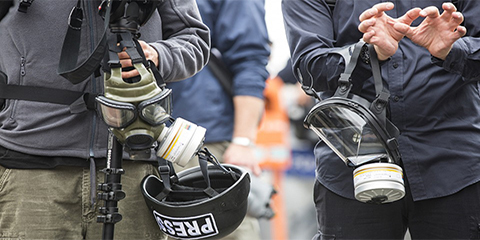
Journalists in Pakistan face significant risks while reporting from conflict zones. This article highlights essential safety measures to ensure their protection.Summary
ISLAMABAD—Pakistan has long been a dangerous place for journalists, with terrorism and violence posing constant threats. Since the early 2000s, hundreds of journalists have been killed while reporting from conflict zones, in bomb blasts and terrorist attacks. To mitigate these risks, journalists must adopt comprehensive safety measures. This article outlines key strategies for journalists to stay safe while reporting in conflict zones in Pakistan.
1. Prioritize Safety Training
Journalists should undergo specialized safety training tailored to conflict zones. This training should include first aid, risk assessment, and hostile environment awareness. Organizations like the Committee to Protect Journalists (CPJ) and Reporters Without Borders (RSF) often offer resources and training programs.
2. Use Protective Gear
Wearing protective gear such as bulletproof vests and helmets is essential. These items can provide a critical layer of protection against gunfire and shrapnel. Additionally, carrying a first aid kit and knowing how to use it can be lifesaving in emergencies.
3. Stay Informed
Keeping abreast of the latest developments in conflict zones is vital. Journalists should monitor news updates, intelligence reports, and local advisories to understand the security situation better. This information can help in planning safe routes and avoiding high-risk areas.
4. Build a Support Network
Having a reliable support network is crucial. Journalists should establish contacts with local authorities, NGOs, and other journalists who can provide assistance and information. In case of an emergency, a strong support network can facilitate quick responses and evacuations.
5. Avoid Working Alone
Journalists should avoid working alone in conflict zones. Working in pairs or teams can enhance safety and provide mutual support. Additionally, having a designated contact person who is regularly updated on the journalist's whereabouts can ensure that help is available if needed.
6. Digital Security
In conflict zones, digital security is as important as physical safety. Journalists should use encrypted communication tools and ensure that their devices are secure. They should also be aware of surveillance risks and take steps to protect their data and sources.
7. Mental Health Support
Reporting from conflict zones can take a toll on mental health. Journalists should have access to mental health support and counseling services. Regular debriefings and discussions about their experiences can help in managing stress and trauma.
The dangers faced by Pakistani journalists are underscored by the tragic killings of several reporters. In 2011, Syed Saleem Shahzad, an investigative journalist known for his reporting on terrorism and Al-Qaeda, was abducted and killed. Similarly, Wali Khan Babar, a journalist for Geo News, was shot dead in 2011 while covering gang violence in Karachi. These incidents highlight the severe risks involved in journalism.
KEY POINTS:
- Prioritize specialized safety training for conflict reporting.
- Wear protective gear such as bulletproof vests and helmets.
- Establish a reliable support network with local contacts.
- Avoid working alone; pair up for enhanced safety.
- Implement digital security measures to protect data and sources.