
The art of the sports interview: Techniques and tips
JournalismPakistan.com | Published: 6 October 2024 | Bilal Haider
Join our WhatsApp channel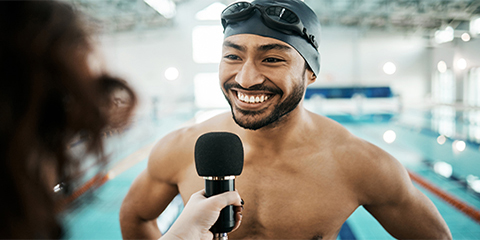
This article provides essential techniques for conducting successful sports interviews. It highlights the importance of preparation, rapport, and active listening.Summary
ISLAMABAD—Sports interviews can be thrilling, insightful, and sometimes unpredictable. As a sports journalist, mastering the art of the interview is crucial to capturing an athlete’s raw emotions, motivations, and reflections. Whether it’s a pre-game chat or a post-match reflection, a successful interview requires preparation, tact, and the ability to engage the athlete in a way that brings out their best. Here’s how to nail your next sports interview.
Preparation is Key Before you sit down with an athlete, do your homework. Know their recent performances, personal milestones, and the broader context of their career. Research the sport they play, the team dynamics, and the current challenges they face. The more prepared you are, the better your questions will be, and the more likely the athlete will open up.
Build Rapport A successful interview hinges on trust and rapport. Start with small talk to ease the tension. Athletes, like anyone else, are more likely to engage if they feel comfortable with the interviewer. Your tone should be relaxed yet professional, showing that you respect their time and experience.
Ask Open-Ended Questions One of the golden rules of interviewing is to avoid yes-or-no questions. Open-ended questions allow athletes to express themselves more freely and offer deeper insights. For example, instead of asking, “Did you think you played well?” try asking, “What were the challenges you faced during the game, and how did you overcome them?”
Listen Actively Active listening is crucial during a sports interview. Athletes may drop subtle hints or touch on emotional moments that could lead to richer discussions. Don’t stick rigidly to your list of questions; instead, listen closely and be ready to dive deeper into unexpected areas based on the athlete’s responses.
Capture Emotion and Storytelling Sports are filled with intense moments of victory, defeat, and personal struggle. As an interviewer, your goal is to tap into these emotions. Ask about pivotal moments that shaped the athlete’s journey, their challenges in the sport, or personal sacrifices they’ve made. These stories add depth and make the interview resonate with fans.
Avoid Overly Technical Jargon While it’s important to show that you understand the sport, avoid making the conversation too technical. The average fan may not be familiar with every term, and athletes might prefer to speak more freely about their experiences rather than getting bogged down in technicalities. Strive for a balance between expertise and accessibility.
Respect Boundaries There are always sensitive topics, especially in sports. Whether it’s an injury, a personal issue, or a controversial decision, be mindful of how you approach such matters. Respect the athlete’s boundaries and avoid pushing too hard. A respectful approach will increase the likelihood of gaining more candid responses in the long run.
Wrap It Up with Gratitude Always end the interview on a positive note. Thank the athlete for their time and insights. This not only leaves a good impression but also increases your chances of securing future interviews.
A sports interview is an art that requires a mix of preparation, empathy, and strong communication skills. By following these techniques, sports journalists can capture compelling stories that resonate with audiences and provide deeper insights into the athlete's world.
KEY POINTS:
- Preparation is key to effective interviews.
- Building rapport helps athletes open up emotionally.
- Use open-ended questions for deeper insights.
- Listen actively to explore unexpected topics.
- Respect sensitive boundaries for candid responses.