
IFJ conference on impunity for crimes against journalists calls for codification of protection measures
JournalismPakistan.com | Published: 8 November 2016
Join our WhatsApp channel
The International Federation of Journalists convened a conference to address impunity for crimes against journalists. Delegates discussed necessary measures to enhance protections for media workers and the call for a new legal framework.Summary
BRUSSELS - A conference convened by the International Federation of Journalists (IFJ) on ending impunity for crimes targeting journalists and media workers has called for action to tackle the global crisis of impunity.
The conference “Turning the words into actions”, which took place at the IFJ headquarters in Brussels on November 7, recommended addressing current weaknesses in the international legal framework for greater media protection through the adoption of a new convention on the safety of journalists.
Delegates to the conference highlighted a series of existing weaknesses in the protection of journalists including the non-recognition of victim status to journalists, the limited efficiency of the general provisions of International Human Rights Law for media protection and the lack of recognition of their profession.
Organized one week after the third commemoration of the UN Day to end impunity for crimes against journalists, the conference highlighted the safety crisis in media and adopted the strategies to resolve it. It brought together members of the IFJ Executive Committee, United Nations, OSCE and ITUC senior representatives, legal experts, media practitioners as well as relatives of killed journalists.
Speakers addressed the safety of journalists and other media workers, including the on-going killings, kidnappings and threats which continue to be committed in total impunity, thus fueling further violence in countries such as Colombia, India, Palestine and Somalia.
The IFJ President, Philippe Leruth, underscored in his opening remarks the need for prevention of violence against journalists, noting that 15 of them had lost their lives since his election at the IFJ World Congress last June in Angers.
He welcomed the statistics from UNESCO which show an increase in the responses from Member States on their reaction to killings of journalists and media workers but called for more accountability.
“Prevention means convicting killers of journalists,” he said.“ We welcome the fact that more governments respond the UNESCO’s inquiries on the matter but they now need to resolve more killing cases.” Dr Carmen Draghici, a legal expert who reviewed the existing international legal framework on the protection of journalists, recommended a comprehensive codification of all provisions relevant to their protection with a view to addressing specific professional risks that journalists face in their work and its values to society.
The new instrument, in the form of a binding convention or declaration, on the safety of journalist would also help national governments understand their obligations. The conference also discussed the role of journalists and their organizations in addressing the issue of impunity.
The Director of the UN Regional Information Center (UNRCI) for Western Europe Deborah Seward noted that the safety of crisis in media is high on the international policy agenda. She referred to the UN Day against impunity for crimes targeting journalists and the UN Action Plan on the safety of journalists and the issue of impunity which seeks to ensure the free flow of information.
Ms Seward said that actions need to go beyond commemoration to achieve real change on the ground. To this end, journalists have to learn about their rights and how to hold their governments to their obligations.
Media organizations play an important role, including providing support to journalists who are victims of violence and their families, according to Mrs Fabienne Mercier Nérac, who was married to cameraman Frédéric Nérac killed in 2003 in Iraq.
She told the conference that, while her husband’s body was never found, his employer supported the family to secure an inquest which determined the killing of Nérac and allowed the family to know the truth and bring closure on their loss.
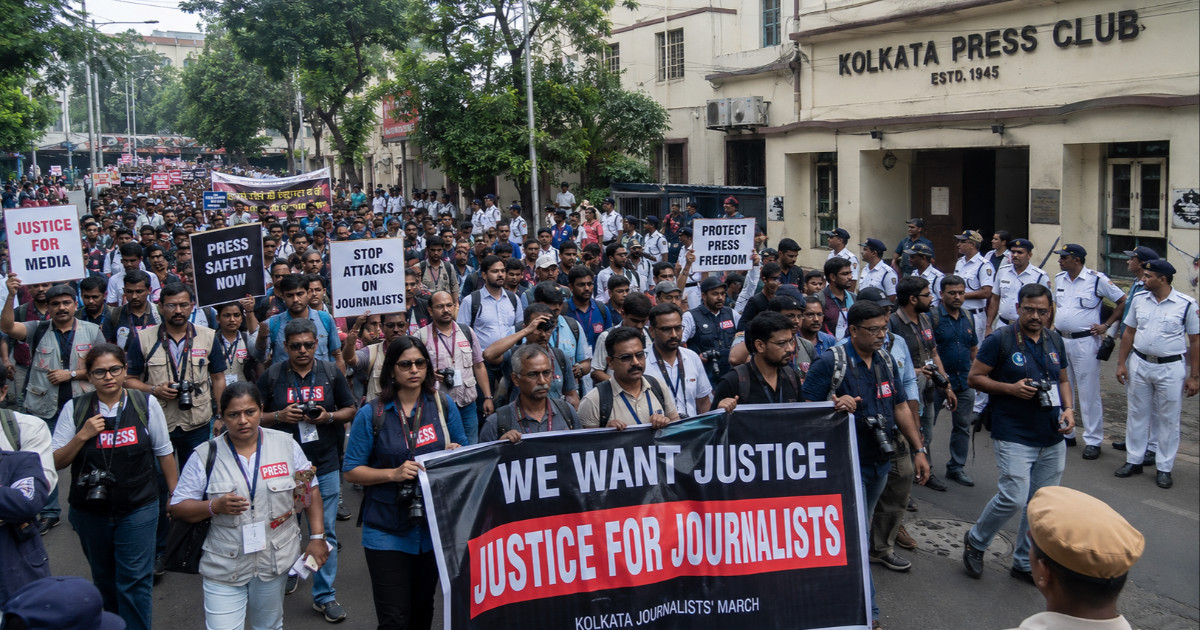
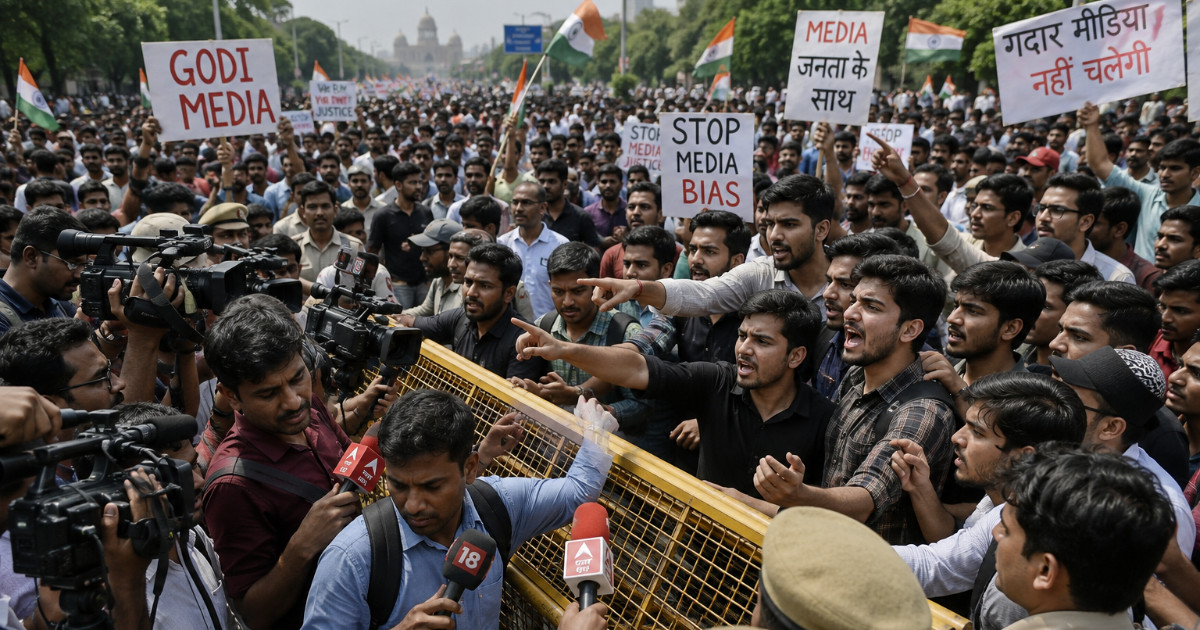
The situation in a number of countries which forms part of the focus of the IFJ 2016 campaign against impunity for violence in journalism were discussed in detail, including India and Yemen together with other hot spots in the world such as Colombia and Somalia.
Among key contributing factors to the prevailing impunity were the lack of a political will, especially in cases concerning less well-known journalists, as well as failing judicial systems.
The IFJ conference was supported by the International Trade Union Confederation (ITUC) and its Communications Director Tim Noonan spoke about their shared values with the IFJ, including freedom of expression, association and assembly which are the cornerstone of democracy.
“Now more than ever, with the escalation of violence in journalism which has claimed over 2500 colleagues’ lives in the last 25 years, journalists and their organizations have a major role in the fight against impunity for crimes against media workers,” added IFJ General Secretary Anthony Bellanger.
“This conference has shown the avenues we can pursue to ensure accountability for those who kill and attack journalists. Time has come to turn words into action.” - IFJ media release
Key Points
- The IFJ conference highlighted urgent actions against journalist impunity.
- A new convention for journalist safety was recommended.
- Delegates pointed out flaws in current international legal protections.
- The need for accountability in violent crimes against journalists was emphasized.
- Increased government responses to journalist killings were acknowledged.
Relevant Topics
Ask AI: Understand this story your way
AI EnabledDig deeper, ask anything — get instant context, background, and clarity.
Disclaimer: This feature is powered by AI and is intended to help readers explore and understand news stories more easily. While we strive for accuracy, AI-generated responses may occasionally be incomplete or reflect limitations in the underlying model. This feature does not represent the editorial views of JournalismPakistan. For our full, verified reporting, please refer to the original article.